



About Treatment
5 Days
Average Length of Stay
3 Days
Length of Hospitalization
1 - 2 Hours
Duration of Surgery
General Anesthesia
Anesthesia Application
2 weeks
Recovery Time
7/24
Communication Process
Average Length of Stay
Length of Hospitalization
Duration of Surgery
Anesthesia Application
Recovery Time
Communication Process
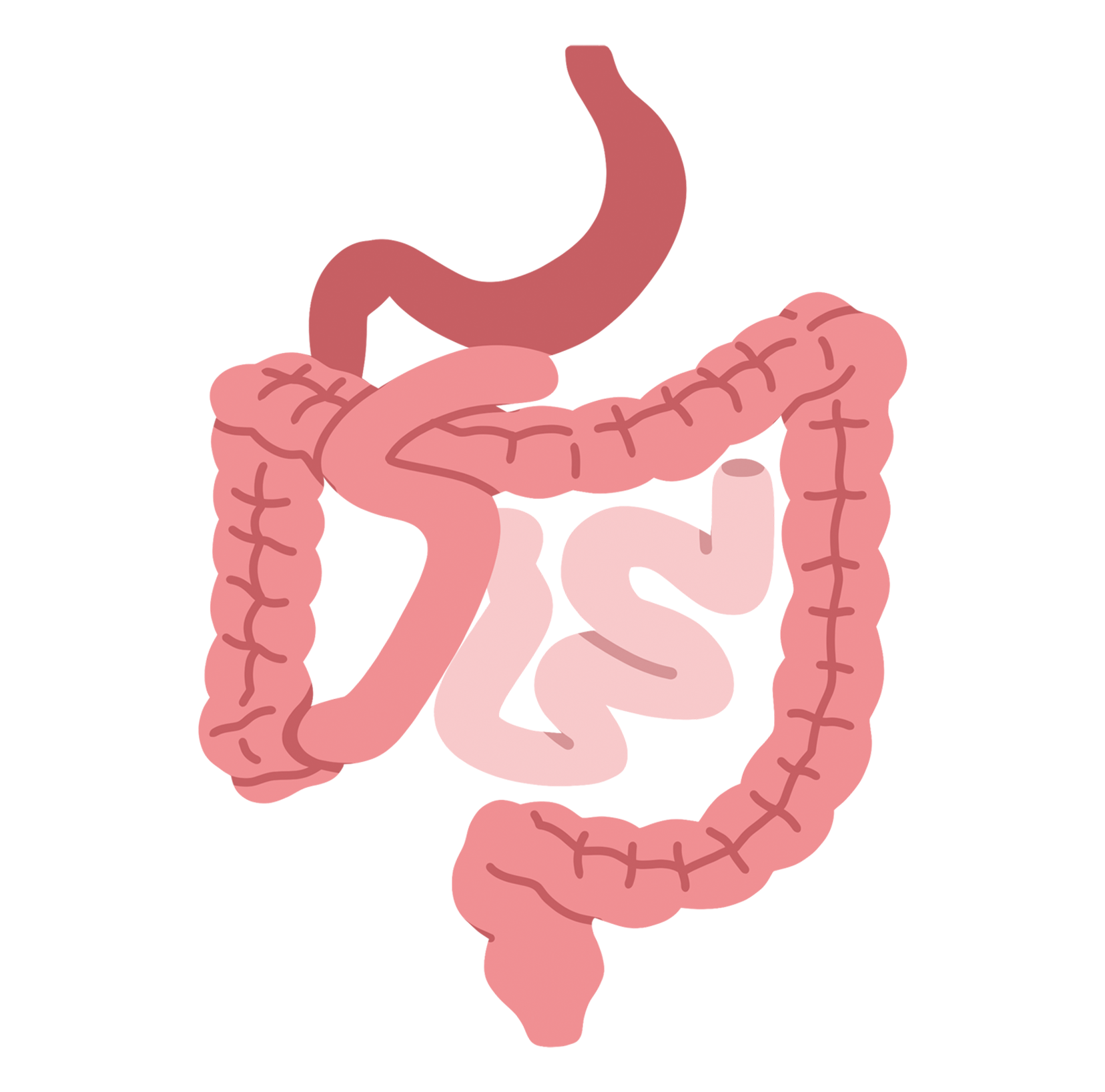
Transit bipartition is a surgical method used to treat obesity. This procedure aims to reduce the patient’s eating capacity and alter nutrient absorption through changes to the stomach and small intestine. During surgery, the upper part of the stomach is cut to create a smaller stomach pouch. This new gastric pouch makes a direct connection with the small intestine to speed up the passage of food.
Transit bipartition is generally preferred as a revision surgery for patients who have undergone bariatric surgery but have not achieved the desired results. It can also be an effective option in the management of obesity-related diseases such as type 2 diabetes in individuals with high body mass index (BMI). The advantages of this method include rapid weight loss and improved metabolism.
However, transit bipartition also has some risks and side effects. Problems such as changes in eating habits and vitamin/mineral deficiencies may occur after surgery. Therefore, a detailed evaluation and expert guidance is necessary before and after surgery.
Transit bipartition is a procedure performed as part of bariatric surgery and is usually performed with closed surgery. This procedure aims to reduce the size of the stomach and change the connection with the small intestine, promoting weight loss. Here are the stages of transit bipartition:
Transit bipartition offers many advantages as an effective surgical method in the treatment of obesity. Here are the main benefits of this method:
Risks and Side Effects of Transit Bipartition
Transit bipartition is an innovative procedure used in obesity and metabolic surgery. However, as with any surgical procedure, this operation has some risks and side effects. Here are the main points to know about this procedure:
Transit bipartition surgery is an effective surgical method in the fight against obesity and metabolic diseases. However, this procedure is not suitable for every patient. Here are the details on which patient groups this surgery is recommended for:
1. Patients with Extreme Obesity
Type 2 Diabetes Patients
3. Metabolic Syndrome Patients
4. Physically Suitable for Surgical Procedure
5. Previous Unsuccessful Bariatric Surgery
6. Those with Suitable Psychological and Social Status
The recovery process after transit bipartition surgery can vary depending on the patient’s general health condition, preoperative preparations and postoperative care. This process usually begins with patients staying in the hospital for a few days. During this period, doctors perform regular check-ups to manage the patient’s post-operative pain, monitor body functions and prevent possible complications.
Patients start to eat a liquid diet in the first days after surgery. The transition to solid foods is gradual so that the intestines and stomach get used to the new order. The nutrition program is prepared by doctors and dietitians specifically for the patient. In the first weeks, it is recommended to consume small portions frequently and to pay attention to a protein-based diet.
It is normal to have low energy levels after surgery. However, patients are encouraged to start moving as early as possible as part of recovery. Slow walks increase blood circulation, contributing to the healing process and reducing the risk of clot formation after surgery.
Regular medical check-ups are very important during the recovery process. During these check-ups, factors such as the condition of the intestinal connections after surgery, vitamin and mineral deficiencies in the body are evaluated in detail. Some patients may need supplements such as vitamin B12, iron and calcium.
Patients can usually return to normal activities within a few weeks; however, avoidance of heavy physical activity is recommended. During this period, it is critical for the patient to make permanent lifestyle changes in order to achieve long-term weight loss and metabolic recovery goals. A balanced diet, regular exercise and adherence to the doctor’s instructions are the cornerstones of a healthy recovery.
Transit bipartition surgery requires not only a physical change, but also a fundamental lifestyle change to support the achievement of long-term health goals. In the postoperative period, it is important to reshape both dietary habits and daily life routine.
The first postoperative period usually starts with a liquid diet. As the patients’ digestive systems adapt to the new structure, soft foods and then solid foods are introduced. This process usually takes 4 to 6 weeks and is planned in line with the recommendations of the doctor and dietitian. In the first phase, protein intake is a priority, as protein helps to maintain muscle mass and speeds up the healing process. In addition, eating small portions frequently and chewing slowly are essential for the healthy functioning of the digestive system.
Vitamin and mineral supplements are an integral part of the nutritional routine after transit bipartition surgery. In particular, the risk of vitamin B12, iron, calcium and vitamin D deficiency should be monitored regularly and supplements should be taken when necessary. In addition, water consumption ensures that the body remains sufficiently hydrated and supports metabolism.
Lifestyle changes play a critical role in sustaining the success of the surgery in the long term. Patients should make regular exercise a part of their daily life. Light walks are recommended initially, but more intense activities can be added as recovery progresses. Regular sleep habits, stress management and a healthy mood are also important elements of lifestyle changes.
You should also limit alcohol consumption and avoid carbonated drinks after surgery. Such drinks can damage the stomach or cause discomfort. It is recommended to avoid processed foods and to eat a balanced diet including vegetables, fruits, whole grains and healthy fats.
Finally, regular medical check-ups are of great importance for patients to prevent possible postoperative complications and to optimize their nutrition and lifestyle plan. In this process, adapting to the changes with professional support will be beneficial for both physical and mental health.
Transit bipartition is an effective surgical method in the treatment of obesity, a procedure that provides weight loss and promotes metabolic health improvement. The impact of this surgery on weight loss may vary depending on the patient’s starting weight, compliance with lifestyle changes and eating habits.
In general, after transit bipartition surgery, patients are expected to lose 60% to 80% of their excess weight within the first year. For example, an individual who is 50 kilograms overweight may experience a weight loss of 30 to 40 kilograms by the end of the first year. This process depends on how well the patient adheres to their diet, regular exercise and general health recommendations.
Transit bipartition promotes weight loss not only through the surgical procedure but also through hormonal changes in the body. After surgery, factors such as decreased appetite, increased satiety and decreased insulin resistance accelerate weight loss. Since part of the intestines is not responsible for food absorption, the amount of calories ingested is also reduced, which promotes weight loss.
In the first 6 months, patients usually experience faster weight loss. This is a period during which the body adapts to the new metabolic pattern and sheds excess weight quickly. However, by the end of 1 year, weight loss usually slows down and becomes more stable. At this point, it is important for patients to develop healthy eating habits and exercise regularly for long-term success.
Postoperative weight loss is closely linked to the patient’s lifestyle changes and diet. Transit bipartition not only promotes weight loss, but also contributes to the improvement of obesity-related health problems such as Type 2 diabetes, hypertension and high cholesterol.
In conclusion, while weight loss with transit bipartition surgery is often effective, success depends on how the patient adapts to the postoperative process and how much they adhere to lifestyle changes. Weight loss can start quickly but becomes more stable over time and requires a persistent approach for long-term health improvement.
Although transit bipartition is an effective surgical method in the treatment of obesity, the cost of this procedure varies depending on many factors. Transit bipartition prices may vary depending on factors such as the geographical region where the patient is located, the surgeon’s experience, the quality standards of the hospital and the medical equipment used. However, the cost of this operation can often be high.
Bariatric surgery offers many different methods to combat excess weight. Transit bipartition is one of these methods and there are some distinct differences when compared to other bariatric surgery options. Each surgical intervention can yield different results depending on the patients’ body structure, health history and weight loss goals. Here are the main differences between transit bipartition and other bariatric surgery methods:
Transit bipartition is a procedure in which part of the stomach is bypassed. This procedure restricts the absorption of nutrients by bypassing part of the digestive tract. In contrast, other bariatric surgery methods offer different approaches:
An important advantage of transit bipartition is that it not only shrinks the stomach but also promotes weight loss by inducing metabolic changes. Hormonal changes after surgery, such as decreased appetite, increased satiety and decreased insulin resistance, may promote more effective and long-lasting weight loss than other surgical methods.
Each of the other bariatric surgery methods has its own advantages and potential disadvantages. For example, gastric banding is a less invasive procedure, while transit bipartition offers a more permanent and effective solution. While gastric bypass provides effective weight loss similar to transit bipartition, it may carry a higher risk of complications and the recovery period may be longer.
Although transit bipartition is an effective surgical method in the treatment of obesity, exercise and physical activity play a very important role in the successful weight loss process. Starting exercise and physical activity in the postoperative period can accelerate the healing process, support weight loss and have positive effects on overall health. However, creating the right exercise plan is of great importance for the patient to benefit without risking his/her health.
Before starting an exercise program after transit bipartition, the patient’s recovery process and their doctor’s approval should be taken into consideration. Usually, patients are limited to only light activities for the first few weeks after the operation. Within 2-4 weeks after surgery, one can slowly transition to more active exercises. However, every patient is different, so it is necessary to seek medical advice before starting an exercise program.
The first few weeks are important for rest and recovery after surgery. However, low-intensity activities such as light walking are recommended during this period. Such activities can speed up recovery and prevent muscle loss by increasing blood circulation. It is also important not to strain joints and muscles during this period.
After 1-2 months after surgery, patients are usually able to move more. Moderate exercise can help increase the body’s strength and support weight loss. Aerobic exercises such as slow jogging, cycling, swimming can be done during this period. This type of exercise accelerates weight loss by increasing calorie burning and supports metabolism.
Between 3-6 months after transit bipartition, patients can usually transition to more intense exercises. At this stage, weight training and strength training can be started. Strength exercises help the body burn more calories by increasing muscle mass. However, it is important to use correct form and technique when doing this type of exercise. It is also necessary to make sure that the body is adapted to high-intensity training before switching to it.
Ideally, it is recommended to exercise at least 3-5 days a week for 30-60 minutes each. The frequency and duration of exercises should be adjusted according to personal goals and overall health. Regularizing exercise is important for sustaining long-term weight loss.
Paying attention to a healthy and balanced diet while exercising is critical for the success of the weight loss process. The postoperative diet should also be compatible with exercise. Protein-rich foods support muscle growth, while healthy fats and complex carbohydrates meet the body’s energy needs.
Although transit bipartition is an effective surgical method in the treatment of obesity, it may carry some risks and complications as with any surgical procedure. Most of these complications can be prevented or detected and treated early. Detailed information on possible complications that may occur after transit bipartition and how to prevent these complications are presented below.
1. Risk of Infection
As with any surgical procedure, there is a risk of infection after transit bipartition. Infections at the surgical site can delay the patient’s recovery and lead to serious health problems.
How to Prevent?
2. Bleeding
Bleeding is one of the most common complications after surgical procedures. Stitches between the stomach and intestines can open or blood vessels can be damaged, which increases the risk of bleeding.
How to Prevent?
3. Intestinal Obstruction
Some patients may experience intestinal obstruction after transit bipartition. This is a complication that can occur as a result of the re-routing of the stomach and intestines. Intestinal obstruction can present with symptoms such as swelling, pain and vomiting.
How to Prevent?
4. Nutrient Absorption Disorders
Because the transit bipartition procedure bypasses part of the intestines, the absorption of nutrients can be reduced. This can lead to vitamin and mineral deficiencies, which can cause serious health problems in the long term.
How to Prevent?
5. Dumping Syndrome
Dumping syndrome occurs when food that passes through the stomach quickly after a meal reaches the intestines. This causes symptoms such as nausea, vomiting, sweating and dizziness.
How to Prevent?
6. Dehydration
Failure to ensure adequate fluid intake after surgery can lead to dehydration (dehydration). This can cause problems such as weakness, dizziness and kidney dysfunction.
How to Prevent?
7. Decreased Appetite and Psychological Effects
Bariatric surgery can reduce appetite by causing hormonal changes. However, this can lead to psychological problems or eating disorders in some patients. This can be particularly challenging for patients with emotional attachments to food.
How to Prevent?
Transit bipartition has emerged as one of the effective surgical methods preferred in the treatment of obesity in recent years. Since this surgery is performed to accelerate weight loss and improve quality of life, patients generally achieve positive results. However, as with any surgical procedure, patient experiences may differ after transit bipartition. Here are some comments and experiences shared by patients about transit bipartition.
1. Weight Loss and Physical Change
Many patients report rapid weight loss after transit bipartition. Usually, significant weight loss can be seen in the first 6-12 months. Patients who experience weight loss of 20-30 kg within a few months after surgery report that their quality of life has improved and they feel more energetic. In addition to weight loss, a significant improvement in body contours can also be observed.
Patient Comments:
2. Improvement in Quality of Life
Although transit bipartitioning provides weight loss, it is also a process that improves the quality of life for many patients. Patients with severe obesity benefit from being able to move more easily, breathing becomes easier and overall health improves. Many also report psychological relief.
Patient Comments:
3. Decreased appetite and feeding difficulties
Some patients report a loss of appetite after surgery and have to make do with small portions. This is common after bariatric surgery. However, some patients report that they have difficulties with nutrition and at times do not get enough nutrients. In this case, it is very important to seek the support of a nutritionist.
Patient Comments:
4. Postoperative Recovery and Exercise
The recovery process can sometimes be challenging for patients. However, most patients state that they start to return to their daily activities within a few weeks after surgery. The process, which starts with light walks and low-intensity exercises, can be supported with more intense activities over time. Some patients state that regular exercise after surgery accelerates weight loss and increases muscle mass.
Patient Comments:
5. Complications and Challenges
As with any surgical procedure, transit bipartition can lead to some complications. The most common complications include infection, bleeding, dumping syndrome (stomach and intestinal problems due to rapid postprandial transit) and nutrient malabsorption. However, most of these complications can be treated in a timely manner according to the doctor’s recommendations. Many patients report that these complications are temporary and that they feel better after the course of treatment.
Patient Comments:
6. Psychological Effects and Support
Receiving psychological support after surgery is of great importance for patients to overcome this process in a healthier way. Many patients may have psychological difficulties as they experience major changes in their bodies after surgery. However, with psychological support and the right approach, most patients successfully overcome this process.
Patient Comments:
Transit bipartition is a highly effective surgical method in the treatment of obesity. However, in order to achieve a successful result, there are important steps to be considered both before and after surgery. Here are the things to do before and after transit bipartition:
What to do before Transit Bipartition:
What to do after Transit Bipartition:
Long-term Outcomes and Success Rate of Transit Bipartition
Transit bipartition is one of the bariatric surgery options and an effective method to achieve long-term weight loss and healthy lifestyle goals. However, as with any surgical procedure, the long-term results and success rate of transit bipartition may vary depending on several factors. In this article, we will discuss the long-term effects, success rates and possible outcomes of transit bipartition in detail.
Long-Term Weight Loss and Health Outcomes
Transit bipartition is a surgical procedure in which patients usually experience rapid weight loss. Significant weight loss can be seen in the first 6-12 months and patients experience a loss of approximately 60-80% of body weight after surgery. However, in the long term, the continuation and sustainability of weight loss depends on the individual’s lifestyle changes and eating habits.
Although rapid weight loss is experienced in the first 1-2 years, some patients may not be able to maintain weight loss or may experience weight gain after the third year. This varies depending on postoperative eating habits. A healthy diet and regular exercise are critical factors to ensure long-term weight control.
Long-Term Weight Loss Results:
Metabolic Recovery and Health Benefits
Transit bipartition has the potential to improve many metabolic diseases associated with obesity. Conditions such as type 2 diabetes, hypertension, sleep apnea, high cholesterol and fatty liver disease can improve significantly after surgery. A large proportion of patients can reduce or completely stop taking medication for these conditions after transit bipartition.
Metabolic Recovery:
The success rate of transit bipartition is generally considered high. According to various clinical studies, the long-term success rate is around 70-80%. This rate may vary depending on patient participation, dietary habits, physical activity level and medical follow-up. To achieve a successful outcome, patients need to have regular check-ups with their doctors and stick to lifestyle changes in the period after surgery.
The success rate is also related to complication rates. Transit bipartition is generally a safe procedure, but complications such as infection, gastric problems, dumping syndrome and nutrient absorption problems can rarely occur. Therefore, factors that increase the success rate include proper nutrition, exercise and psychological support after surgery.
As with any surgical intervention, transit bipartition has a risk of long-term complications. These can generally be listed as follows:
Weight regain: In the long term, some patients may gain weight due to improper diet and lack of exercise. Therefore, lifestyle changes are important to maintain successful results.
Fulya, Vital Fulya Plaza, Hakkı Yeten Cd. No:23/31, 34365 Şişli/Istanbul
+90 532 469 46 50



© 2025 / Dr. İsmail Çalıkoğlu