


About Treatment
-
Average Length of Stay
-
Length of Hospitalization
15 minutes
Implementation Duration
-
Anesthesia Application
3 Days
Recovery Time
7/24
Communication Process
Average Length of Stay
Length of Hospitalization
Implementation Duration
Anesthesia Application
Recovery Time
Communication Process
The swallowable gastric balloon (Allurion gastric balloon) is an innovative weight loss method developed for those who want to lose weight without endoscopy or surgery. In recent years, it has emerged as an important alternative in the treatment of obesity. Without the need for procedures such as endoscopy and anesthesia used in traditional gastric balloon applications, this balloon, which is swallowed by the patient and placed in the stomach, provides effective support to the weight loss process. So, what is a swallowable gastric balloon, how is it applied and who is it suitable for?
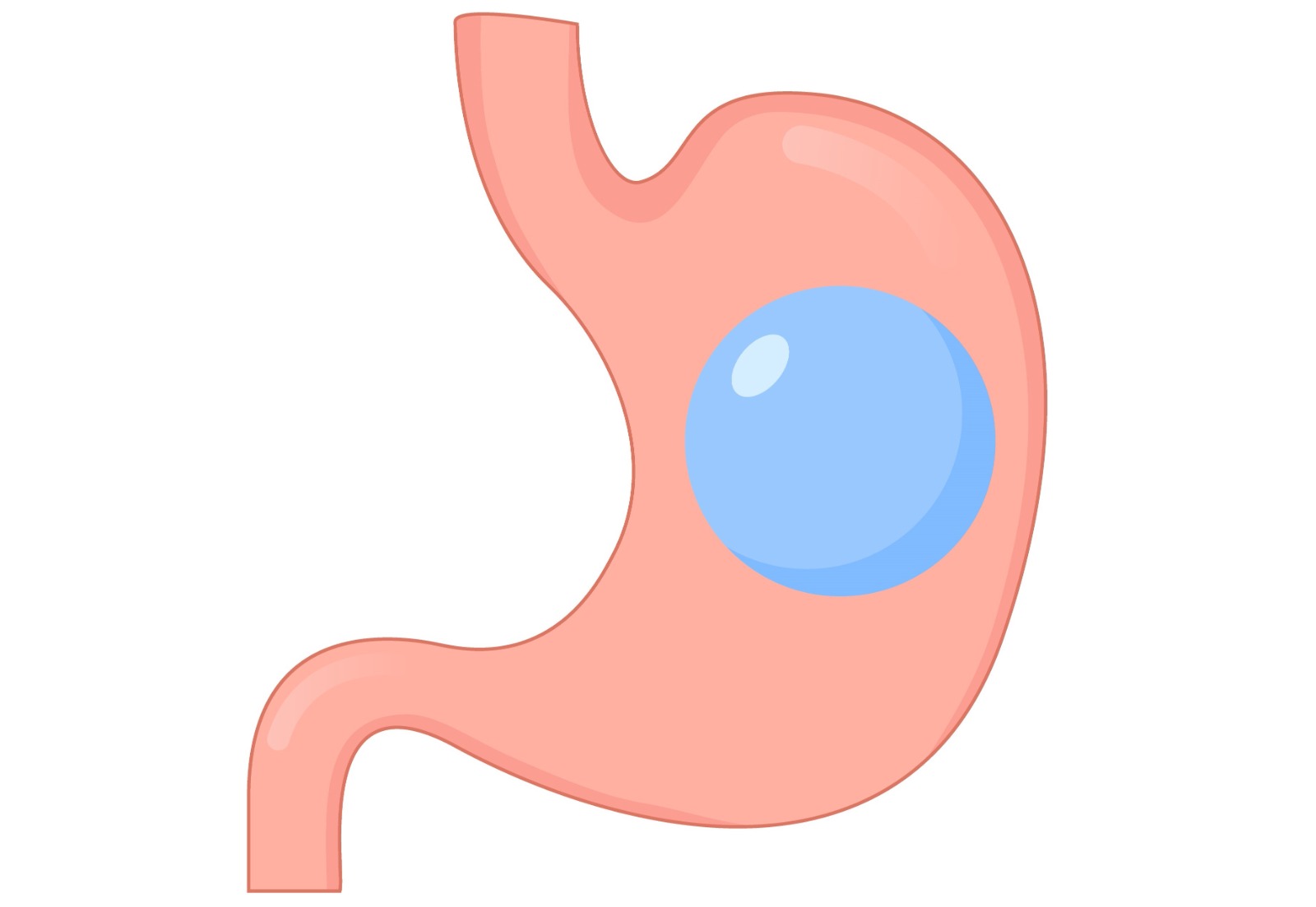
Unlike other gastric balloons, the swallowable gastric balloon is a balloon designed in the form of a capsule that the patient can easily swallow, which does not require surgical intervention and endoscopy. After reaching the stomach, this balloon is filled with liquid and creates a feeling of satiety by covering a certain part of the stomach. This way, the patient feels full for longer, even if they eat less food. This method is an effective option, especially for people who have difficulty losing weight through diet and exercise or who are looking for an alternative to surgical interventions.
Once placed in the stomach, the Allurion gastric balloon stays there for about 4 months. During this time, regular doctor and dietitian checks are carried out to support weight loss. After a certain period of time, the balloon deflates spontaneously and is naturally excreted by the body. This makes the method very comfortable and easy.
The application of the swallowable gastric balloon is a very simple and painless process. The patient swallows the capsule-shaped balloon with water. To confirm whether the balloon has reached the stomach, the doctor checks with an X-ray device. Once the balloon is in the stomach, it is filled with fluid using a thin catheter. When this is complete, the catheter is removed and the balloon remains free in the stomach. The entire procedure takes 15-20 minutes and no anesthesia or surgical intervention is required. This allows patients to quickly return to their daily lives.
Once the gastric balloon is placed in the stomach, it expands in the stomach, restricting food intake. The feeling of satiety increases, so the patient eats less. During the weight loss process, it is of great importance that the patient gains regular eating habits and follows the dietitian’s instructions. After the application, the patient is followed up by the doctor and dietitian and intervened when necessary. At the end of 16 weeks, the balloon is naturally excreted from the body.
The swallowable gastric balloon is suitable for individuals with a body mass index (BMI) above 27 and who have difficulty losing weight. This method can be an ideal option for those who want to lose weight without resorting to surgery. Especially people with obesity-related health problems such as diabetes, high blood pressure and sleep apnea can both lose weight and improve their general health with this method.
However, since each individual’s health condition is different, a detailed medical evaluation should be performed before swallowable gastric ballooning. This method may not be suitable for people with intestinal problems such as stomach ulcers, colitis or those who have had previous stomach surgery. Likewise, swallowable gastric balloon is not recommended for women who are pregnant or breastfeeding.
The major advantage of the swallowable gastric balloon is that it does not require endoscopy or anesthesia. This allows the procedure to be performed more quickly and easily. Patients can return to their daily lives shortly after the balloon is inserted. In addition, the natural elimination of the balloon from the body means that no additional procedure is required to remove it.
This method, when supported by diet and exercise, can help patients lose 10-15% of their weight within 4 months. The balloon restricts food consumption by increasing the feeling of satiety, but also encourages a healthy eating plan and lifestyle changes. In this way, the swallowable gastric balloon contributes to both weight loss and the development of healthy living habits in the long term.
As with any medical procedure, the swallowable gastric balloon may have some side effects. In the first few days, side effects such as nausea, cramps and mild pain may occur. However, these symptoms are usually short-lived and can be controlled with medication prescribed by the doctor. The majority of patients complete the process without any problems after these mild side effects.
The swallowable gastric balloon is a low-risk method for healthy and controlled weight loss. However, patient cooperation is necessary for the balloon to be effective. After the balloon is inserted, a healthy diet plan should be followed and regular exercise should be done.
Swallowable gastric balloon is an effective and reliable treatment option for people who want to lose weight but avoid surgical intervention. This method, which attracts attention with its advantages such as being applied without the need for surgical intervention, providing effective results in a short time and naturally excreted from the body, offers an important alternative in the treatment of obesity. However, since each patient’s situation is different, it is important to consult a specialist about the suitability of this method. Weight loss achieved with the swallowable gastric balloon, when supported by healthy lifestyle habits, can help patients achieve lasting success in the long term.
The swallowable gastric balloon is one of the effective methods to combat obesity without the need for surgical intervention. This modern treatment method promotes weight loss by allowing the patient to experience a feeling of satiety through a balloon placed in the stomach. The most important advantage of the swallowable gastric balloon is that it does not require endoscopy or anesthesia compared to other gastric balloons. So, how is the swallowable gastric balloon applied? In this article, you can find the steps and important details about the process.
The swallowable gastric balloon is a very easy and comfortable procedure for patients. No surgical intervention or lengthy preparations are required during the procedure. The steps of the method can be listed as follows:
1. Preparation and Counseling Phase
Before the swallowable gastric balloon application, the general health status of the patient is carefully evaluated by the doctor. At this stage, a detailed examination of the patient’s medical history, weight loss goals and whether the gastric balloon is suitable. This treatment method may not be suitable for patients with stomach ulcers, high-dose blood thinners, a history of stomach surgery or serious intestinal problems.
In addition, during this evaluation, the patient is also informed about what kind of diet program to follow after the balloon application by meeting with the dietician and nutritionist. Because it is important to follow a balanced diet and regular exercise program for the gastric balloon to be effective.
2. Swallowing the Balloon
The gastric balloon comes in a special capsule. This capsule is connected to a thin catheter (tube) and the patient swallows it with water. After the capsule reaches the stomach, the doctor checks the correct position of the capsule using X-rays. This stage is very important because the balloon must be positioned correctly in the stomach.
Swallowing is usually an easy and painless process. The vast majority of patients complete this stage without any difficulty. One of the biggest advantages of the swallowable gastric balloon is that this stage can be completed in a short time.
3. Inflating the Balloon
Once the balloon is confirmed to be in the stomach, the doctor inflates the balloon through a thin catheter attached to the capsule. The balloon is filled with sterile liquid and the balloon expands inside the stomach, reaching a certain volume. The patient does not feel any discomfort during this procedure because the balloon is slowly inflated inside the stomach and the catheter is removed when the process is complete. The procedure usually takes 15-20 minutes and does not require anesthesia.
Once inflated, the balloon takes up space in the stomach and creates a feeling of fullness by filling a certain part of the stomach. In this way, the patient feels full for a longer period of time even though he/she eats less food and significantly reduces his/her daily calorie intake.
4. Control and Follow-up Process
After the swallowable gastric balloon is applied, the patient starts the weight loss process under the supervision of a doctor and dietician. In order for the gastric balloon to be effective, regular controls are performed and the patient’s eating habits are followed by the dietician. Side effects such as mild nausea and cramps may be experienced in the first days, but this usually passes within a few days. Medications prescribed by the doctor can help alleviate these symptoms.
Patients support the weight loss process by gaining healthy eating habits with the gastric balloon. At this stage, the dietician creates a balanced and nutritious diet program by keeping calorie intake under control. At the same time, regular exercise accelerates weight loss.
5. Removal of the Balloon from the Body
The swallowable gastric balloon stays in the stomach for about 16 weeks. At the end of this time, the fluid in the balloon slowly drains out and the balloon deflates and is naturally excreted from the body. No surgery or endoscopy is required to remove the balloon from the body. This makes the procedure more comfortable and patient-friendly.
After the balloon is removed from the body, the patient will meet with the doctor again to evaluate the process. It is recommended to maintain healthy lifestyle habits after balloon removal. An ingestible gastric balloon can be helpful in achieving long-term weight loss, but a healthy diet and regular exercise program should be maintained for permanent weight control.
The ingestible gastric balloon has many advantages over other weight loss methods. Here are some of these advantages:
– No Surgical Intervention Required: The swallowable gastric balloon can be placed in the stomach without surgical procedures such as endoscopy or anesthesia. This makes the procedure faster and more comfortable.
– Naturally Excreted: After being in the stomach for a certain period of time, the balloon deflates spontaneously and is eliminated from the body naturally, so there is no need for an intervention to remove it.
– Effective in a Short Time: The application time of the balloon is very short and patients can quickly return to their daily lives after the procedure.
– Side effects are mild: Side effects after the swallowable gastric balloon procedure are usually mild and resolve within a few days.
Swallowable gastric balloon is an effective and reliable treatment method for patients who want to lose weight but avoid surgical intervention. This method, which attracts attention with its advantages such as easy applicability, effective results in a short time and natural elimination from the body, offers an important alternative in the treatment of obesity. However, since each patient’s situation is different, it is absolutely necessary to consult a specialist about the suitability of this method. The effective application of the swallowable gastric balloon gives successful results when supported by diet and exercise.
Although the swallowable gastric balloon is noted as a non-surgical and endoscopy-free weight loss method, as with any medical procedure, it may involve some risks and side effects. Although the swallowable gastric balloon (Allurion gastric balloon) is generally considered a safe and effective method, it is important to be informed about the potential risks and side effects. The risks and possible side effects of the swallowable gastric balloon will now be discussed in detail.
1. Side Effects in the First Days
In the first few days after an ingestible gastric balloon is inserted, some patients may experience side effects such as nausea, vomiting, stomach cramps and discomfort. These symptoms are related to the body getting used to the newly inserted balloon in the stomach. Since this balloon, which suddenly restricts the volume of the stomach, stretches the stomach walls, it is natural for such discomfort to occur.
These side effects usually resolve spontaneously within a few days and can be controlled with gastroprotective or anti-nausea medication prescribed by the doctor. However, the discomfort experienced during this period can be challenging for some patients and should be monitored carefully.
2. Stomach and Intestinal Problems
After placement of the swallowable gastric balloon in the stomach, some stomach and intestinal problems may occur, although this is rare. The risk of such complications is particularly high in patients with pre-existing stomach conditions such as gastric ulcers or gastritis. Gastric irritation can occur when stomach acid increases and the balloon presses on the stomach walls. For this reason, it is recommended that patients with stomach disorders consult their doctor and undergo the necessary controls before swallowable gastric balloon application.
In the intestines, in rare cases, there is a risk of obstruction during the natural elimination of the balloon from the body. Such complications can occur if the balloon is not emptied properly or not disposed of in time. For this reason, the duration of the balloon’s stay in the stomach should be closely monitored and doctor visits should not be interrupted.
3. Premature Emptying of the Balloon
One of the rare risks of an ingestible gastric balloon is premature deflation or emptying of the balloon. This can lead to the balloon being expelled by the body earlier than expected or falling into the intestines. A prematurely deflated balloon may increase the risk of intestinal obstruction, but there is insufficient evidence as this is a rare risk. Modern swallowable gastric balloons generally have high safety standards, so this risk is very low.
If the balloon empties earlier than expected, the patient may notice a blue or green color in the stool. This color change indicates that the blue methylene blue liquid inside the balloon has leaked out. In this case, it is necessary to consult a doctor immediately.
4. Insufficient Weight Loss
For the swallowable gastric balloon to be effective, patients need to change their diet and lifestyle. However, some patients may not achieve the expected weight loss if they do not diet and exercise sufficiently during the use of the balloon. This may limit the effectiveness of the balloon and cause frustration in the patient.
The gastric balloon alone is not a miraculous solution; it is important that patients change their eating habits and transition to a healthier lifestyle during this process. Therefore, dietitian and doctor controls should be continued regularly for the balloon to be effective.
5. Psychological Effects
In some patients, the use of an ingestible gastric balloon can have psychological effects. The constant feeling of fullness and restriction of food intake can cause stress or anxiety in some individuals. This may become more pronounced, especially in people who have problems with eating habits. It is recommended that patients receive both physical and psychological support during this process. It is possible to manage the process in a healthier way by working on mood with a psychologist, if necessary, in follow-ups carried out with a dietician.
6. Dehydration Risk
While the gastric balloon creates a feeling of fullness by restricting food intake, the risk of dehydration may arise if patients do not consume enough fluids. Especially in the first days after the balloon insertion, adequate fluid intake may be difficult due to nausea and discomfort. Therefore, it is of great importance that patients consume adequate amounts of water and regulate their fluid intake after the procedure. In such cases, intravenous support serums are administered when necessary to increase the resistance of the patients and improve their symptoms.
Although the swallowable gastric balloon stands out as an effective weight loss method that does not require surgical intervention, it may involve some risks and side effects. Side effects such as nausea, stomach cramps, stomach and intestinal problems are usually short-term and can be managed under the supervision of a doctor. However, conditions such as premature emptying of the balloon, insufficient weight loss and dehydration should be monitored more carefully. It is important for patients to discuss the risks in detail with a specialist before using this method.
The swallowable gastric balloon (Allurion gastric balloon) is an innovative weight loss method developed for individuals who want to lose weight without surgical intervention. The gastric balloon helps patients lose weight faster and more effectively by limiting their food intake. However, not every patient may be suitable for this method. Understanding who is suitable for the swallowable gastric balloon is very important for a successful treatment process. This article will provide detailed information on who is suitable for the swallowable gastric balloon.
1. Individuals with a Body Mass Index (BMI) of 27 and above
An ingestible gastric balloon is a treatment usually recommended for people with a body mass index (BMI) of 27 and above, i.e. overweight or obese. BMI is calculated as the ratio of a person’s weight to their height and is commonly used to determine whether they are overweight or obese. People with a BMI over 27 can often find it difficult to lose weight through diet and exercise. In this case, an ingestible gastric balloon can be an effective tool to accelerate and support the weight loss process.
This method is particularly suitable for those who want to lose weight without resorting to surgical interventions. However, patients’ general health status and weight loss goals should also be taken into consideration. The swallowable gastric balloon can also provide significant weight loss for individuals with obesity-related health problems and improve their overall health.
2. Those who cannot lose weight with diet and exercise
An ingestible gastric balloon is a suitable option for individuals who have difficulty losing weight despite diet and exercise. Some people may have difficulty losing weight even if they limit their calorie intake and exercise regularly. This can often be due to various reasons such as metabolic rate, genetic factors or lifestyle. An ingestible gastric balloon increases the feeling of fullness, allowing these people to eat less and accelerating weight loss.
It is important that patients who choose this method regularly collaborate with a dietitian and doctor during the weight loss process. An ingestible gastric balloon alone may not be enough; it should be supported by diet and lifestyle changes.
3. Seeking an Alternative to Surgical Intervention
While surgical weight loss methods (e.g. gastric sleeve surgery) can be very effective for some people, not all patients may be suitable for such surgical interventions. Many patients may avoid surgical methods due to fear of surgery, long recovery time and potential complications. The swallowable gastric balloon is an ideal alternative for such individuals as a weight loss method that does not require surgical intervention.
No anesthesia or endoscopy is required to insert the balloon. The patient swallows the capsule-shaped balloon with water and the balloon is inflated with liquid after reaching the stomach. This simple procedure offers a great advantage over surgical alternatives by providing effective weight loss without the need for surgery.
4. People with Obesity Related Health Problems
Obesity can lead to many serious health problems such as diabetes, high blood pressure, heart disease, sleep apnea and joint problems. An ingestible gastric balloon is a suitable treatment for individuals who suffer from such health problems due to excess weight. Weight loss can help to greatly improve these health problems and improve the person’s overall quality of life.
Especially individuals with metabolic diseases such as diabetes can lose weight and control their blood sugar levels thanks to the swallowable gastric balloon. However, it is important for such patients to make a detailed evaluation with their doctor before the balloon application and find out whether the method is suitable for them.
5. Those who want to lose weight fast
The ingestible gastric balloon is generally suitable for people who want to achieve fast and effective weight loss. The balloon stays in the stomach for about 4 months, during which time patients can lose a significant amount of weight in combination with diet and exercise. Patients are expected to lose 10-15% of their weight. This can be an attractive result for people with a goal of rapid weight loss.
Supported by a healthy diet and regular physical activity, balloon therapy offers an important opportunity for long-term weight control. However, it is also critical that patients maintain their newly acquired healthy habits after the rapid weight loss process.
6. People who are not pregnant and do not have a stomach disorder
The ingestible gastric balloon is suitable for women who are not pregnant or breastfeeding. It is not recommended to use a gastric balloon during pregnancy or breastfeeding, as weight loss should not be targeted during this period. Likewise, this method may not be suitable for people with stomach ulcers, gastritis or previous stomach surgery. Individuals with such conditions should undergo a detailed health screening before the gastric balloon procedure.
Conclusion
Swallowable gastric balloon is an ideal weight loss method for individuals who struggle with excess weight and want to avoid surgical intervention. Individuals with a BMI of 27 and above, who cannot lose weight with diet and exercise or who have health problems related to obesity may consider this method. However, since each individual’s health condition is different, it is important to consult a specialist about the suitability of an ingestible gastric balloon.
Swallowable gastric balloon has attracted great interest in recent years as a weight loss method that does not require surgical intervention and without endoscopy. This method, which offers an effective and safe alternative especially for individuals who cannot lose weight with diet and exercise or who are afraid of surgical methods, creates a feeling of satiety by reducing stomach volume and thus helps patients to eat less. So, how does the swallowable gastric balloon application process and procedure work? Below we provide step-by-step details of this process.
1. Preliminary Assessment and Counseling
Before starting the swallowable gastric balloon procedure, patients are assessed for suitability. At this stage, the patient’s body mass index (BMI) and general health status are examined. The swallowable gastric balloon is generally suitable for individuals with a BMI above 27 and who have difficulty losing weight. However, a detailed medical examination is necessary to determine whether this method is suitable for each patient.
In addition, before the gastric balloon application, the patient is informed about how the process will work, possible risks and side effects. It is emphasized that the patient should follow a healthy nutrition program and receive dietitian support in order for the application process to be successful. At this stage, the patient’s questions are answered and expectations are clarified.
2. Swallowing a Gastric Balloon
One of the biggest advantages of the swallowable gastric balloon is that it does not require surgical intervention or endoscopy. The procedure is quite simple and painless. The balloon is given to the patient in the form of a capsule, which is connected to a thin catheter (tube). The patient swallows this capsule easily with the help of water. When the capsule reaches the stomach, the doctor takes an X-ray to check whether the balloon is in the correct position.
If the balloon is positioned correctly, the balloon is filled with fluid through the catheter. The balloon, which is usually inflated with up to 550 ml of fluid, expands in the stomach and occupies a certain volume, which creates a feeling of fullness in the patient. When the procedure is complete, the catheter is removed and the balloon remains free in the stomach.
3. First Days: Adaptation Process
The first few days after the swallowable gastric balloon is administered is the process of patients getting used to the gastric balloon. During this period, some patients may experience nausea, vomiting, cramps and mild stomach discomfort. These side effects are related to the body’s adaptation to the gastric balloon and usually go away on their own within a few days. Doctors may prescribe stomach protectors and anti-nausea medications to help patients get through this period comfortably.
In the first days, patients are advised to follow a liquid-based diet and avoid solid foods. Then, under the guidance of the doctor and dietitian, the normal diet is gradually restored.
4. Regular Follow-up and Controls
After the gastric balloon is placed in the stomach, patients should go to doctor and dietitian controls at regular intervals. This process is very important in terms of monitoring the effectiveness of the balloon and tracking the patient’s weight loss. In addition, dietitian support is provided on an ongoing basis to help patients develop healthy eating habits and optimize the weight loss process.
An ingestible gastric balloon is not a stand-alone weight loss method. It is necessary to support the patient with diet and exercise to increase weight loss. In this process, it is of great importance that patients are supported both physically and psychologically in order to achieve successful results.
5. Natural expulsion of the balloon
The swallowable gastric balloon starts to deflate spontaneously about 16 weeks (4 months) after it is placed in the stomach and is naturally excreted by the body. This process is completely painless and requires no additional intervention. As with other gastric balloons, there is no need to remove the balloon through an endoscopic procedure.
The natural elimination of the balloon from the body provides great comfort for patients. The balloon is excreted with the feces through the intestine and patients do not feel any discomfort during this process. However, it is recommended to carefully monitor the balloon expulsion process and to consult a doctor immediately in case of complications.
6. Next Steps: The Weight Maintenance Process
After the balloon leaves the stomach, the weight loss process does not end. Patients should regularly pay attention to their eating habits and maintain their physical activity to maintain a healthy lifestyle and not regain the lost weight. At this stage, dietitian support continues and a specific nutrition plan is created to ensure patients’ long-term weight control.
While the swallowable gastric balloon helps patients lose weight, it also supports them to gain healthy living habits in the long term. Therefore, it is of utmost importance that patients adhere to a healthy lifestyle after the balloon is removed.
Conclusion
Swallowable gastric balloon application is an effective method that helps patients lose weight with a simple and painless procedure. It attracts attention with its advantages such as not requiring surgical intervention and endoscopy, fast application process and natural elimination. However, in order to achieve successful results, patients should pay attention to their diet during this process and do not neglect their doctor controls. When supported by a healthy lifestyle, the swallowable gastric balloon can help patients achieve their long-term weight loss goals.
The swallowable gastric balloon (Allurion gastric balloon) is an effective method developed for those who want to lose weight without surgical intervention and endoscopy. This balloon, which is a support tool for individuals who have difficulty losing weight through diet and exercise, increases the feeling of satiety and reduces daily calorie intake by being placed in the stomach. However, each individual’s weight loss process is different and how much weight loss this method will lead to depends on many factors. So, how much weight can you lose with an ingestible gastric balloon? Here’s what you need to know about the factors that affect this process and overall weight loss rates.
1. Average Weight Loss
The swallowable gastric balloon stays in the stomach for about 4 months (16 weeks), during which time patients are expected to lose an average of 10-15% of their body weight. For example, an individual weighing 100 kg can lose between 10-15 kg during the use of the balloon. However, these values may vary depending on the person’s initial weight, eating habits, physical activity level and general health status. Studies with the gastric balloon show that individuals lose 15-18 kg on average.
2. Impact of Diet and Lifestyle Changes
An ingestible gastric balloon provides an important support in the weight loss process, but it is not a miraculous solution on its own. Effective and long-term weight loss is directly related to the changes the patient makes to their diet and lifestyle. That is, once the balloon is inserted into the stomach, it is necessary to switch to a healthy eating plan and exercise regularly.
A balanced diet under the supervision of a dietitian can increase the speed and amount of weight loss. A diet that reduces calorie intake and encourages eating foods with high nutritional value will increase the effectiveness of the gastric balloon. In addition, exercise programs aid weight loss and promote healthy living habits in the long term. Adopting an active lifestyle helps maintain weight loss both during balloon use and after balloon removal.
It will always be easier for you to get support on the right weight loss path with bariatric dietitians you can reach in obesity and metabolic surgery clinics. Working with dietitians who are experienced and focused in gastric balloon and surgical weight loss will be to your advantage in this process.
3. Weight Loss Relative to Starting Weight
One of the most important factors that determine how much weight you can lose with an ingestible gastric balloon is your starting weight. Individuals who are overweight or obese can generally experience a higher amount of weight loss. For example, an individual weighing 120 kg can lose as much as 15-18 kg with the effect of the balloon, while a person weighing 90 kg can experience a weight loss of around 9-12 kg.
However, it is important to remember that this process is not just about numbers. With weight loss, patients may also see an improvement in their general health. Obesity-related problems such as diabetes, high blood pressure and sleep apnea can be alleviated or completely eliminated thanks to weight loss. In addition, when the goal is to lose weight from body fat mass, it is much better to focus on the improvement of your general health rather than the numbers.
4. Personal Differences in the Weight Loss Process
The process of weight loss with an ingestible gastric balloon may differ in each individual. Some patients lose weight quickly during the use of the balloon, while others may experience a slower weight loss process. This is influenced by many factors such as metabolic rate, genetic factors, hormones and lifestyle.
It is important to be patient during the weight loss process and to go for regular medical check-ups. Slow weight loss does not mean that the process has failed. On the contrary, healthy and sustainable weight loss usually takes time, and taking small steps can be more effective in the long run.
When the gastric balloon is in our body, it helps us to diet. The main goal is to change our lifestyle. Long-term success will be achieved with lifestyle and habit changes to be made during the time spent with the balloon.
5. Maintaining Weight Loss After Balloon Removal
Another important advantage of the swallowable gastric balloon is that patients gain healthy living habits. As long as the balloon remains in the stomach, it supports weight loss by increasing the feeling of satiety. However, maintaining weight loss after the balloon is removed depends on patients maintaining the healthy habits they have acquired.
Continuing to receive dietitian and doctor support during this process helps to maintain weight loss. Not returning to old eating habits after the balloon is removed is the most important factor to prevent weight gain. In other words, maintaining a lifestyle with a balanced diet and regular exercise after balloon use can provide permanent weight control. In our clinic, sustainable success is aimed by providing continuous eating habits and dietary support during the 4-month stay of the swallowable gastric balloon in the stomach, as well as 2 more months of new life adaptation diet and information support.
6. Ways to Increase the Effectiveness of the Ingestible Gastric Balloon
To increase the weight loss provided by the balloon and achieve long-term results, patients can follow these steps:
– Regular Exercise: At least 150 minutes of moderate-paced exercise per week accelerates weight loss and preserves muscle mass.
– Dietitian Support: A personalized nutrition program promotes a healthy and balanced diet. Protein-heavy diets can increase the effect of the balloon.
– Regular Doctor Check-ups: Going to the doctor during the ballooning process helps prevent possible side effects and track weight loss.
– Psychological Support: Individuals who experience difficulties in the weight loss process can increase their motivation and manage their eating habits in a healthier way by receiving psychological support.
Conclusion
The ingestible gastric balloon offers an effective and safe method of weight loss when supported by diet and exercise. On average, it is possible to lose 10-15% of body weight. However, each individual’s weight loss process is different and it is of great importance that patients comply with diet, exercise and doctor controls regularly. Maintaining healthy living habits after balloon removal is the key to long-term weight control.
The swallowable gastric balloon is offered to patients as an important aid in the weight loss process. However, in order for this method to be successful and provide long-term results, it is not enough just to place the gastric balloon. It is of great importance for patients to change their eating habits and switch to a healthy lifestyle in this process. So, what kind of diet and lifestyle should be adopted after the swallowable gastric balloon? Here are the things to be considered in this process:
1. Smaller Portions, More Frequent Meals
The swallowable gastric balloon creates a feeling of fullness more quickly by reducing the volume of the stomach. Therefore, patients can feel full with smaller portions. However, it is important to manage this feeling of fullness that comes with the gastric balloon correctly. Instead of straining the stomach with large portions, it is recommended to eat in smaller portions and at frequent intervals throughout the day. In this way, it is possible to gain a regular eating habit without putting unnecessary strain on the stomach.
Consuming balanced and adequate food groups at meals allows you to progress in a healthy way in the weight loss process. It is important to maintain a balance of protein, carbohydrates and fat at each meal. A protein-heavy diet is especially beneficial to prevent muscle loss and support metabolism.
2. Eat Slowly and Chew Well
Another important point to consider after a swallowable gastric balloon is to eat slowly and chew each bite well. Because the gastric balloon takes up space in the stomach, digestion of food can be a little more difficult. Therefore, eating slowly and chewing food well makes digestion easier and does not irritate the stomach. In addition, eating slowly and chewing more helps to feel full faster and prevents overeating.
3. Adequate Fluid Consumption
It is very important to pay attention to fluid intake after an ingestible gastric balloon. Since the balloon takes up space in the stomach, patients are advised not to consume fluids at meals. Otherwise, the stomach may overfill and cause discomfort. Therefore, liquids should be consumed at least 30 minutes before or after meals. Drinking enough water during the day supports the digestive system and maintains the fluid balance the body needs.
Carbonated drinks, alcohol and excessive caffeine consumption should be avoided. These drinks can upset the stomach, increase stomach acid and negatively affect the effectiveness of the gastric balloon. In addition, these liquids contain unnecessary and high liquid calories, which can disrupt the flow of weight loss and make it difficult to change habits.
4. Protein-heavy diet
One of the most important elements of the diet after an ingestible gastric balloon is to ensure adequate protein intake. Protein helps maintain muscle mass and supports metabolism. Consuming enough protein prevents muscle loss during the weight loss process and increases the feeling of satiety. Healthy protein sources such as fish, chicken, turkey, eggs, legumes and low-fat dairy products should be preferred. A protein-heavy diet can also put additional burdens on the body, so it is also important to consume greens and vegetables with protein.
5. Regular Exercise and Active Life
Regular exercise is essential to accelerate weight loss and maintain a healthy lifestyle after an ingestible gastric balloon. Once the balloon is inserted, the weight loss process begins, but long-term success must be supported by an active lifestyle. Moderate cardio exercise for at least 150 minutes a week speeds up metabolism and promotes weight loss. Activities such as walking, swimming and cycling are good options to start with.
In addition, strengthening exercises are also important for maintaining muscle mass and supporting body sculpting. Increasing muscle mass speeds up metabolism and helps burn more calories.
6. Stress Management and Sleep Patterns
To achieve success after a swallowable gastric balloon, it is necessary to consider not only physical changes but also mental health. Stress can negatively affect the weight loss process and trigger emotional eating behaviors. Therefore, techniques such as meditation, yoga, breathing exercises can be practiced to manage stress. Adequate and quality sleep also plays a critical role in the weight loss process. Sleeping 7-8 hours a night maintains hormone balance and supports the weight loss process. Not consuming food before sleep is also very valuable as it protects my gut and body health.
7. Process Management under Dietitian and Doctor Control
After the swallowable gastric balloon, it is important for patients to go to dietitian and doctor controls regularly in order to manage the process successfully. With the support of a dietitian, patients can create a nutrition plan tailored to their individual needs. At the same time, the condition of the balloon, stomach health and weight loss process can be monitored by doctor controls.
Conclusion
While the ingestible gastric balloon is an effective tool in the weight loss process, dietary habits and lifestyle modification are required to ensure lasting success. Small portions, a protein-heavy diet, adequate fluid consumption and regular exercise increase the effectiveness of the balloon and support long-term weight control. In addition, stress management and attention to sleep patterns improve overall health and facilitate the weight loss process. By adopting a healthy lifestyle after the swallowable gastric balloon, you can maintain both your physical and mental health.
The swallowable gastric balloon (Allurion gastric balloon) is an effective method for those who want to lose weight without surgery. In recent years, this method, which is increasingly preferred in obesity treatment, attracts attention with some advantages. However, many patients are curious about the cost of this procedure and whether it is covered by insurance. On this page, you will find detailed information about the factors affecting swallowable gastric balloon prices and insurance coverage.
Gastric balloon prices may vary depending on a number of factors. Factors such as product authenticity, safety standards of the balloon used, clinic features, the city and location of the clinic, diet services and specialist doctor support, hospital location and quality are the main factors affecting this price range.
1. Balloon Authenticity and Safety Certificates
The authenticity and safety levels of the gastric balloon used have a significant impact on the price. Gastric balloons with the highest safety standards have CE or FDA approvals. CE (Europe) or FDA (USA) approvals indicate that a product meets health and safety requirements. Such certifications increase the reliability of the gastric balloon and can therefore also increase its cost.
Poor quality or uncertified gastric balloons may seem less costly in the short term, but they can carry serious health risks. Therefore, patients should always opt for genuine, reliable and approved products. CE or FDA-approved products guarantee safety and efficacy, albeit at higher prices.
2. Clinic and Doctor Services
Clinic choices and the expertise of the doctor are among other important factors in determining gastric balloon prices. Gastric balloon treatments performed in clinics with premium features are usually higher priced. These premium services are related to the additional benefits and expert support offered at the clinic. For example, the availability of doctor and dietitian services, regular check-ups throughout the process, and dietitian support during the treatment are all part of premium services.
The location and city of the clinic can also have an impact on the price. Clinics located in big cities, especially metropolitan cities such as Istanbul, Ankara and Izmir, usually have higher prices than those in smaller cities. In prestigious clinics located in the central areas of the city, such services may cost more. For example, gastric balloon treatments offered in large hospitals or luxury clinics may increase in price when offered with more comprehensive service packages.
3. Dietitian and Specialist Controls
Swallowable gastric balloon treatment is not limited to the application of the gastric balloon. The support of a dietician and doctor during the treatment increases the effectiveness of the weight loss process. While dietician controls ensure that patients lose weight in a healthy way, the difficulties encountered in the weight loss process can be overcome more easily thanks to regular follow-ups. Such additional services are among the other factors that affect the price.
Although swallowable gastric balloon treatment is an attractive weight loss method for many patients, it is not covered by either social security insurance (SGK) or private health insurance in Turkey. This is due to the fact that the procedure is usually performed for aesthetic and weight management purposes. This is because SSI and private health insurances usually only cover the costs for the treatment of life-threatening diseases or compulsory health procedures.
Since the swallowable gastric balloon is considered an aesthetic procedure, patients cannot benefit from insurance coverage for this treatment. This means that patients have to cover the cost of the treatment themselves. Private health insurances usually exclude non-surgical weight loss methods, so patients should discuss with their insurance company in detail before treatment.
The swallowable gastric balloon is an effective and comfortable method for those who want to lose weight without surgical intervention. However, since this treatment is not covered by insurance, you will have to cover the cost yourself. The most important factors affecting prices include the authenticity of the balloon, whether it has CE or FDA approvals, clinic services and the level of expertise of the doctor. It is important to make the right choice by being aware of these factors that affect prices before undergoing treatment for a safe and effective weight loss process.
The swallowable gastric balloon is an effective method developed for those who want to lose weight without the need for surgical intervention and endoscopy. One of the biggest advantages of this method is that it is applied quickly and allows patients to return to their daily lives in a short time. However, there is a recovery process after the application and some important points to be considered in this process. Here are the details of the recovery process after the swallowable gastric balloon application:
1. The Process in the Early Days
After the swallowable gastric balloon is inserted, the body tries to adapt to the balloon for the first few days. During this period, some patients may experience side effects such as nausea, cramping, bloating and discomfort. These symptoms are related to the stomach getting used to the balloon and usually subside within a few days. To alleviate nausea and discomfort in the first few days, your doctor may prescribe stomach protectant and anti-nausea medications.
It is recommended to eat liquid foods for the first few days. Liquid foods such as water, herbal teas, meat or vegetable broth provide nutrition without straining the stomach. Gradually transition from liquid foods to pureed foods and then to solid foods.
2. First week and transition to diet
In the first week after the swallowable gastric balloon is applied, the body continues to get used to the balloon. During this period, eating habits are completely reorganized. The process, which starts with liquid foods, progresses by switching to puree and soft solid foods over time. In this process, it is important to strictly follow the nutrition plan recommended by your doctor and dietitian.
After the first week, complaints such as nausea and discomfort decrease as you adapt to the gastric balloon. At this stage, it is very important to pay attention to portion control when transitioning to solid foods. The swallowable gastric balloon restricts the volume of the stomach, allowing you to feel full with a smaller amount of food. Therefore, eating slowly, taking small bites and chewing well helps the weight loss process to be successful.
3. Dietitian Support and Healthy Eating Habits
The ingestible gastric balloon helps to lose weight and encourages the acquisition of healthy eating habits. In this process, working with a dietitian is very beneficial in terms of learning the right eating habits and achieving permanent weight control. The dietitian creates a nutrition plan according to your needs and weight loss goals and closely monitors the process.
A healthy diet should consist of low-calorie, balanced and nutritious foods. High-protein foods, fibrous vegetables, fruits and whole grains should be a priority. Drinking plenty of water is also an important part of the healing process. After the balloon is placed in the stomach, water intake may decrease as the volume of the stomach is restricted, so daily water consumption should be taken care of. Drinking water little by little, not suddenly in large amounts, helps your stomach to stay more comfortable and prevents it from suddenly expanding and causing discomfort.
4. Start Exercising
A few weeks after the swallowable gastric balloon is applied, it is possible to start light exercises with the approval of your doctor. Starting with low-paced exercises, such as walking, speeds up the healing process and contributes to weight loss. Regular exercise not only supports weight loss but also improves overall health.
Over time, when the body has fully adapted to the balloon, more intense exercises can be introduced. Light and low-impact sports such as Pilates, yoga or swimming can also be preferred. The exercise routine should be adjusted according to the person’s general health and physical capacity.
5. Regular Check-ups and Follow-up
Regular doctor and dietitian checks are important during the recovery process after the swallowable gastric balloon procedure. These checks are necessary to follow the weight loss process, review your diet and prevent possible complications. The first check-ups are usually done in the first week after the balloon is inserted, followed by monthly check-ups. These check-ups are planned as online follow-up for patients coming from abroad. Another advantage of the swallowable gastric balloon program is that it allows close follow-up, even remotely, with a smart watch and smart scale. After the swallowable gastric balloon application, a smart watch and smart scale connected to the mobile phone application that the person will use at home is supplied within the scope of the program. In this way, when the person is weighed at home, information such as weight, body mass index, body fat, muscle, water distribution is instantly transferred to the database. In this way, depending on the individual, the dietitian and doctor can access this information and see in detail how much improvement the balloon and diet duo leads to in the body and the follow-up can be easily shaped.
During these controls, weight loss will be evaluated, the effect of the balloon will be observed and changes will be made to the nutrition plan if necessary. After the swallowable gastric balloon is administered, the rate of weight loss may vary, but in general, by the end of 16 weeks, patients will have lost 10-15% of their initial weight.
6. Removal of the Balloon from the Body
The swallowable gastric balloon deflates spontaneously after 16 weeks and is naturally eliminated from the body. This process is completely natural and painless; patients do not need to undergo any additional procedures. However, it is important not to interrupt the doctor’s checks during the time the balloon remains in the stomach. In cases where the balloon does not deflate or empty naturally, a doctor’s intervention may be necessary.
Conclusion
The recovery process after the swallowable gastric balloon application is usually fast and trouble-free. Mild discomfort that may be experienced in the first days passes in a short time and patients continue the weight loss process with a healthy diet and exercise. This process, which is carried out with the support of a doctor and dietician, aims not only to lose weight but also to make healthy living habits permanent.
There are many different methods of treating obesity and each has its own advantages and disadvantages. The swallowable gastric balloon has gained popularity in recent years as a non-surgical option to combat obesity. However, other obesity treatment methods include gastric balloons, bariatric surgeries (such as stomach reduction surgeries) and diet and exercise programs. Here we will examine how the swallowable gastric balloon differs from other obesity treatment methods.
1. No Surgical Intervention Required
One of the most important differences of the swallowable gastric balloon is that it does not require surgical intervention. Traditional stomach reduction surgeries (such as sleeve gastrectomy, gastric bypass) are surgical procedures to permanently reduce the stomach volume of patients. These operations are performed under general anesthesia and patients have to stay in hospital for several days. In addition, surgical procedures have some risks of complications.
The swallowable gastric balloon is a completely non-invasive method. The balloon is swallowed in capsule form and placed in the stomach and the procedure is completed without any incisions, stitches or anesthesia. This offers a great advantage for patients who are afraid of surgery or do not want to take surgical risks.
2. No Endoscopy and Anesthesia
Other gastric balloons are usually inserted into the stomach by endoscopy and anesthesia is administered during the procedure. However, the swallowable gastric balloon is the first type of gastric balloon that does not require endoscopy or anesthesia. The balloon is inserted into the stomach in an extremely simple procedure: the patient swallows the balloon with water and the balloon is inflated under the doctor’s supervision. The procedure takes about 15-20 minutes and the patient can quickly return to their daily activities. This is a great comfort compared to other gastric balloons.
3. A Temporary, Not a Permanent Change
Bariatric surgeries often offer a permanent change in the body. Procedures such as stomach reduction surgery provide long-term weight loss by permanently reducing the patient’s stomach volume. However, these operations are irreversible and the patient needs to change their eating habits for life.
The swallowable gastric balloon is a temporary treatment. The balloon stays in the stomach for about 16 weeks (4 months) and is then naturally expelled from the body. During this period, patients are encouraged to develop healthy eating and exercise habits. Swallowable gastric balloon is a method that helps the weight loss process without making a permanent change. However, after the balloon is removed, the patient needs to continue with lifestyle changes in order to maintain weight control.
4. Lighter in Risks and Side Effects
The risks and side effects of bariatric surgeries can be more serious than with an ingestible gastric balloon. Serious side effects such as infection, bleeding, anesthesia-related complications and leakage in the stomach wall can occur during and after surgical procedures. Although such surgical procedures are recommended, especially for patients with a very high BMI, some people may not want to take the surgical risks.
An ingestible gastric balloon usually has milder side effects. Symptoms such as nausea, cramps and discomfort may occur in the first few days, but these side effects are usually short-lived and can be controlled with medication. The natural elimination of the balloon from the body also requires no additional intervention, making the procedure safer and more comfortable.
5. Duration of Effectiveness and Rate of Weight Loss
Bariatric surgeries often provide faster and lasting results in patients’ weight loss process. After the surgeries, patients can lose 30-50% of their body weight. However, these methods require a major lifestyle change and patients need to strictly adhere to their postoperative diet and exercise programs.
The swallowable gastric balloon is effective for a period of 4 months, during which time patients usually lose 10-15% of their body weight. This is an ideal option, especially for patients who need to lose less weight or are not considering surgery. With the placement of the balloon in the stomach, the feeling of satiety increases and the patient consumes less food, but a healthy eating plan with the support of a dietician is essential to get an effective result. In addition, it may be a realistic goal to reach the ideal weight not only once but also for the second and sometimes the third time by planning repeat gastric balloon applications.
6. Eligibility and Scope
Bariatric surgeries are generally recommended for patients with a BMI over 35 and serious health problems. For people with a lower BMI, these surgical procedures may not be appropriate. There are important limitations and rules for planning surgery at a BMI of 30-35. The swallowable gastric balloon appeals to a wider range of patients. Individuals with a BMI above 27 and who have difficulty losing weight may prefer this method. It also offers a good alternative for people who avoid surgical procedure but cannot get enough results with diet and exercise.
Conclusion
The swallowable gastric balloon differs from other methods as a temporary obesity treatment method that does not require surgical intervention and endoscopy. It can be an ideal option for individuals who want to achieve effective weight loss without surgical risks and permanent changes. However, it is important to remember that this method is not a permanent solution and requires lifestyle changes. The most appropriate treatment method for each patient should be determined in line with the individual’s health status and weight loss goals.
The swallowable gastric balloon (Allurion gastric balloon) is emerging as an effective non-surgical option for individuals who have difficulty losing weight and avoid surgical operations. With the widespread use of this innovative method, many patients are sharing their experiences and providing feedback on the advantages, disadvantages and personal experiences of the swallowable gastric balloon. Reviews and patient experiences with the swallowable gastric balloon can provide an important guide for potential users. We have summarized the experiences of those who lost weight with the swallowable gastric balloon and the comments they made for you in general.
1. Swallowable Gastric Balloon Reviews: General Feedback
Reviews of patients who have used an ingestible gastric balloon are generally positive. Patients especially emphasize the fact that this method does not require surgical intervention and that there is no need for endoscopy or anesthesia during the application as a great advantage. The fact that the swallowable gastric balloon can be swallowed easily and that patients can quickly return to their daily lives after the procedure and that there is no need for any intervention to remove the balloon from the stomach at the end of the process are among the frequently expressed positive feedbacks.
Many patients report that the ingestible gastric balloon creates a feeling of satiety shortly after insertion into the stomach, which allows them to start losing weight by consuming less food. The significant decrease in appetite, especially in the first few weeks, allows many people to start the weight loss process with motivation.
2. Experiences in the Weight Loss Process
Most ingestible gastric balloon users report that weight loss has become much easier thanks to this method. During the weight loss process, the gastric balloon increases the feeling of fullness and limits food intake, helping patients to better control their appetite. Patient experience shows that during the 16 weeks that the balloon remains in the stomach, along with regular diet and exercise, a significant amount of weight loss is experienced. On average, patients report losing 10-15% of their body weight during this period.
For example, some patients using an ingestible gastric balloon report that the feeling of fullness provided by the balloon has helped them to reduce nighttime snacking and make portion control easier. In addition, patients who have made permanent changes in their lifestyles by adopting healthy eating habits share that they are able to maintain weight loss even after the balloon is removed.
3. Difficulties and Side Effects in the Early Days
Some patients using an ingestible gastric balloon report nausea, cramps and discomfort in the first few days after the procedure. These side effects are recognized as part of the process of adaptation to the stomach after the gastric balloon is inserted. However, these effects usually subside within a few days and most patients get through this period comfortably with gastroprotective medications and other treatment methods prescribed by the doctor.
Many patients state that these discomforts experienced in the first few days are temporary and that their stomach gets used to the balloon after a few days. While it is stated that the feeling of fullness is experienced faster as the stomach volume decreases after the balloon is inserted, it is emphasized that increasing fluid intake and consuming food in small portions during this period helps to relax.
4. Patient Satisfaction and Long Term Outcomes
The majority of patients who use the swallowable gastric balloon are satisfied with the results provided by the method. Especially the comfort of being able to lose weight without a surgical procedure has been positively evaluated by many people. In addition to experiencing rapid weight loss thanks to the balloon, patients state that they have switched to a healthier lifestyle and that weight loss is not only good for them physically but also psychologically.
Some patients share that this process, supported by diet and exercise after the balloon application, is a permanent weight loss method and that they are motivated to change their lifestyle. In the process that progresses with the support of a dietician and doctor, patients express that they feel more energetic and lighter. Most of those who have experienced the swallowable gastric balloon state that the results they have achieved with this method contribute to long-term weight control.
5. Challenging Experiences and Expectations
Some patients who have used an ingestible gastric balloon state that although they initially set out with high expectations in the weight loss process, they realized that the balloon alone is not a miraculous solution. Therefore, it is emphasized that a healthy diet, regular exercise and lifestyle changes must be implemented for the balloon to be effective. Patients who do not adhere to diet and exercise may not achieve the expected weight loss and this may cause frustration in some patients.
In this context, patients emphasize the importance of attending regular doctor and dietitian visits during the balloon procedure. In addition, it is frequently mentioned in the comments that patients should cooperate and act in a disciplined manner in order to achieve long-term success in the process.
Although the swallowable gastric balloon (Allurion gastric balloon) is an effective weight loss method that does not require surgical intervention, regular exercise and physical activity, as well as a healthy diet, are essential for successful completion of this process. The feeling of fullness provided by the gastric balloon makes a significant contribution to weight loss, but exercising during this process accelerates metabolism, increases fat burning and improves overall health.
In this article, we will provide recommendations regarding exercise and physical activity after an ingestible gastric balloon.
1. Light Activity in the Early Days
For the first few days after the swallowable gastric balloon is inserted, side effects such as nausea, cramps and discomfort may be experienced. During this period, patients are advised to rest so that their body can adapt to the new situation. Intense physical activities should be avoided during the first few days while the body is getting used to the gastric balloon. Light exercises such as walking can be done during this period and can help the body recover.
Light brisk walks can improve blood circulation, relieve nausea and increase your energy. Walking for 15-20 minutes a day will be enough for the first few days.
2. Time to Start Exercise
From the first week after the swallowable gastric balloon is placed, patients may be ready to start their regular exercise program. However, since each individual’s condition is different, it is important that they consult their doctor before starting exercise. It is important to make sure that the body has recovered sufficiently before starting an exercise program.
Exercises should be slow-paced and low intensity, and should be gradually increased according to the patient’s fitness level. In this process, the exercise plan should be implemented by paying attention to the body’s need for rest.
3. Walking and Cardio Exercises
The most suitable exercises to support weight loss after an ingestible gastric balloon are cardio type exercises. Cardio increases the heart rate, allowing more calories to be burned and accelerating the weight loss process. In addition, cardio exercises not only increase weight loss after gastric balloon, but also support cardiovascular health.
– Walking: Walking can often be the first exercise after balloon placement. Since walking is a low-intensity cardio exercise, it can be easily practiced in the post-balloon period. Brisk walking for 30-45 minutes a day contributes to the weight loss process by increasing calorie burning.
– Cycling: A low-impact exercise, cycling helps you burn calories without putting too much strain on your joints. As an exercise that can be done a few days a week, it can be preferred both outdoors and in gyms.
– Swimming: Swimming with water resistance is an effective exercise that works the muscles of the whole body and increases calorie burning. Swimming helps weight loss in the post-balloon period and protects joint health. Within the swimming parenthesis, I would like to emphasize that deep underwater diving should not be done with a gastric balloon.
4. Resistance Training
It is also important to maintain and strengthen muscle mass after an ingestible gastric balloon. Decreased muscle mass during weight loss can lead to a slower metabolism. To prevent this, it is beneficial to do resistance training at least 2-3 days a week.
– Weight lifting: Exercises with light weights preserve muscle mass and help speed up metabolism. It also allows the body to burn more calories, even at rest, as muscle mass increases.
– Body weight exercises: Exercises such as push-ups, planks, squats and lunges are effective resistance training without weights. These exercises help to strengthen muscles and improve body composition.
5. Stretching and Yoga
Low-impact exercises such as stretching and yoga after gastric balloon placement also contribute to the weight loss process. Yoga relaxes the body, reduces stress and strengthens muscles. In addition, stretching keeps the muscles flexible and prevents possible injuries.
In the post-balloon period, exercises such as stretching and yoga are particularly beneficial to reduce muscle pain and promote relaxation. Yoga also helps patients stay motivated during the weight loss process by maintaining mental balance.
It is recommended to avoid sharp stretches forward and backward, in which the abdominal area is excessively compressed.
6. Exercise Continuity and Lifestyle
An ingestible gastric balloon is not a short-term weight loss solution. This process should be seen as the beginning of a healthy and balanced lifestyle. Regular exercise in the post-balloon period is vital to increase weight loss and maintain weight control.
At least 150 minutes of moderate-intensity cardio and 2-3 days of resistance training per week is the recommended amount of exercise to maintain weight loss. Regular exercise not only promotes weight loss, but also improves overall health and boosts your energy.
Exercise after an ingestible gastric balloon is very important to increase the success of the weight loss process. A program supported by exercises such as walking, cardio, resistance training and yoga can help patients lose weight faster and healthier. When supported with exercise continuity and healthy living habits, gastric balloon application provides long-term success.
Swallowable gastric balloon is an effective method developed for individuals who want to lose weight without surgical intervention. The fact that it does not require endoscopy and anesthesia makes this method more practical and comfortable. However, as with any medical procedure, there are some important points to be considered in the swallowable gastric balloon application. In order for this process to be completed successfully and safely, it is of great importance that patients follow the doctor and dietitian recommendations. Here are the things to be considered in the swallowable gastric balloon application:
1. Correct Patient Selection
Swallowable gastric balloon may not be a suitable option for every patient. For this method to be successful, the general health status of the patient must first be evaluated. It may be an ideal option for individuals with a body mass index (BMI) above 27 who want to lose weight without resorting to surgical intervention. However, swallowable gastric balloon may not be suitable for patients with stomach ulcers, serious stomach problems or intestinal disorders. In addition, gastric balloon is not suitable for individuals who have undergone stomach surgery. However, the condition of individuals who have had several open abdominal surgeries should be evaluated and decided by your doctor. It should also be noted that this method is not recommended for women during pregnancy or breastfeeding. The suitability for each patient must be determined by a detailed medical examination.
2. First Days After Application
The first few days after the swallowable gastric balloon is applied can be considered as the body’s getting used to the balloon. During this period, nausea, vomiting, stomach cramps and discomfort may be experienced. In the first days, these symptoms are caused by the balloon taking up space in the stomach and putting pressure on the stomach walls. Therefore, patients should be aware of this process in advance and report the symptoms to their doctor. Gastroprotective and anti-nausea medications recommended by the doctor can help control these symptoms. Drinking plenty of fluids for the first few days can help to relax the stomach.
3. Attention to Liquid Consumption
After the swallowable gastric balloon is administered, the stomach volume is significantly reduced and this affects food and beverage consumption. Especially in the first days, patients should pay attention to fluid consumption. It can be difficult to get enough fluids due to nausea and discomfort, but water should be consumed at regular intervals to keep the body hydrated. The risk of dehydration (dehydration of the body) is an important issue to be considered during the gastric balloon process. Drinking at least 1.5-2 liters of water a day is important for general health both during and after the balloon insertion into the stomach.
4. Dietitian Controls and Diet
For an ingestible gastric balloon to be effective, it is essential to follow a healthy eating plan. The gastric balloon increases the feeling of satiety and allows you to eat less, but in this process, a healthy and balanced diet should be adopted. After the procedure, a nutrition plan that will not strain the stomach and ensure adequate nutrient intake should be created by working with the dietitian. High protein, low carbohydrate and low fat foods should be preferred, and a sustainable eating habit should be developed instead of rapid weight loss.
Dietitian controls play a critical role in the success of the swallowable gastric balloon process. A specialized dietitian can guide you correctly and support healthy weight loss by observing your diet after the balloon is inserted.
5. Regular Physical Activity
Although a gastric balloon is a great help in the weight loss process, it is not a miraculous solution on its own. Regular physical activity is of great importance to support weight loss and to gain healthy living habits in the long term. Heavy exercise should be avoided after the procedure, but low-intensity activities such as light walks and swimming should be done. Exercise not only accelerates weight loss, but also keeps the body vigorous and improves overall health.
Getting into the habit of regular exercise will help you maintain your weight and lead a healthy life after the gastric balloon is removed.
6. Keeping up with Doctor Check-ups
In order for the ingestible gastric balloon to work effectively and to prevent possible complications, doctor controls should be carried out regularly. Side effects and discomforts that may be experienced in the first days should be closely monitored by the doctor. During the 16 weeks that the balloon stays in the stomach, it is important for individuals living in the same city to go to dietician/doctor controls at regular intervals. For individuals living abroad or outside the city, follow-ups can be carried out online. Although very rare, there may be rare cases such as premature emptying of the balloon, so regular follow-up is essential.
7. Psychological Support
The use of an ingestible gastric balloon involves not only a physical but also a psychological process. Changing eating habits, eating less and feeling full all the time can cause stress or anxiety in some patients. It may be helpful to seek psychological support during this process. Working with a specialized psychologist or nutritional therapist can help you manage your eating habits and this new situation in a healthier way.
The swallowable gastric balloon is preferred as an effective weight loss method that does not require surgical intervention in the treatment of obesity. While the fact that it can be applied without the need for endoscopy or anesthesia makes this method attractive for many patients, as with any medical application, there are some possible complications of the swallowable gastric balloon. Although these complications are rare, it is of great importance that patients are informed about these risks and take precautions. So, which complications can be seen in the swallowable gastric balloon procedure and how can they be prevented?
1. Nausea and Vomiting
Following the placement of an ingestible gastric balloon in the stomach, many patients may experience nausea and vomiting for the first few days. Nobody likes this side effect, but it is caused by the body getting used to the newly inserted balloon in the stomach. The gastric balloon creates a sudden feeling of fullness by reducing the volume of the stomach, which can make the stomach uncomfortable.
Prevention Methods:
– In the first days, gastroprotective and anti-nausea medications recommended by the doctor can be used.
– Eating liquid food slowly and in small portions makes it easier for the stomach to adapt to the balloon.
– After the swallowable gastric balloon application, starting with liquid foods and gradually switching to solid foods can also reduce stomach discomfort.
2. Stomach Cramps and Discomfort
Some patients may experience cramping and discomfort in the stomach after the balloon is inserted. This is due to the fact that the stomach sees the balloon as a food to be digested and tries to knead it and can be considered as a natural reaction of the body to the restriction of the stomach volume. During the placement of the balloon in the stomach, the stomach muscles tense and this can cause temporary cramps.
Prevention Methods:
– To reduce cramping and discomfort, patients can mobilize the body by taking light walks after the application.
– Adequate fluid intake can help relieve stomach cramps.
– It is also helpful to choose low-acid and soft foods that do not irritate the stomach.
3. Premature Emptying of the Balloon
One of the rare complications of the swallowable gastric balloon is premature emptying of the balloon. However, the likelihood of this complication is extremely low. Premature deflation of the balloon may cause the program to end sooner than planned. Although such a possibility is very rare, if there is any doubt, the location of the balloon can be checked with a medical examination and X-rays.
Prevention Methods:
– After balloon placement, it is important to have regular medical check-ups and closely monitor the condition of the balloon.
– Making sure that the gastric balloon used meets quality standards also reduces this risk.
4. Intestinal Obstruction
If the balloon is emptied, there is a risk that it may pass into the intestines and cause obstruction. This is a less feared complication in swallowable gastric balloon application compared to other balloons. Because by its nature, the balloon passes through the stomach and intestines and is excreted with feces. In some special cases, it may cause obstruction in the intestine and if this does not resolve on its own, then additional interventions may be required. Swallowable gastric balloons produced with advanced technology are designed to minimize this risk.
Prevention Methods:
– The most effective way to prevent the risk of intestinal obstruction is to check the balloon at regular intervals after it is placed in the stomach and to avoid liquid drinks that can potentially damage the balloon, such as alcohol and acidic foods.
– It is important that patients who experience any pain, bloating or digestive problems contact their health care provider without delay.
5. Acid Reflux and Stomach Irritation
After gastric balloon placement, some patients may experience increased stomach acid and reflux. The balloon can trigger acid production by pressing on the stomach, which can cause irritation of the stomach wall. Acid reflux can be uncomfortable for patients and can lead to long-term complications if left untreated.
Prevention Methods:
– To prevent acid reflux, medications that suppress stomach acid recommended by the doctor should be used.
– It is recommended to avoid caffeine, chocolate, spicy foods and acidic drinks that increase acid production.
– Avoiding heavy meals before bedtime and reducing the pressure on the stomach by standing upright after meals can keep reflux under control.
6. Dehydration (Fluid Loss)
Some patients may not drink enough fluids after the placement of an ingestible gastric balloon, which can lead to dehydration. Since the gastric balloon creates a feeling of fullness, patients may neglect to drink enough water. This can both negatively affect weight loss and make it difficult for body functions to function properly.
Prevention Methods:
– Drinking water regularly throughout the day is the most effective way to prevent dehydration.
– To facilitate water intake, it is recommended to carry a water bottle and sip frequently throughout the day.
– When signs of dehydration (headache, weakness, dry mouth) are noticed, it is necessary to increase fluid intake immediately.
Conclusion
Although the swallowable gastric balloon is considered an effective and safe method in the treatment of obesity, some rare complications may occur. There is a risk of side effects such as nausea, cramps, acid reflux, premature emptying of the balloon. However, these risks can be largely prevented with regular medical check-ups, proper nutrition and the use of recommended medications. To avoid complications of the swallowable gastric balloon and to make the most of the procedure, it is important that patients stay in constant contact with their doctor and follow medical advice.
Fulya, Vital Fulya Plaza, Hakkı Yeten Cd. No:23/31, 34365 Şişli/Istanbul
+90 532 469 46 50



© 2025 / Dr. İsmail Çalıkoğlu