


About Treatment
5 Days
Average Length of Stay
3 Days
Length of Hospitalization
1 - 2 Hours
Duration of Surgery
General Anesthesia
Anesthesia Application
2 weeks
Recovery Time
7/24
Communication Process
Average Length of Stay
Length of Hospitalization
Duration of Surgery
Anesthesia Application
Recovery Time
Communication Process
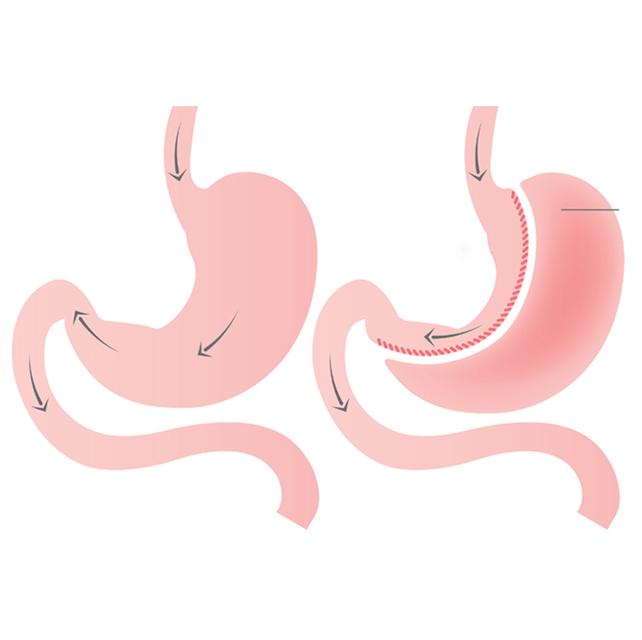
Revision after sleeve gastrectomy is a second surgical intervention that may be necessary for patients who have initially undergone sleeve gastrectomy. Sleeve gastrectomy aims to reduce the amount of food by shrinking the stomach and thus promote weight loss. However, in some patients, weight loss may stop over time and even weight gain may be observed. The main reason for this is; increased malnutrition, caloric life and lack of exercise. Revision after sleeve gastrectomy helps patients in such cases to maintain weight loss and achieve their long-term health goals.
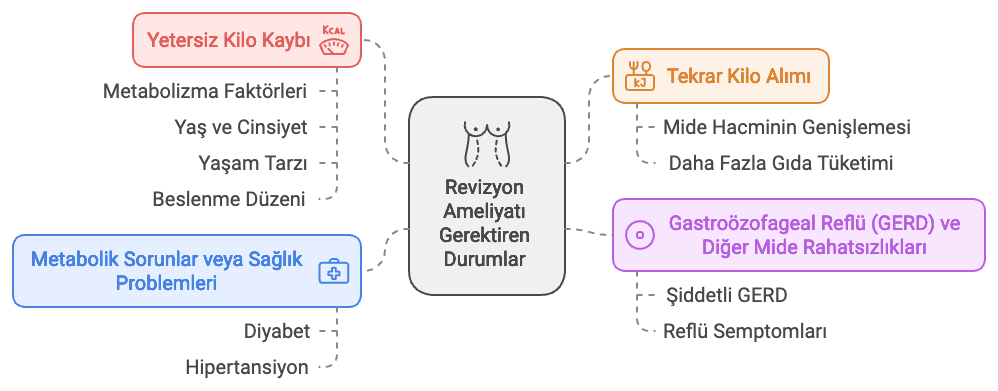
Sleeve gastrectomy (sleeve gastrectomy) is an effective method preferred to achieve permanent weight loss in obesity treatment. However, in some patients, revision surgery may be considered if the targeted weight loss is not achieved over time, weight gain resumes or other health problems related to the stomach occur. Here are the main conditions that require revision after sleeve gastrectomy surgery:
1. Insufficient Weight Loss
Patients usually experience a certain amount of weight loss after sleeve gastrectomy surgery. However, in some cases, weight loss is not at the expected level. Factors such as the patient’s metabolism, age, gender, lifestyle and postoperative diet can directly affect weight loss. If the patient cannot achieve a significant weight loss, the weight loss process can be supported by further reducing the stomach with revision surgery or by applying a different method such as gastric bypass.
2. Weight regain
After a successful weight loss process, some patients may start to gain weight over time. The reason for this is usually the incomplete change in eating behavior, which leads to a preference for foods that take up little space in the stomach but are high in calories, or the gradual expansion of the stomach volume after surgery. The enlarged stomach allows more food to be consumed, which can trigger weight gain. These situations require individually focused work to change eating behavior. Revision surgery can also be performed to make the stomach smaller again or to perform another surgical intervention that reduces absorption.
3. Gastroesophageal Reflux (GERD) and Other Stomach Disorders
After sleeve gastrectomy surgery, some patients may develop stomach problems such as severe gastroesophageal reflux (GERD). This condition causes stomach acid to back up into the esophagus and can cause symptoms such as chest pain, burning, bitter water in the mouth and acid-induced inflammation of the esophagus such as esophagitis. If reflux reduces quality of life and cannot be controlled with medication, revision surgery may be required. Especially conversion to methods such as gastric bypass can be effective in alleviating reflux symptoms.
4. Metabolic or Health Problems
In patients who undergo sleeve gastrectomy, diseases such as diabetes, high blood pressure and cholesterol improve at a high rate and the need for medication can be eliminated. After the weight loss stops in the following years, the person’s metabolically healthy state in the body continues. In some patients, metabolic problems may not fully improve despite weight loss. In some patients with long-term changes in eating habits, increased consumption of refined foods and weight regain, metabolic diseases such as diabetes or high blood pressure may reappear, albeit at a lower rate. In this case, a revision surgery such as gastric bypass, which reduces the rate of absorption, can help control metabolic problems. In this way, the patient can maintain weight loss and manage their health problems.
Revision options after sleeve gastrectomy may vary depending on the patient’s condition. One of the most common methods is to convert the sleeve gastrectomy to more advanced surgical procedures such as gastric bypass or mini gastric bypass. These methods promote weight loss by further reducing the volume of the stomach and changing the absorption process of food.
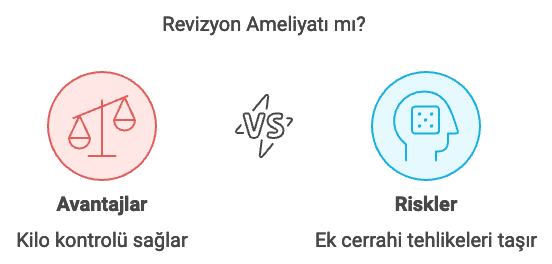
Revision surgery carries certain risks as it is a second surgical procedure. However, these risks are generally acceptable for patients to maintain weight control and lead a healthy life. Especially for patients who cannot cope with problems such as stomach enlargement or weight gain, revision provides a more effective weight control in the long term.
Revision after sleeve gastrectomy is an important option for patients who want to maintain weight loss and improve their quality of life. It is important that this process is evaluated by a specialized surgeon and a personalized treatment plan is made.
Revision after sleeve gastrectomy is a corrective procedure applied in cases such as insufficient weight loss or weight regain after the first surgery. Different revision methods can be applied according to the needs of the patient. Here are the most preferred revision methods after sleeve gastrectomy and how they are performed:
1. Gastric Bypass Conversion
One of the most common options for revision after sleeve gastrectomy is to convert sleeve gastrectomy to gastric bypass surgery. In addition to shrinking the stomach, gastric bypass alters food absorption by creating a new pathway to the intestines. This procedure accelerates weight loss and is an effective solution for patients who experience weight regain. It can also help reduce stomach conditions such as reflux.
How is it done?
While part of the stomach is reduced in size, a different route to the small intestine is created.
It is usually done laparoscopically (closed), which speeds up the healing process.
2. Mini Gastric Bypass (MGB)
Mini gastric bypass is another frequently used method for revision after sleeve gastrectomy. It requires fewer bowel incisions than standard gastric bypass and the operation time is shorter. Mini gastric bypass partially alters the absorption processes while reducing the stomach volume. This method accelerates weight loss and reduces the risk of weight regain.
How is it done?
The stomach is reduced to a thin and long tube and reconnected to the small intestine.
Because it has a single anastomosis and a shorter bypass route, the risk of complications is relatively low and patients recover faster.
3. Endoscopic Revision Methods
Endoscopic revision methods can also be used to reduce stomach volume without the need for surgery. With procedures such as endoscopic gastric narrowing (transoral outlet reduction), gastric enlargement is controlled and the stomach is reduced to a smaller volume. Since endoscopic revision is a less invasive option, postoperative recovery is faster and patients can return to their daily lives more quickly. Its use is limited due to its high cost and lack of widespread use in Turkey.
How is it done?
Endoscopy is applied to the stomach through the mouth and the stomach is narrowed with the help of sutures from the enlarged areas.
The hospital stay is short and the patient can return to normal life in a short time.
The need for revision after sleeve gastrectomy surgery varies according to each patient’s condition. Which method will be preferred; It is determined depending on the patient’s current health status, weight loss goals and complications related to the stomach. For this reason, a specialist surgeon should be consulted for revision surgery and a patient-specific treatment plan should be created.
Revision options after sleeve gastrectomy offer an effective solution for patients who are unable to maintain targeted weight loss or are experiencing health problems.
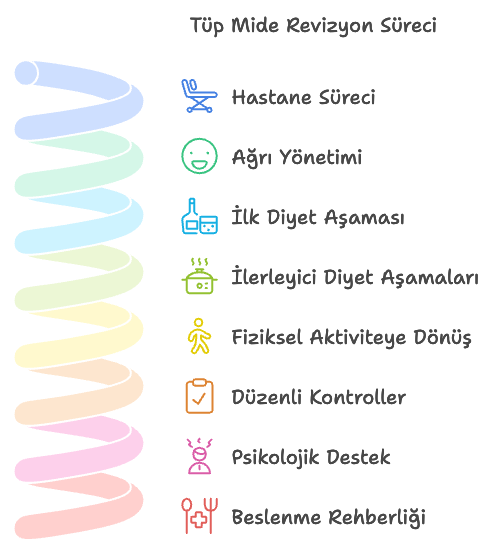
Revision after sleeve gastrectomy is a corrective procedure performed in cases where patients are unable to maintain weight loss or experience other stomach-related health problems. Revision surgeries require as much care as the first surgery and it is important that patients are carefully monitored during this period. Here are the points that patients should pay attention to during the revision process and recovery period after sleeve gastrectomy:
1. Hospitalization and First Days After Surgery
Revision surgery after sleeve gastrectomy is usually performed laparoscopically (closed), but in some cases open surgery may also be required. After the surgery, the patient is usually kept under observation in the hospital for 2-4 days. During this period:
Pain Management: After surgical intervention, pain or discomfort may be felt in the abdomen. These pains are controlled with painkillers prescribed by the doctor.
Fluid Consumption: Immediately after surgery, the patient should be fed only clear liquids until the digestive system has fully recovered. Over time, the diet is gradually expanded.
Initial Check-ups: Various tests may be performed if necessary to check for complications such as leakage, infection or bleeding.
2. Revision Nutrition Stages After Sleeve Gastrectomy
The nutrition process after revision surgery progresses gradually and this period is similar to the nutrition program applied after the first sleeve gastrectomy. Patients usually follow the following stages:
Phase: Clear Liquids – For the first few days, only liquids such as water, herbal tea and clear soups are consumed.
Phase: Pureed Foods – Pureed foods are added as the patient’s digestive system adapts.
Stage: Soft Solids – After about 2-3 weeks, soft solids can be introduced with the doctor’s approval.
Phase: Normal Diet – After about 4 weeks, the patient switches to a normal diet, adopting a low-calorie, high-protein diet.
At every stage, it is important to chew food thoroughly, keep portions small and eat a diet high in protein.
3. Return to Physical Activity
During the revision process after sleeve gastrectomy, heavy physical activity should be avoided during the first week. Patients are encouraged to move with light walks. Heavy lifting and strenuous exercises should be avoided for the first month. Approximately 4-6 weeks after the surgery, a more regular exercise program can be started with the approval of the doctor.
4. Regular Checks and Monitoring
Regular medical check-ups are necessary for a healthy recovery after revision surgery. During these checks, weight loss, vitamin and mineral levels, possible complications and general health status are closely monitored. It is especially important for patients to have regular blood tests to prevent vitamin and mineral deficiencies.
5. Psychological Support and Nutrition Counseling
During the revision process after sleeve gastrectomy, it is important for patients to move away from old habits and adapt to a healthy lifestyle. In this process, nutritional counseling and, when necessary, psychological support can help patients achieve long-term success. While nutritionists provide guidance on adopting healthy eating habits; psychological support provides support in preventing problems such as emotional eating.
Recovery Time
The recovery period for revision surgery usually takes 4-6 weeks. However, individuals can usually return to their active work life after 1 week. Of course, the healing process of each patient may differ and this period may be prolonged in some patients. Paying attention to the diet and lifestyle recommendations given by the doctor during this period accelerates the healing process and reduces the risk of complications.
Revision after sleeve gastrectomy is a process that requires dedication and attention. It is possible to complete this process in a healthy way by following the diet, controlled transition to physical activity and regular controls. Do not forget to contact your healthcare professional for more information about the revision process after gastric sleeve.
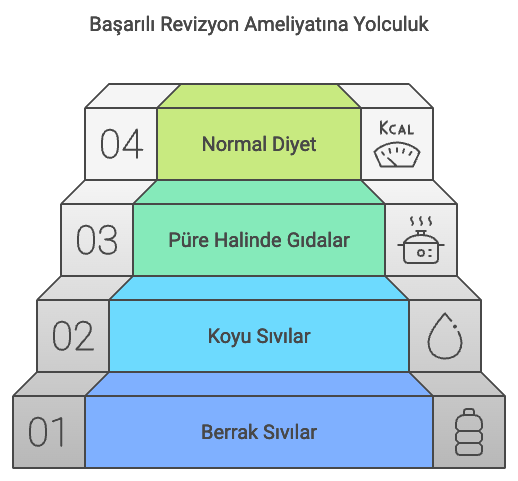
Revision after sleeve gastrectomy is an important step for patients who are unable to maintain weight loss or who experience stomach-related problems. Success after revision depends on the patient’s eating habits and lifestyle changes. Here are the nutritional and lifestyle changes you should consider during the revision process after sleeve gastrectomy:
1. Progressive Nutrition Program
Nutrition after revision surgery proceeds in a gradual process and care should be taken at every stage:
Phase Clear Liquids (Week 1)
In the first week after surgery, only liquids such as water, clear soups, buttermilk, yogurt, apple and pear juice and milk are consumed. This stage is important to rest the stomach.
Phase Dark Liquids (Week 2)
At this stage, it is foreseen to consume thick soups without grains. In addition to the liquids in the first stage; kefir, dark fruit juices such as apricots and peaches, linden and light tea are consumed.
Phase Puree Period (Week 3)
Eggs, cheese, vegetable and fruit purees, legume purees, sugar-free custard. It is always recommended to eat small, frequent meals.
Phase Normal Feeding (Week 4)
Adopt a low-calorie, high-protein diet and eat a balanced diet with healthy fats and fiber. Junk and sugary foods should be avoided.
2. Portion Control and Slow Eating
One of the most critical points of post-revision nutrition is portion control. By using small plates and eating slowly, adequate nutrient intake can be achieved without overloading the stomach. Also, chewing food thoroughly facilitates digestion.
3. Regular Physical Activity
Physical activity is also important for the success of revision after sleeve gastrectomy. It should be started with light walks in the first weeks after surgery, and with the approval of the doctor, more intense exercise programs should be started over time. At least 150 minutes of moderate aerobic activity per week is recommended.
4. Fluid Intake
Adequate water consumption (at least 2-3 liters per day) should be ensured throughout the day. However, avoiding fluid intake during meals helps to utilize stomach capacity effectively.
5. Vitamin and Mineral Supplements
After gastric sleeve revision, it is important to take supplements on doctor’s recommendation to prevent vitamin and mineral deficiencies. Particular attention should be paid to B12, vitamin D, iron and calcium intake.
Nutrition and lifestyle changes during the revision process after sleeve gastrectomy are essential to lead a healthy life and achieve the targeted weight loss. These changes will help you have a successful recovery after surgery and achieve lasting results. Remember, every individual is different; therefore, it is important to meet with a healthcare professional to create a plan that suits your individual needs.
Revision after sleeve gastrectomy is a surgical intervention used in cases where the first procedure failed or the patient has problems with weight loss. The revision process aims to improve patients’ physical health as well as improve their quality of life. However, the cost of such a revision surgery varies depending on many factors. Here are the main factors affecting the cost of revision after gastric sleeve:
1. Type of Surgery
The type of revision procedure is one of the most important factors affecting the cost. Laparoscopic method is preferred for the second abdominal surgery. Even if the patient has undergone open surgery before, the chance of closed surgery is not lost. Laparoscopic (closed) surgery is usually less costly, while open surgery may require higher costs. This is due to the longer hospitalization after open surgery. The type of revision is determined by the patient’s specific condition and health history.
2. Hospital and Surgeon Selection
The hospital where the surgery will be performed or the experience of the surgeon are also factors affecting the cost. Private hospitals have different service levels. For this reason, their pricing also varies. Procedures performed by more experienced surgeons are usually more expensive. However, it is important to choose a high quality fully equipped hospital and an experienced surgeon to get a quality service and reduce the risk of complications.
3. Extras and Related Fees
Additional costs such as equipment to be used during revision surgery, anesthesia services and hospitalization time are also included in the total cost. In addition, postoperative care and follow-up may generate additional costs. Individuals with comorbidities may be admitted to intensive care, which may increase costs.
4. Health Insurance
Part of the cost of gastric sleeve revision surgery may be covered by health insurance. If your insurance policy covers this type of surgery, it may cover a certain percentage of the cost. However, some insurance companies do not cover revision surgeries, so it is important to check your policy.
5. Geographical Location
The geographical location where the surgery will be performed is also an important factor affecting the cost. Costs in private hospitals in big cities are generally higher than in hospitals in small cities.
Revision after sleeve gastrectomy is a process that needs to be carefully planned and is an important factor for the patient in terms of cost. In consultation with your healthcare professional, you can find out the most suitable revision method for you and the costs of this process. With good planning and the right information, it is possible to get positive results from this surgical intervention.
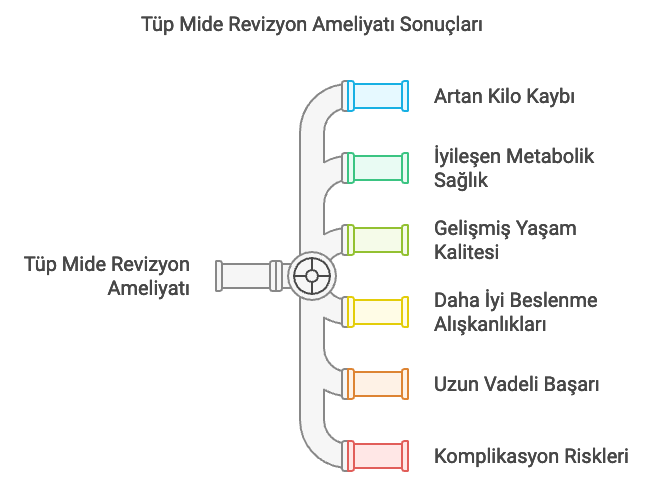
Revision after sleeve gastrectomy is a surgical procedure performed in cases where the first surgery did not achieve the expected success or the patient has health problems. The aim of revision is to increase weight loss and improve the patient’s general health status. Here are the results obtained with revision after sleeve gastrectomy:
1. Increased Weight Loss
Revision surgeries are an important solution, especially for patients who cannot achieve weight loss in the first sleeve gastrectomy. With this revision surgery, patients can experience further weight loss. If revision is performed effectively, patients can usually achieve an additional weight loss of 20% to 50%. Academic studies show that patients who achieve high success in the first surgery can be more successful if revision is needed, but the success of revision surgery can sometimes be limited in patients who cannot successfully lose weight or change their lifestyle in the first surgery.
2. Metabolic Diseases in Recovery
Gastric sleeve revision can also be effective in controlling obesity-related metabolic diseases (such as type 2 diabetes, hypertension, sleep apnea). These diseases may recur due to weight regain after surgery. For this reason, revision surgery is of particular importance. Many patients experience a significant improvement in the symptoms of such diseases after revision. Weight loss and the adoption of healthy eating habits help to improve metabolism.
3. Improved Quality of Life
Weight loss and health improvements after revision improve patients’ quality of life. Positive results such as increased physical mobility, the possibility to take a more active role in social life and increased self-confidence occur. Patients can move more comfortably in their daily lives and participate more in their activities.
4. Improved Dietary Habits
The revision process helps patients to reconsider their eating habits. In revision after sleeve gastrectomy, patients learn to eat healthy foods and become motivated to maintain these habits. This is critical for long-term weight control and healthy living. It is seen that many patients do not receive dietitian support after the first sleeve gastrectomy surgery. This may occur due to the fact that some of the patients neglect their follow-up and some of them do not have surgery in the teams that actively follow up. It is important to be actively followed by a bariatric dietitian both in the first surgery and revision surgeries.
5. Chances of Long-Term Success
Gastric sleeve revision increases patients’ chances of long-term success in the fight against obesity. Conditions such as weight gain or insufficient weight loss after the first surgery can be compensated with revision. Studies show that more than 70% of patients who undergo revision achieve successful weight control after 5 years.
6. Risk of Complications
As with any surgical intervention, revision procedures carry some risks. Second surgeries in the same area always carry a slightly higher risk than first surgeries. Patients are accepted for revision surgery when the intended benefit outweighs the risk of complications. However, the results obtained with a successful revision show that these risks are acceptable. Patients are carefully monitored after surgery and potential complications can be detected early and managed.
Revision after sleeve gastrectomy offers many positive outcomes in terms of weight loss and health improvements. However, the success of revision is closely related to the patient’s eating habits, physical activity level and regular follow-up after surgery. Therefore, it is of great importance to work with a specialized team and set your personal health goals during the revision process. You can contact your healthcare provider for more information about gastric sleeve revision.
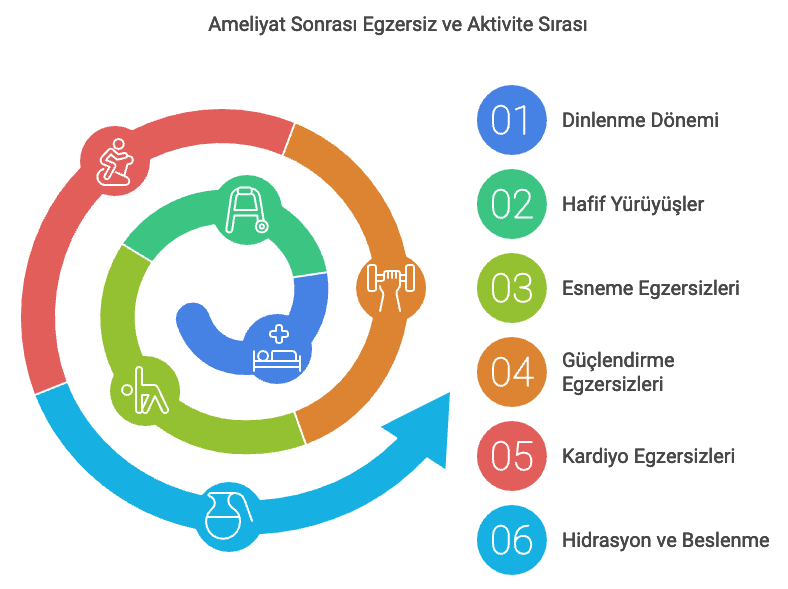
Revision after sleeve gastrectomy is an important surgical procedure aimed at improving patients’ weight loss and overall health. However, a successful revision process should be supported not only by surgery but also by appropriate exercise and physical activity. Here are the exercise and physical activity recommendations you should consider during the revision process after gastric sleeve:
1. Rest period after surgery
Rest is important for the first few days after surgery. It is important to allow enough time for the body to recover after the surgical procedure. Usually, 1-2 weeks of rest will be enough, depending on your doctor’s recommendations.
2. Light Walks
Taking light walks in the first week after surgery improves blood circulation and helps the healing process. Walking aids digestion and reduces bloating. Walking for at least 15-30 minutes a day is beneficial for both your physical and mental health.
3. Stretching Exercises
Slow and controlled stretching exercises relax the muscles and increase mobility. Focusing on gentle stretching within 3-4 weeks after surgery reduces muscle tension and promotes healing. These exercises can facilitate your activities of daily living.
4. Strengthening Exercises
Patients are usually recommended to switch to strengthening exercises after 6-8 weeks, with the approval of their doctor. Weight lifting or exercises using resistance bands help to increase muscle mass. However, you should exercise in moderation and take care of your body.
5. Cardio Exercises
Cardio exercises are extremely important to support weight loss after revision. Activities such as running, cycling, swimming and aerobics increase calorie burning and promote heart health. Aim for at least 150 minutes of moderate-intensity cardio exercise per week.
6. Water Consumption and Nutrition
When exercising, adequate water consumption and a balanced diet are of great importance. Adequate fluid intake maintains the body’s water balance and improves your performance during exercise. In addition, consuming foods rich in protein, vitamins and minerals is essential for muscle growth and recovery.
7. Communication with the Doctor
Before starting any exercise program, be sure to contact your doctor. Based on their recommendations, you should create a plan that suits your body’s needs and your recovery process.
8. Long-term Habits
It is important to maintain the exercise habits you have acquired during the postoperative period in the long term. Integrating physical activity into your lifestyle not only contributes positively to weight loss, but also to your overall health.
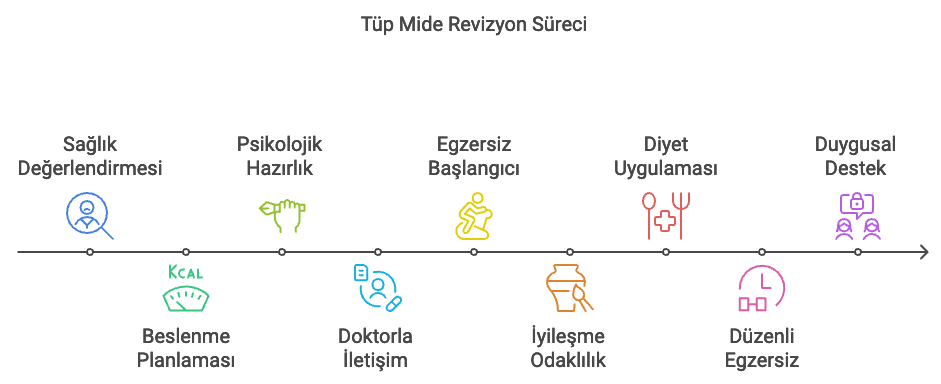
Revision after sleeve gastrectomy can be an important step for patients to maintain weight loss and improve their health status. However, some critical points should be considered to get the best results from this process. Here are important points to consider before and after gastric sleeve revision:
1. Assessment of Health Status
It is important to fully assess your general health condition before surgery. Your doctor will determine the most appropriate course of treatment, taking into account any existing health problems and potential risks.
2. Dietary Changes
It is necessary to create a healthy nutrition plan before the revision and to stick to this plan. Consuming low-calorie, nutrient-dense foods helps the body prepare for the post-operative healing process.
3. Psychological Preparation
Getting psychological support before surgery can help the process to go through in a healthier way. It is important to prepare yourself for the difficulties you may encounter during the revision process.
4. Communication with the Doctor
Clear and open communication with your surgeon makes the whole process healthier. You should share your expectations, concerns and questions with your doctor before surgery.
5. Exercise Program
Starting light exercises before surgery can improve your physical condition. Walking or low-intensity aerobic exercises can contribute to your overall health.
1. Recovery Process
After surgery, it is very important to rest and pay attention to the healing process. You should avoid heavy activities and rest your body for the first few days.
2. Compliance with the Nutrition Plan
After surgery, there will be some changes in your diet that you need to pay attention to. It is important to follow the liquid diet recommended by your doctor and switch to solid foods over time. Take care to eat slowly and in a controlled manner.
3. Regular Exercise
Exercising after surgery supports weight loss and is essential for a healthy lifestyle. After the time recommended by your doctor has passed, you can start with walking, swimming or low-intensity exercises.
4. Emotional Support
The revision process can be psychologically challenging. It is important to get emotional support by staying in touch with family members or a support group.
5. Controls and Follow-up
Regular check-ups and follow-up after surgery are important to monitor your health. Remember to go to appointments on the schedule recommended by your doctor.
There will be some changes in your body after revision. Adapting to these changes is important for maintaining a healthy life. Listen to your body and seek professional support when needed.
Fulya, Vital Fulya Plaza, Hakkı Yeten Cd. No:23/31, 34365 Şişli/Istanbul
+90 532 469 46 50


© 2025 / Dr. İsmail Çalıkoğlu