


About Treatment
5 Days
Average Length of Stay
3 Days
Length of Hospitalization
1 Hour
Duration of Surgery
General Anesthesia
Anesthesia Application
2 weeks
Recovery Time
7/24
Communication Process
Average Length of Stay
Length of Hospitalization
Duration of Surgery
Anesthesia Application
Recovery Time
Communication Process
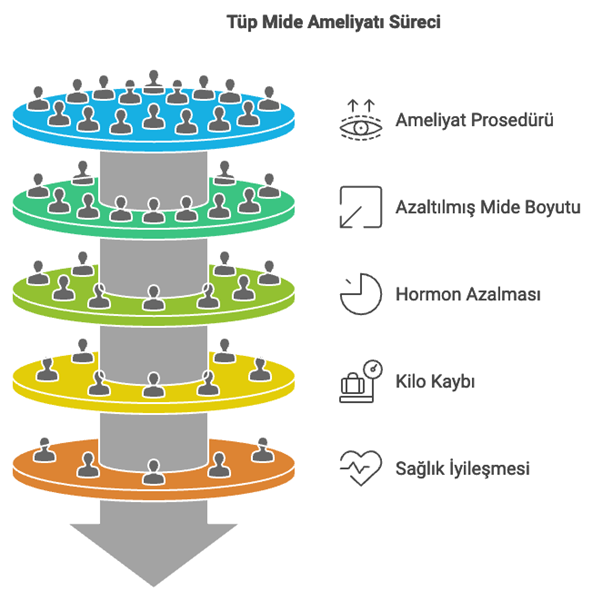
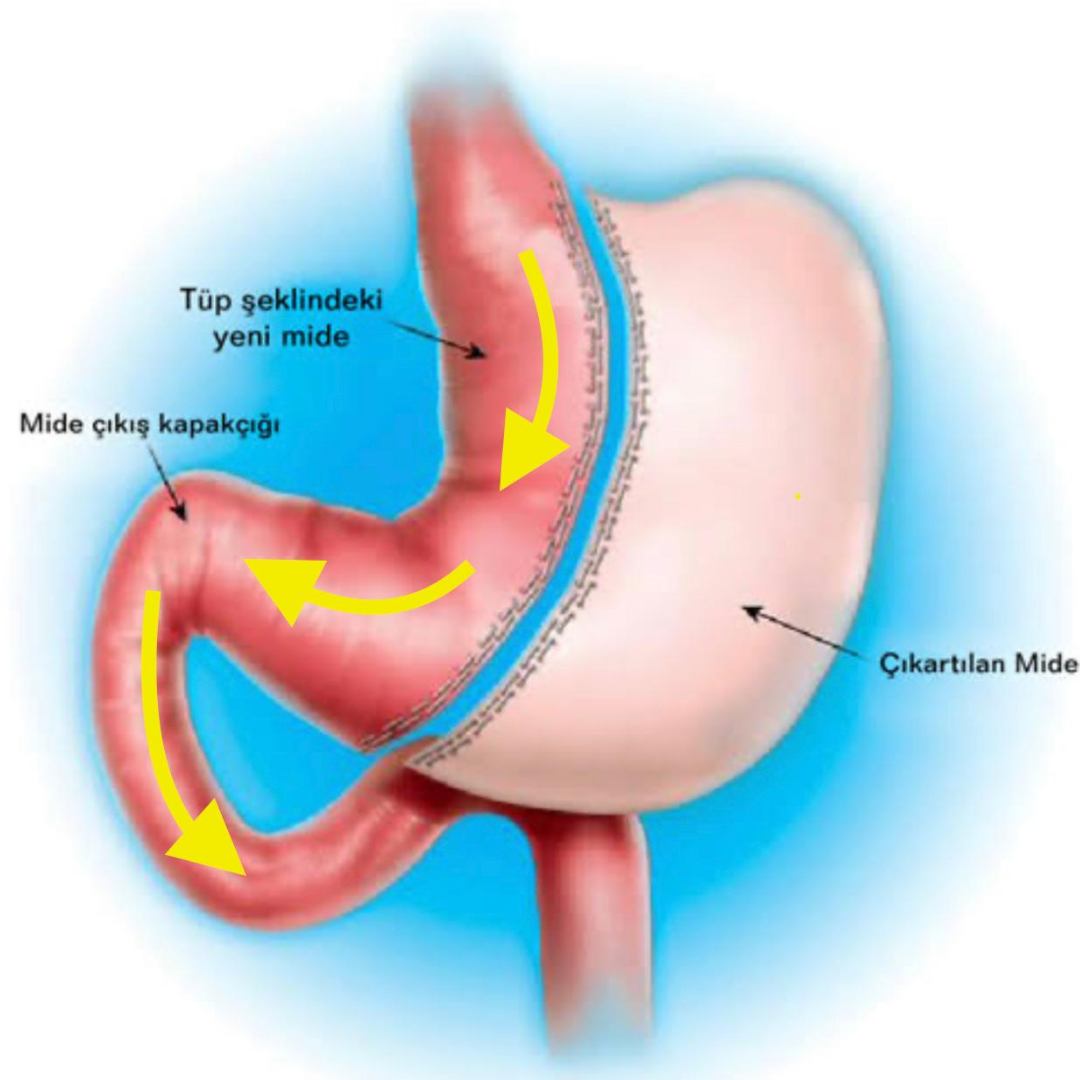
Gastric sleeve gastrectomy is a bariatric surgery that aids weight loss by reducing the volume of the stomach. This surgery is one of the most common weight loss procedures today, in which about 80% of the stomach is removed, leaving behind a banana-shaped, thin stomach tube. This new stomach limits the amount of food a person can take in, while lowering levels of the hunger hormone ghrelin, which significantly reduces the feeling of hunger.
Gastric sleeve gastrectomy is a procedure performed under general anesthesia and usually takes 60-90 minutes. During this laparoscopic (closed) surgery, small incisions are made in the abdomen. Through these incisions, surgery is performed with the help of thin instruments and a camera. During the operation, special stapling and cutting tools called “stapler” are used. While most of the stomach is permanently removed, the remaining stomach continues to digest smaller portions.
Gastric sleeve gastrectomy, medically known as sleeve gastrectomy, is less invasive than other surgical methods such as gastric bypass and does not require any changes to the intestines. Therefore, malabsorption of proteins and minerals does not occur and nutrient deficiencies are less common than with other methods.
After sleeve gastrectomy, patients can lose 50-60% of their excess weight. Weight loss usually occurs rapidly within the first 6-12 months and weight stabilizes by the 18th month. In addition to weight loss, this surgery contributes significantly to the improvement of obesity-related health problems such as type 2 diabetes, hypertension, sleep apnea and joint disorders. Although sleeve gastrectomy is a safe and effective weight loss method, it is not completely free from risks and complications. Side effects such as nausea, vomiting, abdominal pain and reflux may occur after surgery. These effects usually resolve spontaneously within a few weeks following surgery. More serious complications such as bleeding, leakage, infection and clotting in the vessels are rare but can occur. Especially in our technique, the support of the newly created staple line with special sutures significantly reduces the risks of leakage and bleeding. Sleeve gastrectomy surgery requires not only taking surgical risks, but also evaluating obesity treatment as a whole before and after surgery. Therefore, lifestyle changes are of great importance to be successful after sleeve gastrectomy. Regular weight loss and maintenance of the desired weight is only possible with a healthy diet and regular exercise. Regular follow-up with the bariatric surgery team is very important to monitor long-term progress and to ensure that the necessary vitamins and nutritional supplements are taken. Sleeve gastrectomy is a safe and effective weight loss method for obese individuals who cannot achieve adequate weight loss with diet and exercise. This surgery helps patients lose excess weight and recover from obesity-related diseases. It is also vital that patients, supported by lifestyle changes, receive support from clinics where they will be followed for life.
Sleeve gastrectomy, also known as sleeve gastrectomy, is one of the effective surgical methods used to treat obesity. This surgery involves removing a large part of the stomach and forming the remaining part into a thin, tubular stomach. In this way, the stomach capacity is reduced and patients are able to achieve a feeling of satiety with less food. The main goal of the surgery is to help patients lose excess weight and reduce obesity-related health problems.
The surgery is usually performed laparoscopically, which is a minimally invasive procedure performed by making several small incisions in the abdomen. This method allows the surgery to be performed without large surgical incisions, thus shortening recovery time and reducing postoperative complications. During the procedure, the surgeon cuts out a large part of the stomach and reconstructs the rest into a tube. This means that about 75-80% of the stomach is removed. After surgery, the stomach has a volume capacity of about 100-150 ml, which significantly limits the amount of food the patient can eat.
Before surgery, patients undergo a detailed medical evaluation. This evaluation is done to determine whether they are suitable for surgery. Patients may also need to lose weight and follow certain diets in preparation for surgery. This helps to shrink the liver and make the surgery safer.
During surgery, general anesthesia is administered and patients are kept asleep throughout the procedure. Laparoscopic surgery is performed by making several small incisions in the abdomen. The surgeon inserts a laparoscope (a tube with a camera) through one of the incisions so that he or she can see the internal organs on a monitor. Surgical instruments are inserted through the other incisions, which partially remove the stomach. The rest of the stomach is stapled into a thin tube and the operation is completed.
Patients usually stay in the hospital for one or two days after sleeve gastrectomy. During this time, pain is controlled and patients are started on a liquid diet. Liquid and puree diets are recommended for the first few weeks after surgery and then gradually transition to solid foods. It is very important that patients pay attention to their diet and lifestyle changes after surgery. Since food intake will be limited, it may be necessary to take nutritional supplements and exercise regularly.
Gastric sleeve surgery can be an effective solution for patients with serious obesity-related health problems. However, patients need to cooperate closely with health professionals and change their lifestyles permanently before and after surgery. This guarantees the success of the surgery and the long-term health of the patients.
Sleeve gastrectomy (sleeve gastrectomy) is an effective surgical method that has gained popularity in the treatment of obesity in recent years. This surgery is performed by removing approximately 80% of the stomach, and the stomach is formed into a thin banana-shaped tube. In this way, the stomach capacity is significantly reduced and the amount of food a person can consume is limited. Gastric sleeve surgery has many advantages.
Effectiveness in Weight Loss: The biggest advantage of sleeve gastrectomy is that it leads to significant weight loss in patients. After surgery, patients eat less food as the stomach capacity shrinks, which leads to weight loss in the long term. Most patients can lose 60-70% of their excess weight within the first year after surgery. This weight loss improves a person’s overall health and alleviates many health problems associated with obesity.
Metabolic Recovery: Gastric sleeve surgery not only provides weight loss, but also has positive effects on metabolic diseases. In particular, conditions such as type 2 diabetes, hypertension and high cholesterol can show significant improvement after surgery. Studies show that many patients are able to completely stop their diabetes medication after surgery.
Hormonal Balancing: In addition to reducing stomach volume, the surgery also lowers levels of ghrelin, the hunger hormone. Ghrelin is a hormone that increases the feeling of hunger, and lowering the level of this hormone contributes to weight loss by reducing patients’ appetite. These hormonal changes help to make weight loss sustainable.
Minimal Changes to the Digestive System: Sleeve gastrectomy surgery makes fewer changes to the digestive system than other bariatric surgical procedures. The anatomy of the intestines is preserved and absorption of nutrients continues normally. This reduces the risk of complications such as nutrient deficiencies and malabsorption. In addition, although patients after gastric sleeve surgery need to take vitamin and mineral supplements for life, this requirement is usually less.
Improved Quality of Life: Patients “quality of life usually improves significantly after sleeve gastrectomy. Weight loss increases mobility, reduces problems such as shortness of breath and enables patients to perform their daily activities more comfortably. In addition, patients” self-confidence increases after surgery and their social life is positively affected.
As a result, gastric sleeve surgery offers an effective solution in the treatment of obesity in both the short and long term. With its many advantages such as weight loss, metabolic improvement, hormonal balance and improved quality of life, sleeve gastrectomy is a powerful option in the fight against obesity.
Gastric sleeve surgery is a widely preferred surgical method in the treatment of obesity. This surgery is based on removing a large part of the stomach and leaving a tubular stomach. The surgery offers effective results in weight loss and reduction of obesity-related health problems. However, as with any surgical procedure, sleeve gastrectomy has some risks and side effects.
Surgical Risks: Although gastric sleeve surgery is a minimally invasive procedure performed laparoscopically, it carries risks like any procedure that requires surgical intervention. There is a risk of bleeding during or after surgery. There is also a risk of leakage in the line of the staples used to staple the stomach. These leaks can lead to leakage of stomach contents into the abdominal cavity and can cause serious infections. Although the risk of leakage is quite low in surgeries performed by experienced surgeons, its presence requires rapid intervention.
Risks Related to Anesthesia: Since the surgery is performed under general anesthesia, there are risks associated with anesthesia. Although complications related to anesthesia are rare, allergic reactions, respiratory problems or problems with the cardiovascular system may occur. Although these risks are generally low, they are carefully monitored and controlled by anesthesiologists.
Side Effects: Some side effects may occur in the postoperative period. One of the most common side effects is nausea and vomiting. This is usually temporary and resolves within a few days. In addition, some patients may experience gastrointestinal problems such as reflux or constipation. Reflux is when the acidic contents of the stomach back up into the esophagus and can cause damage to the esophagus if left untreated.
Nutrition Related Side Effects: Since the stomach volume shrinks after sleeve gastrectomy, patients need to radically change their eating habits. Some patients may experience malnutrition or vitamin-mineral deficiencies after surgery. Especially iron, vitamin B12, folic acid and calcium deficiencies are common. Therefore, it is important to take vitamin and mineral supplements regularly in the postoperative period.
Psychological and Social Effects: Rapid weight loss after surgery may also have psychological effects in some patients. Gastric sleeve surgery affects patients’ lives not only physically but also psychologically and socially. While rapid weight loss can have positive effects on body image and self-esteem in patients, in some cases it can also lead to psychological problems such as eating disorders, depression or anxiety. It is important to receive psychological support in the postoperative period to prevent and manage such problems.
Long Term Risks: There are also some risks in the long term after sleeve gastrectomy. The volume of the stomach may expand slightly over time, which may lead to weight loss stopping or weight regain. In addition, complications such as gallstone formation, gastric obstructions and nutritional disorders that may occur after surgery should be carefully monitored.
Gastric sleeve surgery is a powerful tool in the treatment of obesity; however, the risks and side effects should be taken into consideration. A detailed evaluation of the patients before surgery and regular follow-up and support in the postoperative period will increase the chances of success. Adopting a multidisciplinary approach in this process is of great importance for the early detection and management of possible complications.
Gastric sleeve surgery is one of the most widely preferred surgical methods in the treatment of obesity today. The surgery is based on reducing the stomach volume by approximately 75-80%. In this way, patients reach a feeling of saturation with less food and weight loss is achieved. Sleeve gastrectomy surgery is a very effective method in terms of preventing or treating obesity-related health problems. However, as with any surgical intervention, this surgery also has various risks and side effects. In this article, we will discuss the risks and possible side effects of gastric sleeve surgery in a broader perspective.
Surgical Risks: One of the most important risks that may be encountered during surgery is the possibility of leakage in the gastric stapling line. These leaks can lead to serious infections such as peritonitis by leaking stomach contents into the abdominal cavity. Leak formation usually occurs in the first few days after surgery and requires urgent intervention. Other complications that may occur during or after the surgical procedure include bleeding, infection and wound site problems. In addition, although it is performed laparoscopically, complications such as injury to abdominal organs can occur, although this is rare.
Risks Related to Anesthesia: Since gastric sleeve surgery is performed under general anesthesia, complications related to anesthesia should also be considered. Serious conditions such as allergic reactions to anesthesia, respiratory problems, heart rhythm disturbances and, rarely, cardiac arrest may occur. Although these risks are generally low, they are carefully monitored and controlled by anesthesiologists.
Early Side Effects: The most common side effects after surgery include nausea, vomiting and abdominal pain. These symptoms usually occur in the first days after surgery and are temporary. In addition, some patients may experience gastrointestinal problems such as difficulty swallowing, reflux, or constipation. Reflux is mainly caused by stomach acid escaping into the esophagus and can lead to long-term esophageal damage if left untreated.
After sleeve gastrectomy, patients need to make radical changes in their eating habits. Due to the shrinking stomach volume, patients may eat less food, which leads to restricted nutrient intake. As a result, adequate vitamin and mineral intake may not be achieved. Micronutrient deficiencies such as iron, vitamin B12, vitamin D, calcium and folic acid are particularly common. These deficiencies can lead to serious health problems such as anemia, osteoporosis and neurological problems. Therefore, it is important to take regular vitamin and mineral supplements in the postoperative period.
Psychological and Social Effects: Gastric sleeve surgery affects patients’ lives not only physically but also in psychological and social aspects. While rapid weight loss can have positive effects on body image and self-esteem in patients, in some cases it can also lead to psychological problems such as eating disorders, depression or anxiety. It is important to receive psychological support in the postoperative period to prevent and manage such problems.
Long Term Risks: There are also some risks in the long term after sleeve gastrectomy. The volume of the stomach may expand slightly over time, which may lead to weight loss stopping or weight regain. In addition, complications such as gallstone formation, gastric obstructions and nutritional disorders that may occur after surgery should be carefully monitored.
Conclusion
Gastric sleeve surgery is a powerful tool in the treatment of obesity; however, the risks and side effects should be taken into consideration. A detailed evaluation of the patients before surgery and regular follow-up and support in the postoperative period will increase the chances of success. Adopting a multidisciplinary approach in this process is of great importance for the early detection and management of possible complications.
Sleeve gastrectomy is an effective surgical method widely preferred in the treatment of obesity. This operation significantly reduces the volume of the stomach, allowing patients to feel full with less food. However, the postoperative recovery process is a critical stage for success and must be managed correctly.
The first days after surgery are usually spent in hospital. During this period, patients may have pain and nausea, but these symptoms are usually manageable. After surgery, you do not immediately switch to normal meals; instead, you start with a liquid diet. For the first few days, only liquid meals such as clear liquids, protein powder mix liquids and grain-free soups should be consumed. At this stage, the diet should be strictly adhered to in order not to damage the stomach and to support the healing process.
In the second phase of the healing process, a transition from a liquid diet to pureed foods is made. This process usually takes 2-3 weeks and it is important to choose foods that are easy to digest without overloading the stomach. Pureed foods allow the stomach to adjust gently, while ensuring adequate nutrient intake.
The third stage involves the transition to solid foods and is usually completed by the end of the first month. During this stage, it is important that food is chewed well and consumed in small portions. Solid foods should be introduced carefully to adapt to the stomach. At the same time, patients need to keep their fluid intake adequate during this stage.
Physical activity also plays a major role in the postoperative recovery process. Heavy exercises should be avoided in the first few weeks after surgery and light activities recommended by the doctor should be started. Gradually, mobility should be increased and regular exercise habits should be acquired.
Finally, the postoperative period requires regular medical check-ups. These check-ups are important to monitor the stomach and general health and to detect possible complications at an early stage. In addition, getting support with nutrition and lifestyle changes during this period will increase success.
The recovery process after sleeve gastrectomy can be successfully managed with a careful nutrition plan, appropriate physical activity and regular follow-up. The steps to be taken in this process are of great importance for long-term health and weight control.
Sleeve gastrectomy is considered an effective surgical option in the fight against obesity. However, in order for this operation to be successful and to minimize the risks of complications, it should be applied to patients who meet certain criteria. Here are the general criteria for people who are suitable for gastric sleeve surgery:
Body Mass Index (BMI): Gastric sleeve surgery is generally recommended for individuals with a body mass index (BMI) of 40 or higher. BMI is a value calculated from a person’s weight and height measurements and this surgical intervention is considered for people who exceed the obesity limit. You can easily calculate your own BMI value. In addition, people with a BMI between 35-39.9 and obesity-related health problems (such as diabetes, high blood pressure, high cholesterol, sleep apnea) may also be suitable candidates for sleeve gastrectomy surgery.
Failure of Other Treatment Methods: Surgery is usually considered in cases where other obesity treatment methods such as diet, exercise and drug therapies are insufficient. Gastric sleeve surgery may be a suitable option for people who have not achieved successful weight loss with these methods.
Health Status: General health status is also an important factor. The patient should be in good general health before surgery and be able to tolerate the surgical intervention. It is important that organs such as the heart, lungs and kidneys function adequately. Psychological and mental health should also be assessed, as adapting to postoperative changes may require psychological support.
Age: Sleeve gastrectomy surgery is generally recommended for individuals aged 18 and over. In the past, the upper age limit used to be 65, but today the upper age limit has been lifted. Although the age limit has been lifted in elderly patients, it is necessary to decide on the operation according to the current health status, additional diseases and performance of the person. In young individuals, long-term effects and the growth process should be taken into consideration. Although surgical treatments are on the agenda due to progressive obesity rates in the adolescent (young) age group, the approval of the pediatrician, pediatric endocrinologist and child psychiatrist is essential.
Motivation and Commitment: In order to be successful in the postoperative period, it is important for patients to be motivated and adapt to lifestyle changes. Surgery is a start for weight control and healthy living habits, but patients need to play an active role for lasting results.
As a result, gastric sleeve surgery may be a suitable option for people who meet certain criteria and who have not achieved results from other treatment methods. Each individual’s situation is unique and a comprehensive preoperative evaluation plays a critical role in determining the most appropriate treatment path.
Sleeve gastrectomy is a surgical intervention that is recognized as an effective solution in the fight against obesity and weight control. However, when considering this type of surgery, many important factors other than the cost factor should be taken into consideration. Factors such as the materials used, the quality of the hospital, the experience of the doctor and long-term follow-up are of great importance for the successful performance of the surgery and the improvement of the patient’s health status.
Firstly, the quality of the materials used in gastric sleeve surgery can have a direct impact on the results of the operation. High-quality materials and modern technologies both increase the success rate of the surgery and ensure that the recovery process goes more smoothly and quickly. Such materials reduce the risks of complications during the surgical intervention and positively affect the overall health of the patient. So, low-cost alternatives may seem tempting, but ignoring quality can lead to greater health problems in the long run. Therefore, high-quality materials and equipment should be preferred to achieve the best results.
The hospital where the surgery will be performed is another important factor that determines the quality of the surgery. The hospital’s health standards, hygiene conditions, technical infrastructure and general health services directly affect the safety and success rate of the surgery. For example, a hospital equipped with modern equipment and maintaining high health standards reduces the risks of complications and ensures that the operation is performed more efficiently. In addition, evaluating criteria such as past success rates, patient reviews and health certifications are critical for a successful surgical process.
The experience of the doctor plays an important role in the successful performance of gastric sleeve surgery. An experienced surgeon minimizes the risks of complications, effectively manages the surgical process and optimizes the patient’s recovery. Preoperative counseling and postoperative care may differ depending on the doctor’s specialty. In this context, choosing an experienced and competent surgeon is one of the keys to a successful outcome.
The success of sleeve gastrectomy is not only limited to the operation process. Long-term follow-up and support services are also of great importance. The postoperative process is not only about physical recovery, but also about nutrition and lifestyle changes. At this point, the support provided by a dietitian and health coordinator will help the patient adapt to their new living arrangements and encourage them to maintain a healthy lifestyle. In addition, regular long-term follow-up ensures that potential complications are detected at an early stage and allows for regular monitoring of the recovery process. This helps to maintain the patient’s state of health in both the short and long term.
Although sleeve gastrectomy stands out as an effective solution in the treatment of obesity, various factors should be taken into consideration for this important surgical intervention. Factors such as cost, materials used, quality of the hospital, experience of the doctor and long-term follow-up directly affect the success of the surgery. However, in addition to these factors, the insurance coverage of the surgery is also an important issue.
In Turkey, sleeve gastrectomy surgery is not usually covered by private health insurances. This makes it difficult for patients to cover the cost of this type of surgery through their private health insurance. On the other hand, gastric sleeve surgeries performed in public hospitals may be covered by the Social Security Institution (SGK). However, the surgery process in public hospitals is often characterized by long waiting times. This can increase the difficulties that patients experience in determining surgery dates and post-operative processes.
Sleeve gastrectomy is an operation that requires long-term follow-up. There may be some difficulties in the long-term follow-up process. Especially in this surgical process that requires one-to-one follow-up and support, it should be easy for the person to reach his/her doctor and team. In particular, there should be no difficulty in accessing personal follow-up and support services. Dietitians and health coordinators support patients in adapting to their new lifestyle, making it easier for them to achieve their long-term health goals.
In conclusion, gastric sleeve surgery should be evaluated not only by cost factors, but also by insurance coverage and long-term follow-up services. Considering that private health insurances usually do not cover this type of surgery and there are long waiting times in public hospitals, it is of great importance to focus on all the elements that affect the quality of the surgery. Quality materials, experienced doctors, hospitals with high standards and effective long-term follow-up services are critical for a successful surgery. The choices made by considering these elements will be an important step towards improving both health and quality of life. Since sleeve gastrectomy is a life-changing intervention, it is important to remember that the investments to be made in this process will play a major role in achieving healthy and long-term results.
Sleeve gastrectomy is recognized as an effective surgical method in the fight against obesity. By reducing the volume of the stomach, this surgery supports weight loss and can improve quality of life. However, in order to achieve successful results and minimize potential risks, a careful approach is required both before and after surgery. Here are the main points to be considered before and after sleeve gastrectomy surgery:
Preoperative Considerations: Comprehensive Health Assessment: A detailed health assessment is essential prior to gastric sleeve surgery. Your doctor will perform various tests and examinations to determine the risks of surgery and create the most appropriate treatment plan for you. These tests usually include blood tests, lung function tests, ECG, ultrasound and endoscopy. It is also important to fully inform your doctor about your current health problems, medications and general medical history.
Nutrition Counseling: Working with a dietitian before surgery can increase the chances of success. Doctors usually recommend a liquid diet before surgery. This liquid diet is done to prepare the liver and internal fat to shrink and to prepare the stomach for surgery and to facilitate postoperative recovery. Creating a healthy diet plan by reviewing your eating habits before surgery supports postoperative recovery and contributes to long-term weight control.
Smoking and Alcohol Consumption: Smoking and alcohol can negatively affect the success of the surgery and the healing process. While smoking increases the risk of complications during the healing process, alcohol can disrupt body fluid balance and cause stomach bloating. Therefore, it is recommended to stop smoking and alcohol consumption before surgery. Quitting these habits supports postoperative recovery and reduces the risk of complications.
Weight Management: Losing weight before surgery, especially reducing fat in the abdominal area, positively affects the risks of surgery and the healing process. Your doctor and dietitian will develop a plan to help you reach your weight loss goals. may cause weight gain. Weight management contributes to reducing surgical risks and making the surgery more successful.
Psychological Preparation Gastric sleeve surgery is a process that requires not only physical but also psychological preparation. Seeing a psychologist before surgery can help you get support in coping with this major change. Psychological preparation can make it easier for you to cope with the emotional difficulties you may face in the postoperative period.
Nutrition and Fluid Consumption: Postoperative nutrition is critical for a successful recovery. A liquid diet should be followed in the first weeks and soft foods should be continued over time. Due to the reduction in stomach volume, small portions and frequent but small amounts of food should be adopted. In addition, taking vitamin and mineral supplements as recommended by your doctor can help prevent nutrient deficiencies.
Physical Activity and Exercise: Physical activity should be started early after surgery. Taking light walks in the first days increases blood circulation and speeds up the healing process. It is important to get your doctor’s approval before starting an exercise program. Regular physical activity promotes weight loss and improves overall health. However, heavy exercise should be avoided in the early postoperative period. It will be appropriate to start heavy exercises within 2-3 months after wound healing in consultation with your doctor.
Medication Use: After surgery, medications prescribed by your doctor should be used regularly. These medications are generally aimed at pain management and keeping your bowel regularity at an optimal level. In the early period, liquid vitamin supplements are given and later on, tablet vitamins are used. Taking medications in the correct dosage and on time helps the healing process to proceed smoothly.
Follow-up Appointments Regular follow-up appointments are critical to evaluate the success of the surgery and to detect possible complications early. These appointments allow your doctor to review the healing process and make any necessary interventions in a timely manner. You will also have the opportunity to review your dietary habits and lifestyle changes at follow-up appointments.
Emotional and Psychological Support: Emotional and psychological support is also important in the postoperative period. Coping with weight loss and physical changes can be challenging for some people. Psychological support and support groups can make you feel that you are not alone in this process and increase your motivation.
Conclusion:
Gastric sleeve surgery can offer an effective solution in the fight against obesity, but it requires careful preparation and recovery to achieve successful results. Preoperative comprehensive health assessment, nutritional counseling, reduction of smoking and alcohol consumption, weight management and psychological preparation are key factors that increase the success of the surgery. Postoperative diet, physical activity, medication, follow-up appointments and psychological support help the recovery process to proceed in a healthy way. By managing this process carefully, you can make the most of the health benefits of gastric sleeve surgery.
Sleeve gastrectomy is considered an effective surgical method for the treatment of obesity. This surgery promotes weight loss by reducing stomach volume and can help patients lead a healthy life. However, how much weight loss gastric sleeve surgery can lead to may vary depending on personal factors and lifestyle changes. Here are the factors affecting weight loss after gastric sleeve surgery and general expectations:
Preoperative Weight and Body Mass Index (BMI): Individuals with a high preoperative body mass index (BMI) can generally experience more weight loss. BMI is calculated as a person’s weight divided by the square of their height and determines the level of obesity. People with a high BMI may experience a greater amount of weight loss after surgery. For example, a person with a BMI over 40 can expect significant weight loss after surgery. Especially in the first 1-1.5 years after sleeve gastrectomy, patients continue to lose weight and reach their target weight. During this period, patients can lose 70-80% of their excess weight. In other words, they can lose 40-50% of the total weight they see on the scale. These rates vary from person to person and are affected by age, gender, mobility and existing diseases.
Nutrition and Lifestyle Changes: Weight loss after surgery depends not only on the surgical intervention, but also on the individual’s lifestyle and eating habits. Adhering to the nutrition plan recommended by the doctor and dietitian, exercising regularly and adopting healthy living habits can accelerate weight loss and make it permanent. Therefore, it is important for individuals to follow diet and exercise recommendations after surgery.
Early and Long Term Results of Surgery: There is usually a rapid weight loss in the first 6 months of sleeve gastrectomy. During this period, patients can usually lose up to 50% of their initial excess weight. However, weight loss may slow down over time and the final weight loss may be between 60% and 70%, usually 12 to 18 months after surgery. Weight loss during this period may vary depending on the individual’s genetic makeup, metabolic rate and lifestyle changes.
Individual Factors: Each individual’s weight loss process is different. Genetic factors, metabolic rate, age, gender and current health conditions can affect weight loss. For example, younger individuals usually experience faster weight loss, while older individuals may experience slower weight loss. In addition, hormonal imbalances and metabolic disorders can also affect weight loss.
Complications and Comorbidities: Some complications after surgery or existing health problems can affect weight loss. Conditions such as infections, nausea, vomiting or nutritional problems can make weight loss difficult. Therefore, regular doctor check-ups and necessary health management can prevent such conditions and optimize weight loss.
Conclusion:
Sleeve gastrectomy is an effective method of combating obesity and can result in significant weight loss with appropriate lifestyle changes. In general, patients experience rapid weight loss in the first 6 months after surgery and can lose up to 70% to 80% of their initial excess weight in total. However, individual factors, dietary habits and lifestyle changes can influence this process. For successful weight loss and long-term health benefits, it is important to follow the recommendations of the doctor and dietitian after surgery, exercise regularly and adopt a healthy lifestyle. With this approach, you can make the most of the weight loss potential offered by gastric sleeve surgery.
Sleeve gastrectomy is an effective method of treating obesity and exercise and physical activity play a major role in achieving a successful outcome. Physical activities in the postoperative period support the healing process and promote permanent weight loss. Here is what you need to know about exercise and physical activity after sleeve gastrectomy:
Exercise in the First Weeks: The first 2-4 weeks after surgery is a critical period for the healing process. During this period, you should start with low-impact exercises such as light walking. Walking promotes healing and improves overall health. Intense activities should be avoided.
Progression of the Recovery Process: 4-6 weeks after surgery, it is possible to increase the intensity of exercise. At this stage, low-weight resistance exercises and cardiovascular activities (such as swimming, cycling) can be performed. Variety of exercise promotes muscle development and accelerates metabolism.
Long-term Exercise Program: 3-6 months after surgery, a transition to more intense exercises and strength training can be made. During this period, high-intensity cardiovascular exercises such as running or interval training are recommended. Exercises should be gradually increased and adapted to individual tolerance. Working with a sports specialist or physiotherapist can be helpful during this period.
Regular exercise provides many benefits beyond promoting weight loss. Maintaining muscle mass, regulating metabolism, improving cardiovascular health and mental well-being are the main benefits of exercise. In addition, exercise can also help to tackle aesthetic problems such as sagging skin.
Things to be aware of: There are some points to be considered while exercising. In the postoperative period, overly strenuous movements and high weights should be avoided. Adequate fluid consumption and a balanced diet are important before and after exercise. In case of any pain or discomfort, it is necessary to review the exercise program and contact the doctor. The most important thing to avoid while exercising is injuries. It is important to get support from coaches about the movements that overweight individuals can and cannot do.
Personal Exercise Approach: Exercise and physical activity after sleeve gastrectomy should be tailored to individual needs and the healing process. Each individual’s physical condition and recovery process may be different. Therefore, it is best to create a personalized exercise program and review it regularly.
Regular exercise and physical activity after sleeve gastrectomy are critical to speed up the healing process and ensure permanent weight control. Exercise programs should be tailored according to physician recommendations and personal needs, and potential health-related issues should be taken into consideration. Regular exercise for a healthy lifestyle is the foundation for successful weight loss and overall health.
While sleeve gastrectomy is considered an effective method in the treatment of obesity, there may be some complications that may occur after this procedure. These complications, which should be considered in the postoperative period, can help you have a successful recovery process with early diagnosis and appropriate management. Prevention of these complications requires good preoperative preparation and high standards of surgery. Complications can develop despite all precautions. However, the important thing is early recognition and correct management. The complications reported below are generally reported in 1-2% patients in the literature. Here are the main complications that may be encountered after sleeve gastrectomy surgery:
Infections One of the most common complications after sleeve gastrectomy is infections. Infections usually originate from the surgical site and present with symptoms such as increased body temperature, pain, redness and swelling. Early antibiotic treatment and compliance with hygiene rules can reduce the risk of infection. Superficial infection rates are very low in these surgeries performed with the closed method.
Leaks that may occur in the gastric sleeve areas after surgery are among the serious complications. Leaks can cause stomach contents to leak into the abdominal cavity and can lead to more serious conditions such as peritonitis. Early diagnosis of such complications is usually achieved through imaging methods and surgical interventions. To prevent this possible complication, it is important that the stapler line created during the gastric sleeve is leak-proof. Special surgical materials are produced at high standards and have been used for years. In our surgical method, we apply the technique of reinforcing the stapler line, which is leak-proof but open to complications, with a second layer. This line, reinforced with a second stitch, provides a higher level of security than in cases where only the stapler is used.
Bleeding Bleeding after a surgical procedure can occur in two ways, both internal and external bleeding. Internal bleeding is usually caused by vascular damage at the surgical site and may require immediate intervention. External bleeding is usually observed during the healing process of the surgical site, i.e. incision sites. Additional surgical interventions or medication may often be required to control the bleeding. The surgical field is given the necessary attention in every surgery to reduce the possibility of bleeding. Bleeding may occur despite all precautions taken. In order to reduce and secure this rate, we apply a second layer of suture on the staple line that we apply in our surgeries.
Thrombosis and Pulmonary Embolism: The risk of deep vein thrombosis (DVT) and pulmonary embolism may increase due to immobility after sleeve gastrectomy. These conditions can cause blood clots in the legs and these clots can travel to the lungs. Measures such as early mobilization, blood thinners and compression stockings can be taken to reduce the risk of thrombosis.
Nutrition and Digestive Problems: In the postoperative period, the digestive system may have difficulty adapting and various nutritional problems may occur. These problems include nausea, vomiting, stomach spasms and food intolerances. There may also be vitamin and mineral deficiencies. Working with a baratric dietitian and taking regular vitamin supplements can be helpful to deal with such problems.
Gastric Stenosis and Narrowing: Gastric stenosis, which can be seen in all types of surgery and usually occurs due to internal wound healing, is a narrowing of the stomach tube, which can make it difficult for stomach contents to pass through. This can cause symptoms such as nausea, vomiting and difficulty eating. Endoscopic intervention or additional surgical procedures can be used to manage this complication.
Psychological Problems: In the postoperative period, psychological problems may occur along with changes in body image and weight loss. Conditions such as depression, anxiety and body dysmorphia can affect patients’ quality of life. Psychological support and counseling play an important role in dealing with such problems.
Complications that may occur after sleeve gastrectomy surgery can lead to various health problems and require early diagnosis and management. Compliance with doctor’s recommendations, regular check-ups and healthy living habits play an important role in reducing the risk of complications and supporting the healing process. Collaborating with your professional healthcare team in the management of such complications is critical for the protection of your health and the successful completion of your recovery process.
Cost and Factors Affecting Gastric Sleeve Gastrectomy
Gastric sleeve surgery stands out as an effective option offered by modern medicine in the treatment of obesity. However, the cost of this operation may vary depending on many variable factors. Patients may want to understand the cost factors before deciding on this type of surgery. Here are the main factors that affect the cost of gastric sleeve surgery:
Hospital and Clinic Selection: Sleeve gastrectomy surgery can be performed in various hospitals and clinics. The quality of service, the technologies used and the general infrastructure of each health institution may differ. Health centers with high-end and advanced medical equipment can usually charge a higher price. The location of hospitals can also have an impact on prices; costs can often be higher in big cities and prestigious health centers.
Surgeon’s Experience and Expertise: The experience, expertise and training of the surgeon who will perform the surgery is also an important factor affecting the cost. Experienced and trained surgeons can usually charge higher fees. The surgeon’s past achievements and specialization are directly related to the complexity and risk of the operation. Therefore, the qualifications of the surgeon can be decisive on the cost.
Preoperative and Postoperative Tests: Various tests and examinations are performed to evaluate the health status of patients before gastric sleeve surgery. These tests usually include blood tests, imaging methods and cardiovascular evaluations. These evaluations are done to ensure the safety of the surgery and may affect the cost. In the post-operative period, follow-up examinations and tests to monitor the healing process may incur additional costs.
Anesthesia and Hospitalization: The type of anesthesia used during gastric sleeve surgery and the duration of hospital stay are also factors that affect the cost. In addition, the time you spend in the hospital also directly affects the cost. The length of hospital stay after surgery can often vary depending on the recovery process and this can create additional accommodation costs.
Additional Services and Fees: Some patients may want to benefit from additional services during the gastric sleeve surgery process. These services may include physiotherapy, dietitian support, psychological counseling and other rehabilitation services. These additional services may increase the total cost. These additional supports offered according to personal needs in the postoperative process can make the healing process more comfortable.
Health Insurance Coverage: Another factor that affects the cost of gastric sleeve surgery is health insurance coverage. Some health insurance plans may cover bariatric surgery partially or completely. The scope of the insurance policy, the amount of reimbursement it will provide, and the conditions related to the procedure may vary depending on the insurance company. Finding out whether your insurance policy covers gastric sleeve surgery is an important step in determining your personal costs.
Region where the surgery is performed: Geographical location is another factor that affects the cost of gastric sleeve surgery. Health centers in big cities can often charge higher prices, while costs may be lower in smaller cities or rural areas. Regional economic conditions and living standards are among the important factors affecting the costs of healthcare services.
These factors play an important role in determining the total cost of gastric sleeve surgery. Since each individual’s situation and needs are different, it would be the best approach to meet one-on-one with your healthcare provider and surgeon to get detailed information about the surgery process and costs. Extensive preoperative research and planning can help you find the most suitable option both financially and medically.
Fulya, Vital Fulya Plaza, Hakkı Yeten Cd. No:23/31, 34365 Şişli/Istanbul
+90 532 469 46 50


© 2025 / Dr. İsmail Çalıkoğlu