



About Treatment
-
Average Length of Stay
-
Length of Hospitalization
15 minutes
Implementation Duration
Sedation
Anesthesia Application
3 Days
Recovery Time
7/24
Communication Process
Average Length of Stay
Length of Hospitalization
Implementation Duration
Anesthesia Application
Recovery Time
Communication Process
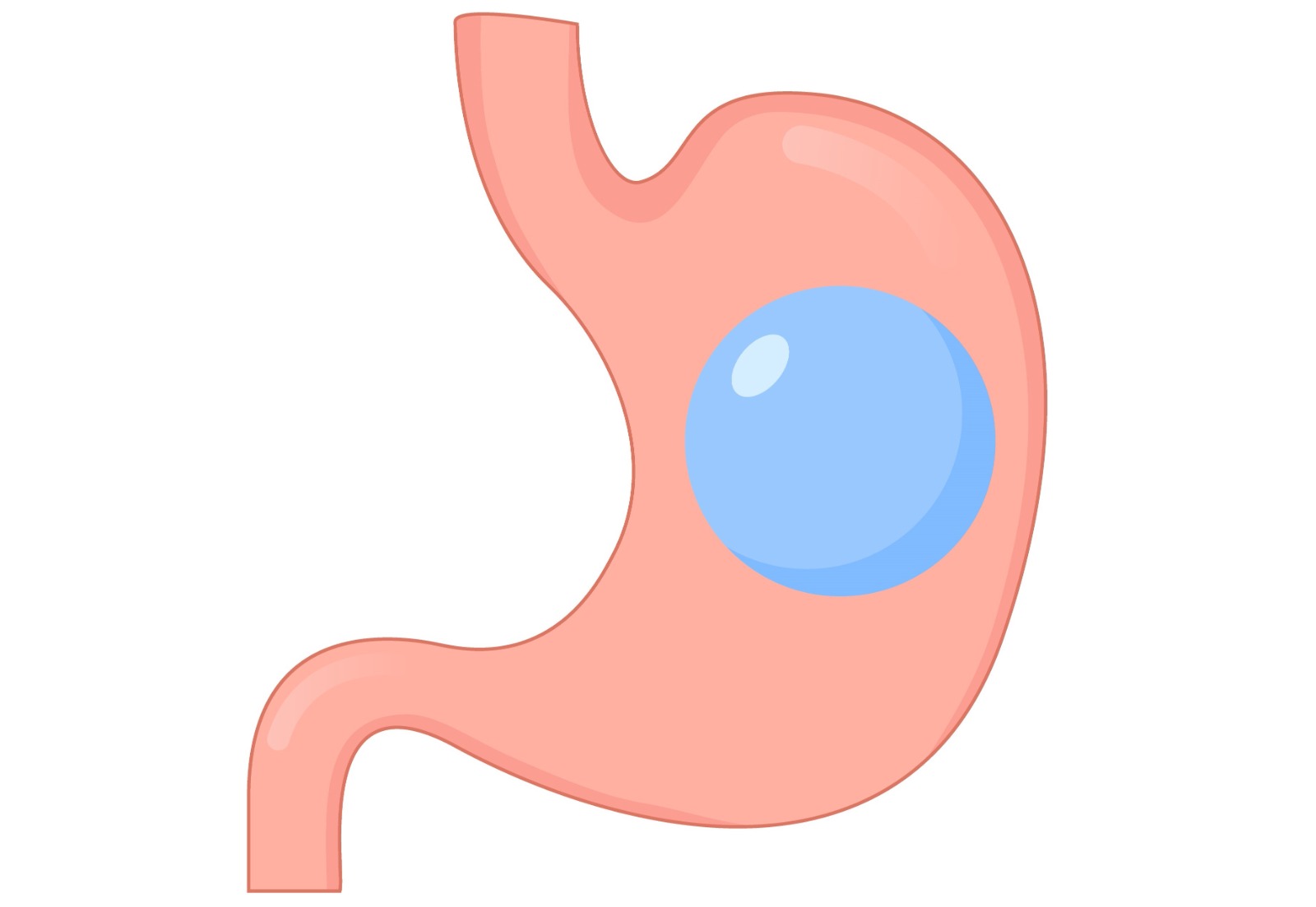
Gastric ballooning is a minimally invasive method used in the treatment of obesity and does not require a surgical procedure. It is performed by means of a balloon inserted into the stomach to enable patients to eat less and therefore lose weight. The gastric balloon is usually recommended for patients who do not prefer surgical intervention for weight loss or who are not suitable for surgery.
Gastric ballooning is a minimally invasive method used in the treatment of obesity. The procedure is performed in the following steps:
Preparation and Evaluation: Before the gastric balloon procedure, the patient’s health status is examined by physical examination, blood tests and endoscopic evaluation.
Sedation and Endoscopy: During the procedure, the patient is usually sedated. An endoscope is inserted through the mouth, this device is used to view the stomach and insert the balloon.
Balloon Placement and Inflation: Through the endoscope, the balloon is inserted into the stomach and then inflated with water or air. The balloon partially fills the stomach, creating a feeling of fullness.
Follow-up and Discharge: After balloon placement, patients are usually discharged the same day. Mild nausea and bloating may occur in the first few days.
Balloon Removal: The gastric balloon is usually removed endoscopically after 6-12 months.
Gastric ballooning supports weight loss in a minimally invasive way, without requiring a surgical procedure.
The gastric balloon stands out as a non-surgical, effective and minimally invasive method in the treatment of obesity. Here are the main advantages of gastric balloon application:
No Surgical Intervention Required: A gastric balloon can be performed without a surgical procedure. This means lower risks for patients and a much shorter recovery time.
Minimally Invasive Procedure: Since the gastric balloon is inserted endoscopically, no large incisions are made in the body. This speeds up the healing process and reduces the risk of complications.
Fast Recovery Process: After the gastric balloon procedure, patients are usually discharged on the same day and can return to their normal lives within a few days. The process of returning to physical activity is also quite fast.
Low Risk and Safe Practice: The gastric balloon carries lower risks compared to surgical interventions. The risk of the balloon bursting is very low and complications are usually temporary and can be resolved with appropriate treatment.
Creates a Feeling of Fullness: Since the balloon partially fills the stomach, the person feels full more quickly. This helps to limit calorie intake by reducing the amount of eating and promotes weight loss.
It can be used as an Alternative to Surgery: It can be a good alternative for patients who do not want or are not suitable for surgery. It is also recommended for people who want to achieve weight loss before bariatric surgery.
Short-Term Effect: The gastric balloon usually remains in the stomach for 6-12 months. During this period, patients are followed up regularly and directed to healthy lifestyle changes. At the end of this process, patients can achieve their weight loss goals.
Supports Weight Loss After the Procedure: The gastric balloon allows individuals to feel full with less food and this helps the weight loss process. In addition, for the gastric balloon procedure to be successful, patients should adopt healthy eating and exercise habits.
Ease of Application: Gastric balloon placement is a very simple and quick procedure. The procedure usually takes 30-45 minutes and patients can spend it comfortably under sedation.
These advantages make gastric ballooning a less risky and faster option compared to surgical interventions in the treatment of obesity. However, healthy lifestyle changes are also required for long-term weight loss.
Although gastric ballooning is generally a safe procedure, as with any medical procedure, there are some risks and side effects. These side effects are usually temporary and can be managed with appropriate treatment. However, since each patient’s case is different, it is important to be informed about possible complications.
At first, after the gastric balloon is inserted, patients may often feel discomfort such as nausea, abdominal pain and bloating. These side effects are considered to be a kind of adaptation process created by the presence of the balloon in the stomach and usually pass within a few days. In addition, some patients may experience post-meal discomfort or digestive problems.
Another risk is that the balloon bursts or leaks. However, this is extremely rare. If the fluid inside the balloon leaks or bursts, an endoscopic procedure may be required to remove the balloon. There may also be complications during the removal of the balloon from the stomach if the procedure is not done properly. There may also be a risk of damage to the stomach wall or infection.
Other potential risks of gastric balloon insertion include the triggering of digestive system diseases such as gastric ulcers or gastritis. This is a rare occurrence following balloon insertion, but can be prevented with regular follow-up of patients. Also, prolonged use of the balloon can lead to weakening of the stomach muscles in some patients.
Finally, gastric ballooning can also have psychological effects. Some patients may experience difficulties with their eating habits or feel psychologically under pressure after the balloon is placed in the stomach. Therefore, psychological support throughout the treatment process may facilitate the healing process.
All these risks and side effects can usually be minimized with the right patient selection and appropriate follow-up. The gastric balloon offers a safe method of weight loss when performed correctly, but may not be suitable for every patient.
Gastric ballooning is generally preferred as a non-surgical option in the treatment of obesity. However, it may not be suitable for every patient. Gastric balloon application is recommended for patients who meet certain health criteria and do not require surgical intervention. Here are the people for whom gastric balloon application is suitable:
Gastric ballooning may be a suitable option for individuals with a body mass index (BMI) between 26-40. These people may be people who want to control their excess weight and adopt a healthy lifestyle, who are not suitable for surgical intervention or who want to lose weight before surgery.
The gastric balloon may also be a good alternative for patients who are not suitable for bariatric surgery and cannot undergo surgery due to a medical condition. For example, those with serious health problems such as heart disease, respiratory problems or cancer may prefer the gastric balloon compared to surgical methods.
Gastric ballooning works best for individuals who are also sufficiently motivated and willing to change their eating habits and exercise. After the procedure, it is important that patients are psychologically prepared as they need to adapt to healthy lifestyle changes.
In addition, people with stomach or intestinal diseases (e.g. stomach ulcers, gastritis or reflux) may not be suitable for gastric ballooning. Such conditions may increase the risk of complications during balloon placement.
The gastric balloon can usually be applied to individuals between the ages of 18-65. However, the age limit may be flexible depending on the individual’s general health condition and the doctor’s assessment.
In conclusion, gastric ballooning is generally suitable for people who are looking for a surgical alternative to treat obesity and are willing to make healthy lifestyle changes. However, it may not be suitable for every patient, which is why a thorough evaluation by a doctor is necessary.
Recovery after gastric ballooning is usually quick and uneventful, but each patient may react differently. Since the procedure is minimally invasive, patients can usually return to their normal activities within a short period of time. Here is a typical recovery after gastric balloon procedure:
In the first few days, patients may often experience mild nausea, bloating, abdominal pain and discomfort. These side effects are considered a natural adaptation process as the balloon takes its place in the stomach and usually resolve within a few days. During this period, patients need to be careful about eating and drinking fluids. Doctors recommend that patients start with a liquid diet for 24-48 hours and then switch to soft foods.
During the first week of recovery, it is important to make changes in eating habits. It may be necessary to eat slowly, in small portions and avoid heavy meals. Patients are encouraged to eat more frequent but smaller meals to allow their digestive system to adjust to the balloon.
Patients can usually return to their normal daily activities within 1-2 weeks. However, it is recommended to avoid heavy physical activities and excessive exercise. During the first few weeks, lighter walks and low-intensity activities are recommended, avoiding intense exercise.
For the first few weeks after gastric balloon placement, it is normal for patients to experience some temporary discomfort as the stomach and intestinal system adjusts. At the end of this period, as the balloon partially fills the stomach, it creates a feeling of satiety faster, which means eating less food. During this period, the weight loss process begins.
The removal of the balloon is also an important part of the healing process. The gastric balloon is usually removed endoscopically after 6-12 months. This procedure is also minimally invasive and patients are usually discharged within a few hours after the procedure. After the balloon is removed, a healthy diet and lifestyle should be maintained to reorganize the stomach and maintain long-term weight loss.
Nutrition after gastric ballooning plays a critical role for a successful weight loss process. The placement of the balloon creates a feeling of satiety more quickly as it partially fills the stomach, which facilitates portion control. However, patients need to develop healthy and balanced eating habits during the recovery process. Here are some important points to consider about nutrition after gastric balloon:
First Days The first few days after the gastric balloon procedure are usually started with a liquid diet. In this process, water, chicken broth, low-fat milk and sugar-free soups should be preferred. Solid foods should be avoided because the stomach undergoes a healing process after the balloon is inserted. Also, nausea or discomfort may be normal during this period, so small sips of fluids should be taken.
Second Week Patients who spend the first week on a liquid diet can usually start eating soft foods in the second week. Pureed vegetables, yogurt, soft fruits such as bananas and slowly digested soups are ideal at this stage. It is important to avoid heavy meals and spicy foods at this stage.
Third and Fourth Week: Patients who have gone through the soft food period can gradually transition to solid foods. However, during this period, portions should be kept small and frequent but small amounts of food should be eaten. Since the feeling of satiety will increase with the effect of the gastric balloon, overeating can be prevented. Fatty, fried or processed foods should be avoided. Instead, protein-rich, fibrous foods (e.g. chicken, fish, vegetables and legumes) should be preferred.
Lifelong Nutrition Habits: After the gastric balloon procedure, healthy eating habits should be established in order to sustain weight loss. It is important to eat slowly, to be careful during meals and not to overdo it. At the same time, attention should be paid to water consumption and adequate fluid intake during the day. Drinking 2-3 liters of water a day can help speed up metabolism.
Supplementary Nutrients: Some nutrient deficiencies may develop in the body after the balloon procedure. It may be necessary to take protein, vitamin and mineral supplements. In line with the doctor’s recommendation, patients can use nutritional supplements. This is especially important to prevent deficiency of important minerals such as vitamin B12, iron and calcium.
Long Term The most important factor after gastric balloon procedure is to adapt to lifestyle changes. A good diet and regular physical activity make the weight loss achieved with gastric ballooning sustainable. A diet enriched with healthy fats, complex carbohydrates and fresh vegetables will help to achieve the ideal weight in the long term.
Nutrition after gastric ballooning is the foundation of the weight loss process and requires a disciplined approach for success. Optimal management of this process will improve not only weight loss, but also overall health and quality of life.
Gastric ballooning is an effective method in the treatment of obesity and generally offers personalized results. Weight loss varies depending on the patient’s initial weight status, compliance with lifestyle changes, eating habits and physical activity levels. However, in order to provide general guidance, some information about the weight loss that can be achieved with gastric ballooning can be given.
The gastric balloon usually remains in the stomach for 6-12 months, during which time patients are encouraged to eat smaller portions and frequent, healthy meals. As the balloon fills the stomach, it helps the person to feel full faster, resulting in a lower calorie intake overall.
Average Weight Loss: With the gastric balloon application, patients can usually experience an average weight loss of 15-20 kg within 6 months and an average weight loss of 25-30 kg within 12 months. In this process, although weight loss starts rapidly, it may continue at a more stable rate in the following months. The amount of weight loss depends on the healthy lifestyle changes implemented after the balloon placement.
Success Factors: Successful weight loss depends not only on the effect of the gastric balloon, but also on the patient’s new eating habits and commitment to regular exercise. Although the gastric balloon supports weight loss, the patient’s active participation is necessary for long-term success. A healthy diet, a preference for low-calorie but nutritious foods and regular exercise programs are essential elements of this process.
Individual Differences: Since each individual’s metabolism is different, the amount of weight loss to be achieved after gastric balloon application may vary from person to person. While some patients lose weight faster, this process may progress more slowly for others. However, the gastric balloon is only a short-term solution and lifestyle changes are necessary to maintain a healthy weight in the long term.
Health Assessment: Before starting a gastric balloon procedure, a series of tests are usually required. These tests assess your general state of health and help to identify possible complications in advance.
Communication with the Doctor: Before the gastric balloon procedure, it is important to have a detailed discussion with your doctor. During this discussion, your weight loss goals, health history, current lifestyle and expectations will be discussed. It is also important to get information about the expected results after the procedure.
Diet Plan: Before starting the gastric balloon procedure, it is usually recommended that you consult a dietitian. Your diet should be reviewed and adapted to the gastric balloon. This will help you establish a healthy eating habit before the operation.
Psychological Preparation: Gastric ballooning is not a surgical intervention, but the weight loss process can be psychologically challenging. By consulting a psychologist before the procedure, patients can be mentally prepared for the post-procedure process.
Medication Regulations: Before the gastric balloon procedure, you should inform your doctor about any medications you are taking regularly. Some medications may need to be stopped or adjusted before the operation.
Liquid Diet in the First Days: After the gastric balloon procedure, a liquid diet is applied for the first few days. In this process, it is necessary to consume liquids such as water, chicken broth, low-fat milk and sugar-free soups. Since the gastric balloon partially fills the stomach, solid foods can strain the stomach and cause discomfort.
Transition to Soft Foods: After a few days of liquid nutrition, patients can switch to soft foods. Soft foods such as pureed vegetables, yogurt and bananas should be preferred. At this stage, heavy, fatty and spicy foods should be avoided.
Small Portions and Slow Eating: After the gastric balloon procedure, it can be difficult to overeat because the balloon partially fills the stomach and creates a feeling of fullness. Therefore, small portions should be eaten slowly. It is also necessary to eat frequently but in small meals.
Exercise and Physical Activity: After gastric balloon procedure, light exercises are generally recommended for 2-4 weeks. You can start with low-intensity physical activities such as walking. During this period, excessive exercise should be avoided. However, it is possible to transition to more physical activity in the following period.
Water Consumption: It is very important to pay attention to daily water consumption after gastric balloon application. Water helps accelerate metabolism and supports the body’s healing process. Since the stomach is smaller due to the balloon, it is necessary to regularly drink fluids in small sips.
The price of gastric balloon application may vary depending on many factors. The cost of the procedure may vary depending on the quality of the balloon used, the technological equipment used, the health infrastructure in the clinic and the experience of the doctor. High-quality balloons and modern clinical services usually require more investment. Therefore, the prices are usually shaped in parallel with the quality of the service offered by the clinics.
In addition, the price of gastric balloon application may also vary according to the geographical location where the application is performed. While some regions may offer more affordable prices, prices may be higher in clinics in big cities.
Insurance coverage may not generally cover gastric balloon procedures because this procedure is generally considered as a treatment for aesthetic or weight loss purposes. However, some insurance companies may cover gastric balloon treatment under certain circumstances, taking into account conditions such as excess weight that are detrimental to the patient’s health. Therefore, it is important to contact your insurance company to find out if the procedure is covered.
As a result, gastric balloon procedure prices and insurance coverage may differ for each clinic and insurance company. For detailed information, it would be best to contact your doctor and insurance company to clarify the cost and insurance coverage of the procedure.
Although gastric ballooning is an effective option in the treatment of obesity, it differs from other surgical and non-surgical methods in some respects. Each treatment method offers different advantages based on patients’ health status, weight loss goals and lifestyles. Here is a comparison between gastric ballooning and other popular obesity treatment methods:
1. Key Differences between Non-Surgical and Surgical Methods:
A gastric balloon offers a non-surgical weight loss solution. The balloon is inserted endoscopically into the stomach and partially fills the stomach, creating a feeling of fullness faster. This results in smaller meal portions and therefore less calorie intake. Other surgical procedures, such as gastric bypass or gastric sleeve, physically shrink the stomach and reshape the intestinal tract.
2. Risks and Complications:
One of the biggest advantages of gastric ballooning is that it carries lower risks as it does not require surgical intervention. It usually has a shorter recovery period and complication rates are lower than other surgical methods. However, side effects such as nausea, vomiting and stomach pains may occur after the balloon is placed in the stomach. Surgical methods such as gastric bypass and gastric sleeve have greater risks and longer recovery periods. In addition, these methods require more complex surgical procedures.
3. Implementation Process and Continuity:
Gastric balloon placement is a procedure that usually takes 20-30 minutes and the hospital stay is short. The patient can be discharged the same day. This is one of the most attractive aspects of the gastric balloon because patients can return to their daily lives in a short time. With other treatment methods, especially surgical interventions, patients usually have to stay in hospital for several days and the recovery process can be longer.
4. Speed and Persistence of Weight Loss:
Weight loss with a gastric balloon usually starts faster, but patients need to change their eating habits and lifestyle to achieve lasting results in the long term. Surgical procedures such as gastric bypass and gastric sleeve tend to provide more permanent weight loss. In addition to shrinking the stomach, these procedures also restructure the digestive system, significantly restricting calorie intake and making weight loss more sustainable. However, both surgical methods may require long-term follow-up, such as changes in metabolism and vitamin/mineral deficiencies.
5. Duration of Implementation and Reversibility of Methods:
Gastric ballooning is a temporary treatment method. The balloon is usually placed in the stomach for 6-12 months and removed at the end of this period. This is one of the advantages of the balloon and offers a reversible option for patients. If weight loss goals are not achieved, other treatment methods can be switched to. Other methods, especially surgical interventions, are irreversible; that is, once the stomach reduction procedure has been performed, it is not possible to reverse the surgical intervention.
6. Lifestyle Changes and the Need for Support:
In order to achieve weight loss with the gastric balloon, patients need to comply with diet and exercise programs. Although surgical treatment methods such as gastric bypass and gastric sleeve also require lifestyle changes, external support (psychological support, dietitian assistance, etc.) should be applied more strictly as with the gastric balloon. This can increase the effectiveness of the balloon, while at the same time helping patients to maintain success after the procedure.
Gastric Balloon Application Reviews and Patient Experiences
Gastric ballooning is one of the preferred methods for the treatment of obesity worldwide. Patients’ experiences provide important clues as to whether the procedure is effective or not. Since gastric ballooning can involve some difficulties as well as advantages, patients’ experiences may always vary. Here are patients’ comments and experiences about the gastric balloon procedure:
Success and Achieving Weight Loss Goals:
Many patients have reported rapid effects of gastric ballooning on weight loss. Usually, significant weight loss is experienced in the first few months after the procedure. For example, some patients can lose as much as 10-15 kilograms in the first 3-6 months. During this period, patients usually eat smaller portions as they experience a feeling of satiety more quickly. This has been an important factor in achieving successful weight loss.
Many patients reported that, after initially achieving rapid weight loss after gastric ballooning, it took more effort to maintain success in the long term. Because they had to change their eating habits and start exercising, some patients reported that adapting to these changes could sometimes be challenging.
Recovery Process and Side Effects:
The recovery period after the gastric balloon procedure is usually short and uneventful. However, some patients have experienced side effects such as nausea, vomiting, stomach pains or gas compression during the first few days after the procedure. These symptoms are usually temporary and resolve within a few days. Nevertheless, some patients reported difficulties during this period before they felt the effect of the gastric balloon.
Many patients reported that it took time to get used to consuming liquid and soft foods in the early post-intervention period. However, patients generally reported that these difficulties were short-lived and that they got used to their new diet over time.
Doctor and Clinical Experience:
Patient reviews show that the experience of the doctor and the technology used are an important factor in the success of the gastric balloon procedure. Having an expert surgeon perform the procedure plays a critical role in minimizing complications and speeding up the healing process of patients. Some patients emphasized that they felt safe during the procedure and that their doctor was constantly monitoring the process.
In addition, the chance of success is increased when doctors provide detailed information about healthy lifestyle changes to patients prior to the procedure. Therefore, the level of specialization of the clinics and the support they offer to patients is a factor that directly affects their experience.
Motivation and Psychological Support:
In order to achieve weight loss after gastric ballooning, patients may also need psychological support. Some patients have realized that the process is not only a physical but also a mental challenge. In particular, patients who were concerned about weight regain after losing their weight stated that psychological support helped them in the process. Regular consultations with dieticians and psychologists help patients to become stronger both physically and emotionally.
Long-Term Success and Weight Management:
The long-term success rates of gastric ballooning depend on how faithfully patients stick to their lifestyle changes. Many patients continued to pay attention to their diet to maintain weight loss after balloon removal. However, some patients faced the risk of returning to weight gain after the balloon had worn off. Therefore, patients should have strong motivation to maintain lifelong diet and exercise habits.
Some patients have reported greater self-confidence and a marked improvement in their overall quality of life following their successes after gastric ballooning. They also reported noticeable improvements in their physical health, blood sugar levels, cholesterol levels and general well-being.
Exercise and physical activity after gastric balloon procedure supports the weight loss process and helps to improve the general health status. However, there are some points to be considered before starting an exercise program after the gastric balloon procedure. Here are recommendations for exercise and physical activity after gastric balloon:
1. Rest and Light Activity in the First Days:
Since the body will enter the healing process immediately after the gastric balloon procedure, it is important to rest for the first few days. During this period, heavy exercises should be avoided and the body should not be overloaded. However, low-intensity activities, such as walking, are exercises that patients can easily do. Light walks of 20-30 minutes a day during the first week can facilitate digestion and accelerate overall recovery.
2. Start light exercises after 1-2 weeks:
After focusing on rest for the first few days, a transition to exercises with more movement can usually be made after 1-2 weeks. Low-impact exercises are recommended during this period. For example, activities such as walking, cycling, yoga and light pilates can get the body moving without harming the stomach. These types of exercises help to burn calories while strengthening the muscles.
3. Transition to Moderate Exercises:
After the first two weeks, it is possible to increase the intensity of exercise if the patient is feeling well and the doctor has approved it. Moderate aerobic exercises, such as brisk walking, using a treadmill, light jogging or swimming, can accelerate weight loss by working the muscles more. These exercises also support cardiovascular health and speed up metabolism.
4. Weight Training and Strength Training:
After the gastric balloon procedure, the body should be strengthened to prevent muscle loss. Strength training with low weights 2-3 times a week is recommended. Weightless exercises or bodyweight exercises such as squats and push-ups are also good options to start with. This type of training helps to maintain muscle mass and promotes fat loss. Before starting weight training, it is important to consult your doctor to avoid stomach discomfort.
5. Posture and Breath Control:
When exercising after a gastric balloon, attention should be paid to correct posture. Incorrect posture can put unnecessary pressure on the abdominal area and negatively affect the stomach. Balance and breathing exercises such as yoga and pilates can be a good choice to improve posture and provide mental relaxation.
6. Avoid overstraining and intense exercise:
After the gastric balloon is placed, the body is still in the healing process. Therefore, excessive exercise should be avoided. In particular, exercises such as heavy cardio or high-intensity interval training (HIIT) can put excessive pressure on the stomach and increase side effects. It’s usually a good idea to get your doctor’s approval before you start intense exercise.
7. Nutrition and Hydration:
Drinking enough water and maintaining proper eating habits during exercise is critical for a successful physical activity process after gastric balloon procedure. When exercising, smaller and frequent meals should be preferred so that your stomach does not fill up too much. In addition, consuming low-calorie, nutritious foods can improve exercise performance.
8. Stepping Up to High Intensity Exercises in the Future:
After the removal of the gastric balloon, i.e. after about 6 months, a transition to more intense exercises can usually be made. By this time the body will have recovered and high intensity exercises can help burn more calories and accelerate muscle growth. However, it is important to continue to listen to the body while doing intense exercises.
Although gastric ballooning is an effective method of treating obesity, some patients may experience various complications after the procedure. These complications are usually temporary and can be prevented or alleviated with proper management. Here is information about possible complications that may be encountered after gastric ballooning and how to prevent these situations:
1. Nausea and Vomiting:
Nausea and vomiting are common side effects after gastric balloon placement, especially in the first few days. This is related to the mechanical pressure caused by the balloon placed in the stomach and the process of getting used to the stomach.
How to Prevent?
In the first days, solid foods should be avoided and fluid intake should be prioritized to facilitate the process of the balloon adapting to the stomach.
Medication: The doctor may prescribe appropriate medication to prevent nausea and vomiting.
You should eat meals in small portions and take care to eat slowly.
2. Abdominal pain and bloating:
Following the placement of a gastric balloon, some patients may experience discomfort such as abdominal pain, bloating or gas trapping. This is a temporary condition where the stomach tries to adapt to the balloon.
How to Prevent?
Light and liquid diets should be preferred for the first few days.
To prevent gas accumulation, it may be helpful not to drink water before or after meals and to avoid carbonated drinks.
Exercise can reduce gas accumulation by increasing the motility of the digestive tract.
3. Movement or Disruption of the Gastric Balloon:
Very rarely, a gastric balloon can slip out of place or burst. This usually occurs as a result of massive trauma, but improper placement of the balloon or malpractice can also pose a risk.
How to Prevent?
The procedure performed by an experienced and specialized surgeon greatly reduces the risk of complications.
In the first few weeks, heavy physical activity should be avoided and movements that put pressure on the abdomen should be avoided.
Cases such as bursting of the gastric balloon are usually rare, but the surgeon’s recommendations should be heeded to prevent such a situation.
4. Nutrition Problems:
After gastric ballooning, some patients may experience difficulty in getting enough nutrients because of the balloon placed in the stomach. In addition, changes in diet may lead to vitamin and mineral deficiencies in some patients.
How to Prevent?
After gastric balloon placement, it is important to stick to the nutrition plan recommended by the doctor.
Vitamin and mineral supplements may need to be taken after the balloon application.
Focusing on low-calorie, nutritious foods and getting enough protein is important for weight loss and a healthy recovery.
5. Psychological Challenges:
Gastric ballooning can be psychologically challenging for some patients. Psychological changes and emotional difficulties, especially during the weight loss process, can affect long-term success. Patients may find it difficult to adjust to the new diet, struggle with eating habits and cope with the emotional stress of weight loss.
How to Prevent?
Receiving psychological support can make the weight loss process more manageable after gastric ballooning.
Regular consultations with a dietitian and psychologist can help patients develop healthy habits.
Psychological counseling can be helpful for patients in dealing with emotional eating habits and stress.
6. Dehydration (Fluid Loss):
Adequate fluid intake after gastric ballooning is important because some patients may lose their sense of thirst after meals due to the balloon applied to the stomach.
How to Prevent?
It is important to drink water at regular intervals throughout the day. Drinking plenty of water to prevent dehydration helps protect against the negative effects of gastric ballooning.
Fluid intake after a gastric balloon should be done slowly and in small sips. Also, sugary drinks and carbonated drinks should be avoided.
Fulya, Vital Fulya Plaza, Hakkı Yeten Cd. No:23/31, 34365 Şişli/Istanbul
+90 532 469 46 50



© 2025 / Dr. İsmail Çalıkoğlu