



About Treatment
-
Average Length of Stay
-
Length of Hospitalization
15 minutes
Implementation Duration
Sedation
Anesthesia Application
3 Days
Recovery Time
7/24
Communication Process
Average Length of Stay
Length of Hospitalization
Implementation Duration
Anesthesia Application
Recovery Time
Communication Process
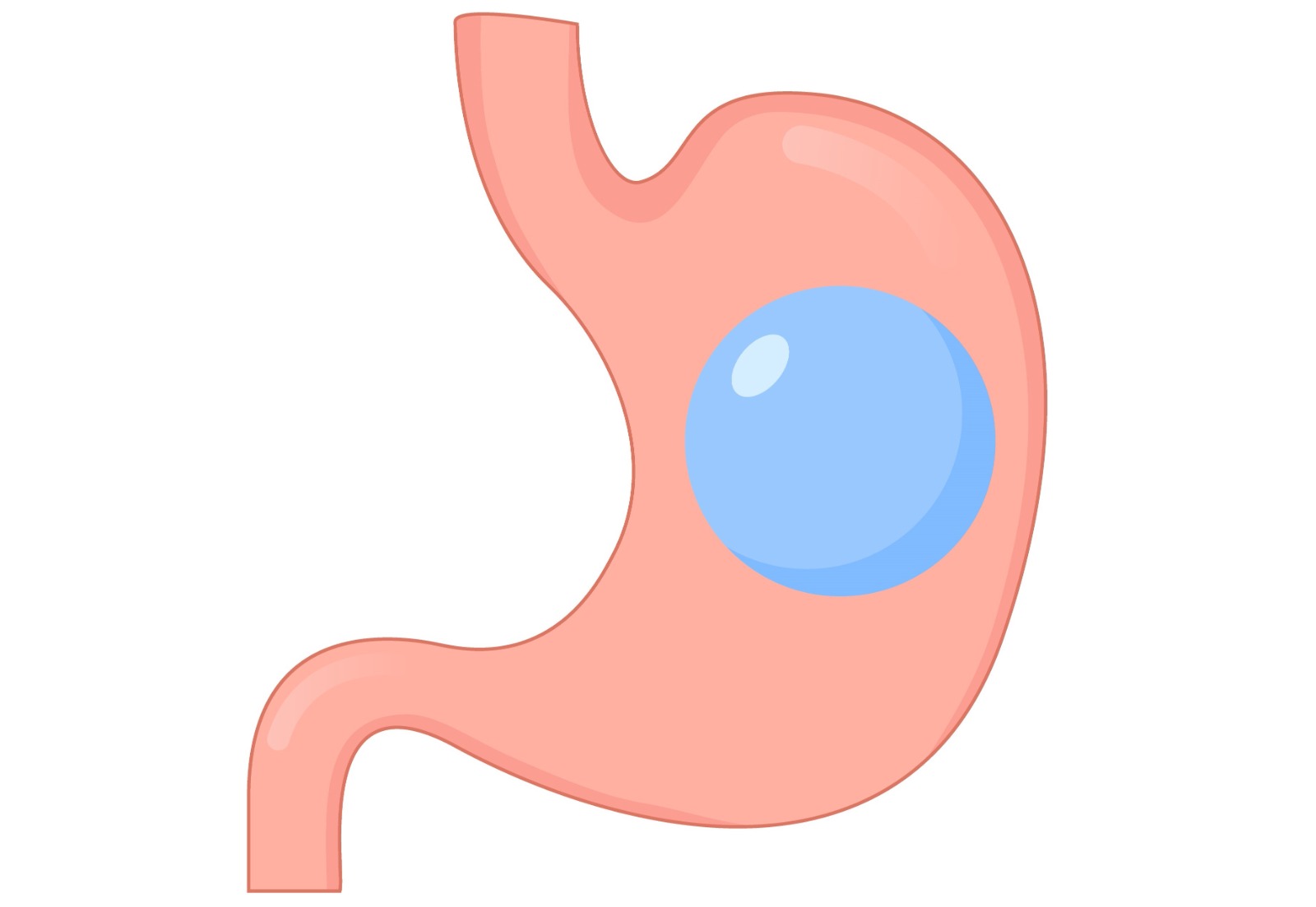
The 12-month gastric balloon is a device used for weight loss, which is placed in the stomach and inflated to increase the feeling of fullness of the stomach. Unlike traditional gastric balloons, this type of balloon has a structure that can remain in the stomach for 12 months. In addition, the most important feature is that the volume of fluid inside is adjustable. Gastric balloon is a weight loss method that is placed and removed without surgical intervention. It offers an alternative solution for individuals who struggle with obesity, do not prefer surgical methods or are not suitable for surgical intervention.
The purpose of a gastric balloon is to partially fill the stomach volume so that the person eats less food. Restricting food intake helps with weight loss by reducing daily calorie intake. The 12-month gastric balloon can remain in the stomach for a longer period of time compared to other short-term balloons. This prolonged use makes the weight loss process more sustainable and gives individuals more time to change their habits and control their weight. The benefit to be expected from a gastric balloon should be considered in two steps. The gastric balloon takes up space inside your stomach, allowing you to adapt to your new diet and eating pattern. It also plays a key role in the continuity of your new lifestyle with the establishment of this order. So how much weight can a person lose with a gastric balloon? The expected weight loss potential of gastric balloons is for people to lose 10-15% of their current weight. Although this rate varies from person to person, academic publications show that the average weight loss is in the range of 15-18 kg. Weight loss potential is also related to the age, gender, diseases and medications used by the patient.
The 12-month gastric balloon is inserted through endoscopy. During this procedure, the patient is asleep under light sedation, meaning that he/she does not feel pain. The balloon is inserted into the stomach with the help of an endoscope and then inflated with a sterile liquid. The balloon creates a feeling of fullness by taking up volume in the stomach. It takes about 10-15 minutes to insert the balloon into the stomach. At the end of 12 months, the balloon is again removed endoscopically.
The 12-month gastric balloon is suitable for people with a body mass index (BMI) between 27-40, who have difficulty losing weight with diet and exercise, but are not suitable for surgical operations or do not prefer them even if they are suitable. This method also offers an option for people who are not particularly suitable for bariatric surgery or who need to lose weight before surgery. However, before the gastric balloon is inserted, the general health status of the patient is evaluated and it is decided whether it is suitable or not. The gastric balloon is not suitable for people with stomach or esophageal disease, previous weight loss surgery such as stomach surgery, sleeve gastrectomy or gastric bypass, or serious stomach problems such as ulcers. In people with gastric ulcer, the patient is re-evaluated by his/her own doctor after the treatment of the ulcer and the balloon can be applied. In addition, gastric balloons cannot be inserted in patients with large stomach hernia (hiatal hernia) or patients who have undergone surgery for this disease. People who use high amounts of blood thinners for any reason are also not given a balloon. However, it would be better to consult your doctor about these medications.
One of the biggest advantages of the 12-month gastric balloon is that the weight loss process is spread over the long term. Compared to 6-month balloons, this balloon stays in the stomach for a longer period of time, providing enough time for the person to change their habits. During this period, patients can maintain their diet and exercise habits and learn the lifestyle changes needed for permanent weight loss. Moreover, the fact that the balloon is a non-surgical method makes it an attractive option for patients who want to avoid surgical risks.
As with any medical intervention, the 12-month gastric balloon carries some risks. Side effects such as nausea, vomiting and stomach discomfort may occur in the first few days after insertion. These symptoms usually go away quickly, but may last longer in some patients. There is also a rare risk of the balloon deflating spontaneously. In this case, the balloon must be removed immediately. There is also a risk that the balloon can cause gastric edema, gastritis and blockage of the stomach or intestines. It is therefore important that patients see their doctor regularly.
Conclusion
The 12-month gastric balloon can be an effective option for individuals who want to lose weight. This method, which does not require surgical intervention, supports the weight loss process in the long term and helps people gain healthy living habits. However, since each patient’s situation is different, it is important to consult a healthcare professional and make a detailed evaluation before the gastric balloon application.
A gastric balloon is a non-surgical method to help with weight loss. In recent years, it has become increasingly preferred in the fight against obesity. The 12-month gastric balloon contributes to patients reaching their weight loss goals by offering longer-term treatment. Well, the 12-month gastric balloon will give information about what the 12-month gastric balloon is, how it is applied and the stages of the process.
A gastric balloon is a silicone balloon that is inserted into the stomach and inflated, usually endoscopically. By filling part of the stomach, this balloon helps the patient to consume less food and therefore lose weight. Unlike other gastric balloons, the 12-month gastric balloon can stay in the stomach for a longer period of time. This offers patients a more sustainable weight loss program and supports the process of adapting to lifestyle changes.
Pre-assessment:
Before gastric balloon application, the general health status of the patient is evaluated. Considering the patient’s weight status, degree of obesity, medical history and existing health problems, it is determined whether the patient is suitable for gastric balloon treatment. In addition, for the gastric balloon to be effective, the patient’s determination and willingness to change their lifestyle along with diet is important.
Preparation:
Before starting the treatment process, the patient undergoes some tests. In particular, it is checked whether there are any problems with the stomach and intestines. The history of surgery and drug use is checked. Preferably, the patient is asked to have recent blood tests. In this way, the chances of diagnosis against unknown diseases and how much well-being individuals with diseases such as diabetes and cholesterol have reached at the end of the process can be revealed. The balloon application starts with an endoscopic evaluation, which also shows whether there is any disease in the esophagus and stomach.
In addition, the patient should fast for a certain period of time before the gastric balloon procedure. At least 6 hours of fasting ensures that the procedure can be performed safely. There are also pre-medications for complaints such as nausea and vomiting. Your doctor will decide which medications are suitable for you before the procedure.
Implementation phase:
The 12-month gastric balloon is inserted endoscopically. The procedure is usually performed under sedation while the patient is in a deep sleep, so that the patient does not feel pain or discomfort. The stomach is evaluated through a thin, flexible tube with a camera and light at the end, called an endoscope, and then the gastric balloon is delivered to the stomach with the endoscope and the balloon is inserted into the stomach. The balloon is then inflated to the targeted volume with a sterile liquid. The inflated balloon covers a significant portion of the stomach, increasing the patient’s feeling of fullness and helping them to eat less. This procedure usually takes 15-20 minutes and does not require hospitalization. Patients can be discharged the same day.
In the first few days after gastric balloon placement, patients may experience mild nausea, abdominal pain and a feeling of bloating. This is a natural result of the stomach getting used to the balloon and usually passes within a few days. During this period, the doctor will prescribe the necessary medication. It is important that the medications are used regularly. Nutritional recommendations are also given and followed by the bariatric dietitian. Patient compliance increases when the patient is aware of what may happen after the balloon is inserted and is prepared for it. In addition, the patient is closely monitored by our team and made to feel that he/she is not alone.
In the first week, a diet that includes an acclimatization period from liquid diet to solid food is applied. The weight loss process is supported by applying a balanced nutrition program and exercise plan under the control of a dietician. It is important for patients to avoid high-calorie and fatty foods while the gastric balloon is in place. It is especially important to stay away from liquid and high-calorie drinks and foods.
– Longer lasting effect: While other gastric balloons usually stay for 6 months, the 12-month gastric balloon offers a longer-lasting solution. This gives patients time to lose more weight and adapt better to their new lifestyle. In addition, since the volume in the balloon can be adjusted without changing the balloon, the balloon can be inflated a little more after a certain period of time and make an additional contribution to the weight loss period.
– It does not require surgical intervention: Since gastric balloon insertion and removal is performed endoscopically, it carries less risk compared to surgery.
– Weight loss motivation: Provides motivation for patients to make healthy lifestyle changes while ensuring effective weight loss in the long term.
Conclusion
The 12-month gastric balloon stands out as a non-surgical, effective and long-lasting weight loss method. Although the application process is relatively simple, patients need to comply with diet, exercise and lifestyle changes to achieve successful results. Gastric balloon treatment is an important option to improve the quality of life of overweight individuals and help them achieve a healthy body weight.
Today, obesity has become one of the most important health threats. Excess weight not only affects physical appearance, but can also lead to serious health problems such as heart disease, diabetes, hypertension and joint disorders. Therefore, losing weight is the key to a healthy life. Among non-surgical weight loss methods, gastric balloon application is an increasingly preferred effective method. Especially the 12-month gastric balloon stands out in terms of supporting the longer-term weight loss process. So, what are the advantages of the 12-month gastric balloon? Here are some important benefits of this method:
Longer Lasting Effect
The 12-month gastric balloon, as the name suggests, is a type of balloon that can remain in the stomach for 12 months. While standard gastric balloons are usually placed in the stomach for 6 months, the 12-month gastric balloon offers the patient the opportunity to lose weight for a longer period of time. By staying in the stomach for a longer period of time, it makes the weight loss process gradual and sustainable. This allows more time for patients to permanently change their habits and adopt a new lifestyle.
No Surgical Procedure Required
The 12-month gastric balloon procedure is not a surgical procedure. The balloon is inserted into the stomach and inflated by endoscopy. Likewise, at the end of the procedure, the balloon is removed endoscopically again. This procedure does not require general anesthesia, accelerates the healing process of patients and eliminates surgical risks. Since it is a non-surgical method, it is an ideal solution for individuals who want to lose weight but do not want to undergo surgery.
Longer Duration, Higher Weight Loss Potential
Compared to standard gastric balloons, the 12-month gastric balloon stays in the stomach longer, so the total amount of weight lost can potentially be higher. During this period, the individual has the opportunity to change their eating habits and lifestyle in a more permanent way. For long-term weight control, this period is critical for the individual to adopt the new lifestyle. The one-year period allows patients to lose more weight and helps to maintain the weight lost.
Diet and Exercise Support
Although the 12-month gastric balloon application alone does not create a miracle, it provides a serious support to patients. The gastric balloon reduces the volume of the stomach, allowing the person to feel full more quickly with less food. However, it should be supported with diet and exercise for effective and permanent weight loss. At this point, during the 12-month period, patients can maintain healthy eating habits as they are under the control of a dietician and doctor. Following a diet program and exercising regularly during this period accelerates the weight loss process and makes it permanent.
Few Side Effects
One of the biggest advantages of the 12-month gastric balloon is that the side effects are usually mild and temporary. Although side effects such as nausea and mild abdominal pain may be seen in the first days, these symptoms usually disappear in a short time. In addition, since it is not a surgical procedure and no incision is made, the risk of complications that may develop due to operations is lower. After the gastric balloon procedure, most patients can quickly return to their daily lives.
Psychological Support and Motivation
The process of losing weight is not only a physical struggle, but also a psychological journey. The 12-month gastric balloon can increase personal motivation in this process, as it offers patients a long-term solution. Individuals who make a reversible change in their bodies for the purpose of weight loss may have much higher motivation. Individuals who carry a gastric balloon for a longer period of time gain self-confidence as they lose weight and may be more motivated to adopt lifestyle changes. At the same time, receiving continuous support from specialized doctors and dietitians in this process makes the weight loss process of patients easier and more effective.
Changing body perception, the potential for healing of diseases on the way to weight loss and socialization in life are accompanied by positive changes in psychological mood. Psychological support is also a good option in this process. It is a mistake to reduce our physical health only to appearance and weight. Getting support for changes in stress, depression and eating habits provides a more confident and balanced process in achieving goals.
Conclusion
The 12-month gastric balloon is an effective method in the fight against obesity. While supporting the long-term weight loss process, it stands out with its advantages such as not carrying surgical risk, providing higher weight loss and having mild side effects. However, each patient’s situation is different and you should definitely consult a specialist doctor to find out whether the gastric balloon application is suitable for you. For a healthy and permanent weight loss, it is essential to support gastric balloon treatment with a balanced diet and regular exercise.
The 12-month gastric balloon is a frequently preferred method as a non-surgical option in the treatment of obesity. This balloon is inserted endoscopically into the stomach and, due to its volume, allows the person to feel full with less food. However, as with any medical procedure, the gastric balloon has some risks and side effects.
Although gastric ballooning is generally considered a safe procedure, as with any non-invasive medical intervention, there are certain risks. The following risks may be encountered during or after the procedure:
Nausea and Vomiting:
The most common side effect after gastric balloon placement is nausea and vomiting. Especially in the first few days, while the gastric balloon adapts to the stomach, patients may experience severe nausea. This usually passes within a week and can be controlled with medication prescribed by the doctor.
Abdominal Pain
Discomfort and pain in the abdominal area are common after gastric ballooning. This pain is mostly temporary and decreases as the gastric balloon adapts to the structure of the stomach. However, if the pain persists for a long time, it may need to be evaluated by a doctor.
Acid Reflux
Acid reflux complaints may increase in patients after gastric balloon placement. This condition, which occurs when stomach acid escapes into the esophagus, can cause burning sensation and discomfort. Antacid medications recommended by the doctor can help alleviate this condition.
Stomach Ulcers and Inflammation:
Long-term use of a gastric balloon can cause irritation of the stomach lining. This can lead to serious stomach problems such as ulcers or inflammation. This risk may increase especially if the gastric balloon is left in the stomach for longer than the recommended time. Therefore, the recommended time for removing the balloon should be strictly adhered to.
In rare cases, a gastric balloon can lead to serious complications. These complications include the following:
Self-deflation of the balloon:
In rare cases, a gastric balloon can deflate. If the balloon bursts and deflates, it can leave the stomach and travel to the intestines and cause intestinal obstruction. In such a case, emergency surgery may be required. A burst balloon is usually detected by a blue liquid placed in the balloon, which will change the color of the urine. If a sudden change in urine color is noticed, the doctor should be contacted immediately.
Infection
Although endoscopic procedures are performed under sterile conditions, the risk of infection cannot be completely eliminated. After the gastric balloon is inserted, there is a risk of infection in the stomach or intestines. Symptoms of infection may include fever, abdominal pain and weakness. In such cases, medical attention should be sought urgently.
Stomach Perforation
Although very rare, a gastric balloon can injure the stomach wall and lead to perforation (tearing). This can cause stomach contents to leak into the abdominal cavity and is a serious, life-threatening condition. When symptoms such as severe abdominal pain, nausea, vomiting and fever occur, emergency surgery may be required.
Side Effects
After gastric balloon placement, some patients may experience side effects that may affect daily life. These side effects are usually experienced as the balloon gets used to the stomach, and they usually subside over time. Common side effects include:
– Diarrhea or constipation: The digestive system may vary in response to the balloon. Some patients may experience diarrhea, while others may experience constipation.
– Gas and bloating: A gastric balloon can cause gas and bloating. This can be controlled with dietary changes and stomach acid regulating medications.
– Stagnation of Weight Loss: Patients who lose weight rapidly in the first months may experience a slowdown in weight loss later on. This may be due to the decreasing effect of the gastric balloon.
Conclusion
The 12-month gastric balloon is considered an effective method of treating obesity. However, like any medical intervention, this procedure carries risks. Although side effects are usually mild and temporary, serious complications can occur, albeit rarely. Therefore, all risks and side effects should be discussed in detail with the doctor before the gastric balloon procedure and the treatment process should be carefully monitored.
There are various methods in the weight loss journey and the gastric balloon stands out as one of these methods. The gastric balloon offers an effective solution to help with weight loss without the need for surgery. In recent years, 12-month gastric balloons have become popular, especially for people who aim for longer-term weight loss. So, who can choose this method? Here are the criteria to help determine who is suitable for a 12-month gastric balloon.
People with a Body Mass Index (BMI) over 27
The 12-month gastric balloon is generally recommended for people with a body mass index (BMI) above 27. BMI is used to measure a person’s level of obesity by measuring their body weight in proportion to their height. Although obesity can be seen as an aesthetic problem, it is actually a condition that can lead to serious health problems. The gastric balloon is an ideal option for people who have difficulty losing weight with diet and exercise and are looking for a less invasive solution. It is generally not recommended for people with a BMI below 27, in which case doctors may offer different weight management strategies.
Those Who Want to Avoid Surgical Intervention
The gastric balloon is a good alternative for individuals who want to avoid surgery because it does not require a surgical procedure. Bariatric surgical procedures such as gastric bypass or gastric sleeve are invasive, that is, irreversible and interventional procedures, and each surgery carries its own risks. The gastric balloon consists of a balloon that is inserted into the stomach through endoscopy and fills approximately 40-50% of the stomach after the procedure, creating a feeling of satiety. The 12-month gastric balloon is an attractive option for those looking for a long-term solution that does not require surgery, as it supports the weight loss process longer than shorter-term balloons.
Those in Need of Fast Weight Loss
A 12-month gastric balloon may be suitable for people who want rapid weight loss in the short term. For example, overweight people may need to lose weight urgently due to certain health problems (e.g. diabetes, hypertension or heart disease). In such cases, the gastric balloon can improve the health status of individuals by accelerating weight loss. However, it is important to remember that this method is not a “miracle” and one should also focus on healthy lifestyle changes.
Those Who Cannot Lose Enough Weight Through Diet and Exercise
Diet and exercise are the two most basic tools in the weight loss process. However, some individuals may not achieve the results they want despite sticking to these methods. In this case, the gastric balloon can be used to accelerate weight loss and provide additional support to individuals. The 12-month gastric balloon, when used in combination with diet and exercise, can help individuals achieve their goals. The gastric balloon provides support not only physically but also psychologically; experiencing a feeling of satiety with smaller portions can increase an individual’s motivation.
People Who Can Adapt to Lifestyle Changes After Gastric Balloon
The gastric balloon can be a tool that provides individuals with rapid weight loss, but the success of this process depends entirely on the person’s adaptation to lifestyle changes. After the gastric balloon is inserted, individuals need to change their eating habits, consume healthier foods and incorporate exercise into their daily routine. In addition, maintaining these habits even after the gastric balloon is removed will prevent the weight lost from being regained. Therefore, the gastric balloon is not only a physical tool, but also a process in which the individual must show that they are mentally and emotionally ready for weight management.
Conclusion
The 12-month gastric balloon is an ideal solution for people who want to lose weight for a long time with a non-surgical method, whose BMI is above 27 and who cannot lose enough weight with diet and exercise. Those who prefer this method need to adapt to lifestyle changes and develop healthy habits for long-term success. As each individual’s needs are different, it is essential to consult with a health professional to determine whether a gastric balloon is appropriate.
Gastric ballooning has gained popularity in recent years as a non-surgical, temporary weight loss method for the treatment of obesity. The 12-month gastric balloon procedure offers a longer-term treatment than traditional 6-month balloons, giving patients more time to achieve their weight loss goals. In this process, the gastric balloon is placed inside the stomach and reduces its volume, allowing the individual to consume less food. However, this process is not limited to the placement of the balloon; it is supported by lifestyle changes, diet and exercise programs. Here is how the 12-month gastric balloon application progresses step by step and what should be considered during the recovery process:
Gastric Balloon Procedure
Gastric ballooning is performed by an endoscopic procedure. Before the procedure, the patient is administered sedative and sedative drugs. Then, with the help of an endoscope, a deflated balloon is inserted into the stomach through the mouth. After the balloon is placed in the stomach, it is inflated with a sterile liquid to reach the desired size. This procedure usually takes 15-20 minutes and since it does not require surgical intervention, the patient can return home the same day.
First Week Adaptation Process
The first week after the gastric balloon is inserted is the time for the body to get used to this foreign body. In the first few days, side effects such as nausea, cramps, bloating and sometimes vomiting may occur. These symptoms usually subside within a few days and can be controlled with medication prescribed by the doctor. A liquid diet is recommended during the first week. Towards the end of the first week, solid foods are gradually introduced. In this process, it is important to avoid solid foods while consuming liquids such as water, soups and herbal teas. This stage is critical to acclimatize the stomach to the balloon.
First Month: Start of Weight Loss
At the end of the first week, the body starts to adapt to the balloon and the patient can transition to solid foods. Gradually, the diet starts with pureed foods and progresses to normal foods under the control of the doctor and dietitian. By the end of the first month, patients usually feel the effects of the balloon and notice an increased feeling of satiety and a decrease in appetite. At this stage, the rate of weight loss is also at a high level and patients start to gain motivation.
3-6 Months: Advanced Weight Loss
During this period, the gastric balloon continues to function actively in the patient’s stomach. Compliance with diet and exercise programs is important to ensure maximum weight loss during this period. While a balanced nutrition plan is created with the guidance of dieticians, regular exercise contributes to the weight loss process. Between 3 to 4 months, patients usually experience the most weight loss and lifestyle changes become a habit during this period. During these months, in order to increase the effect of the balloon, the fluid in the balloon can be slightly increased and its function can be updated without changing the balloon by endoscopy. In this way, higher weight loss is targeted in the long term.
9-12 Months: Stabilization and Preparation
During the last period of gastric ballooning, patients enter a stable period of weight loss. During this period, patients strive to maintain their new weight and make their lifestyle changes permanent. At the end of 12 months, the balloon is removed endoscopically. This procedure is as simple as placing the balloon and patients can usually leave the hospital on the same day. Optionally, in patients who have reached their target weight, the gastric balloon can be removed at 8-9 months. The gastric balloon can also be removed by endoscopy at 8-9 months.
Recovery and Outcome
After removal of the gastric balloon, patients can resume their normal lives. However, it is very important to maintain diet and exercise habits for permanent weight control. Returning to old habits after removal of the balloon can lead to weight regain. Therefore, the long-term success of the gastric balloon procedure is directly related to how much the patient changes his/her lifestyle.
As a result, the 12-month gastric balloon procedure provides patients with a long-term support for weight loss. This process is not limited to the placement of a balloon, but also includes diet, exercise and psychological support. The weight loss process may vary from person to person, but it is possible to achieve successful results when implemented with the right plan.
What are the 12-month post gastric balloon nutrition and lifestyle changes?
Gastric balloon application is an effective aid in the weight loss journey. In particular, the 12-month gastric balloon helps a person achieve their weight loss goals for a year. However, the sustainability of weight loss and the preservation of general health in this process depends on the careful implementation of nutrition and lifestyle changes. Here are the points to be considered regarding nutrition and lifestyle changes after 12-month gastric balloon.
One of the biggest changes after gastric balloon procedure is eating habits. People should learn to make do with smaller portions as the gastric balloon reduces the stomach volume. Below are important tips for nutrition after gastric balloon:
Smaller Portions
Since the gastric balloon covers part of the stomach, food consumption is limited. Therefore, portions should be reduced. Avoid overloading the stomach by consuming small portions at meals. At the same time, chewing food slowly and thoroughly facilitates digestion and increases the feeling of satiety.
High Protein Foods
High-protein foods are very important for people undergoing gastric ballooning. Protein helps to maintain muscle mass and promote fat loss during weight loss. Protein-rich foods such as chicken, fish, eggs, yogurt and low-fat cheese should be preferred. Protein supplements can also be added to your diet.
Balanced Carbohydrate Consumption
Carbohydrate intake should be limited and healthier carbohydrate sources should be preferred. Processed and refined carbohydrates should be avoided in favor of whole grains, vegetables and fruits. This contributes to balanced blood sugar and a long-lasting feeling of satiety.
Oil Selection
Healthy fats should be preferred. Use healthy sources of fat such as olive oil, avocados, coconut oil and walnuts, and avoid saturated fats and trans fats. A balanced fat intake provides energy and protects overall health.
Liquid Consumption
Fluid intake is very important after gastric balloon. However, fluid consumption with meals should be avoided. Drinking water 30 minutes before or after meals makes eating more comfortable as it does not fill the stomach. Aim to consume at least 1.5-2 liters of water a day.
A gastric balloon not only helps with weight loss, but also provides an opportunity to adopt a healthy lifestyle in the long term. Here are the lifestyle changes that should be made after a gastric balloon:
Regular Physical Activity
Diet alone is not enough to lose weight with a gastric balloon; regular exercise is also important. At least 150 minutes of moderate exercise (walking, swimming, cycling) per week is recommended. Strength training should also be added to maintain muscle mass and speed up metabolism.
Regular Sleep
Sleep is an often overlooked factor in weight management. Ensuring regular and quality sleep after a gastric balloon helps the body recover and maintains hormone balance. The recommended sleep duration for adults is 7-9 hours a day.
Stress Management
Stress is a factor that makes weight management difficult. After a gastric balloon, methods to cope with stress should be developed. Relaxation techniques such as yoga, meditation or breathing exercises play an important role in the weight loss process.
Psychological Support
The process of losing weight can sometimes be challenging. Working with a dietitian or psychologist during this process can help you both to establish eating habits and to get through the process more easily emotionally. It is important to keep motivation high to achieve weight loss goals.
Conclusion
After 12 months of gastric balloon treatment, nutrition and lifestyle changes are the key to successful and permanent weight loss. Adopting a balanced diet with small portions, high protein nutrition, healthy fat and carbohydrate selection, adequate fluid intake are indispensable elements of the weight loss process. Likewise, regular exercise, sleep, stress management and psychological support make weight management easier and more sustainable. The results of the gastric balloon depends on how much the person adapts these changes to his/her life.
Gastric ballooning is one of the non-surgical methods used in the treatment of obesity. This method aims to reduce the volume of the stomach by means of a silicone balloon placed in the stomach. The balloon fills part of the stomach, creating a feeling of being full more quickly with less food. The 12-month gastric balloon is a type of balloon that supports the weight loss process of patients for a longer period of time and has become more preferred in recent years thanks to its advantages. So, how much weight can be lost with a 12-month gastric balloon?
Gastric Balloon and Weight Loss
The gastric balloon helps patients lose weight and adopt a healthy lifestyle at the same time. Weight loss is directly related not only to the effect of the balloon, but also to the changes in the patient’s diet and lifestyle. With the support of a dietician and regular exercise, the gastric balloon method becomes much more effective. However, the amount of weight loss varies from person to person. With a 12-month gastric balloon, an average weight loss of 10% to 20% of the initial body weight is targeted. For example, a patient who initially weighs 100 kilograms may experience a weight loss of 10 to 20 kilograms with a 12-month gastric balloon.
Advantages of the 12-Month Gastric Balloon
Compared to other types of gastric balloons, the biggest advantage of the 12-month gastric balloon is its long duration. While gastric balloons are usually placed for 6 months, the 12-month balloon stays in the stomach for a longer period of time, making the weight loss process more effective. During this longer period, patients can make their diet and exercise habits more sustainable. In addition, regular follow-up and guidance by health professionals during this period supports the weight loss journey of patients.
Each individual’s metabolism, eating habits and lifestyle are different. For this reason, it cannot be expected that every patient with gastric balloon placement will lose the same amount of weight. Some of the main factors affecting the amount of weight loss are as follows:
Starting Weight: Starting weight can be a major factor in the weight loss process. Patients with more weight may initially lose more weight.
Nutrition Habits: A healthy and balanced nutrition program is the basis of the weight loss process. It is of great importance for patients with gastric balloon to regulate their eating habits.
Exercise: Regular physical activity can accelerate weight loss and help maintain weight loss.
Age and Metabolism: Metabolic rate slows down as we age, which can make it harder to lose weight. However, this negative effect can be minimized with regular exercise and proper nutrition.
Psychological Factors: The process of losing weight is not only a physical but also a psychological challenge. Factors such as stress, emotional eating habits and lack of motivation can make weight loss difficult.
12-month gastric balloon implanted patients should maintain healthy lifestyle habits after the balloon is removed. Although the balloon makes weight loss easier, true success is harder to achieve without lifestyle changes. After removal of the gastric balloon, you have three paths ahead of you. The first is to continue the weight loss pattern and lose some more weight with lifestyle changes. The second is to continue living at a constant weight with the continuation of lifestyle habits. The third and most undesirable is to regain some of the weight lost. For this reason, it is of great importance for patients with gastric balloon placement to stick to their diet and exercise programs for permanent weight loss.
As a result, although the 12-month gastric balloon weight loss process varies depending on personal factors, patients can achieve their targeted weight loss thanks to disciplined diet and exercise programs. This method, when applied correctly, can have positive results both physically and psychologically.
What are the 12-month gastric balloon prices and insurance coverage?
Gastric balloon is an effective method that does not require surgical intervention in the treatment of obesity and helps to lose weight. Especially the 12-month gastric balloon is a treatment tool that can remain in the stomach of patients for a year and supports weight loss in this process. The cost of this method varies depending on many factors. However, the gastric balloon procedure is generally not covered by insurance.
What is a Gastric Balloon and How is it Applied?
A gastric balloon is an inflatable device inserted endoscopically into the stomach. The balloon, which is inserted into the stomach, narrows the stomach volume, allowing the person to feel full with less food and thus aiding weight loss. The procedure takes about 15-20 minutes and patients can usually return home the same day. The 12-month gastric balloon helps patients achieve their weight loss goals by supporting them with diet and exercise programs during this process.
Factors Affecting Price
Gastric balloon prices may vary depending on many factors. These include the material of the balloon, the technology used, the quality of the hospital and the services offered to the patient.
Balloon Material: One of the most important factors affecting the price of gastric balloons is the quality of the material used. It is critical that the balloon is made of original, reliable and health-friendly materials. In addition, the fact that gastric balloons have FDA (American Food and Drug Administration) and CE approval is an important criterion for safety and effectiveness. FDA-approved balloons are products that have been proven to be reliable through long-term clinical tests. Therefore, whether the gastric balloon is imported and according to which standards it is produced can have a direct impact on the price.
Hospital and Clinic Quality: The quality of the health institution where the gastric balloon will be inserted is another important factor affecting the price. Factors such as the services offered by the hospital, the equipment and the experience of the staff affect the success rate of the procedure and patient satisfaction. For example, a well-equipped hospital can make gastric balloon insertion safer and reduce the risk of complications. In such high-end healthcare facilities, the costs of the procedure may be higher than in less well-equipped clinics.
Specialist Physician and Follow-up Process: The experience and competence of the doctor performing the gastric balloon procedure is an important factor on the price. Processes carried out by specialist doctors and a multidisciplinary team ensure that patients have a safer weight loss journey. In addition, nutritional counseling, regular doctor checks and follow-up sessions after the gastric balloon is inserted are also included in the cost. Therefore, the scope and quality of the services offered after the balloon insertion play a decisive role in the price.
Insurance Coverage
In Turkey, private health insurances generally do not cover obesity treatments such as gastric ballooning. Since obesity treatments are often considered as aesthetic or weight loss procedures, insurance policies exclude such interventions. Insurance companies may not consider the gastric balloon procedure as a health requirement, but rather as a lifestyle choice. For this reason, obesity treatments such as gastric ballooning are usually not covered in insurance policies.
In some exceptional cases, if a gastric balloon has been recommended because of serious health problems related to obesity (for example, diabetes or hypertension), then it may be necessary to make a special arrangement with your insurance company. In general, however, it is highly unlikely that insurance will cover the costs of a gastric balloon.
Before and After Gastric Balloon Procedure
Before the gastric balloon procedure, patients must undergo a detailed health screening. These scans are performed to determine that the gastric balloon can be safely applied and possible risks can be minimized. After the procedure, the weight loss process of the patients is closely monitored. With dietician and doctor controls, healthy weight loss is ensured and the risk of complications is minimized.
Conclusion
The 12-month gastric balloon is an effective option for those who want to lose weight without the need for surgical intervention. However, the price of this procedure depends on various factors such as the material quality of the balloon used, whether it is imported, FDA approved, CE certified and the equipment of the hospital performing the procedure. In addition, gastric balloon applications are generally not covered by insurance companies. It is recommended that people who are considering having the procedure should consider the costs and examine their insurance policies in this context.
What are the differences between a 12-month gastric balloon and other types of gastric balloons?
Gastric balloons are one of the important methods that help to lose weight without surgical intervention in obesity treatment. These balloons, which temporarily reduce the stomach volume and allow the person to experience a feeling of satiety with less food, are available in different durations and features. One of them is the 12-month gastric balloon, which differs from other balloons by factors such as duration, procedure method and adjustability. Now we will examine the differences of the 12-month gastric balloon from other gastric balloons in detail.
Duration of Use
One of the most important differences between gastric balloons is the duration of stay in the stomach. While standard gastric balloons usually have a 6-month usage period, the 12-month gastric balloon, as the name suggests, stays in the stomach for 1 year. This allows patients to achieve their weight loss goals over a longer period of time. Especially for patients who need to lose more weight or want to control weight loss in the longer term, the 12-month balloon offers a great advantage.
Stable Weight Loss Process
The ability of the 12-month gastric balloon to stay in the stomach for a longer period of time can ensure a more stable weight loss. The 12-month balloon provides a more sustainable weight loss by spreading this process over a longer period of time. This can help patients to permanently change their lifestyle and eating habits. It is an ideal method for patients who want to gain healthier habits in the long term.
Control and Follow-up Process
The 12-month gastric balloon stays in the stomach for a longer period of time, requiring a longer follow-up and control process. Compared to 6-month balloons, it is recommended that patients with a 12-month gastric balloon go to doctor controls at regular intervals and receive dietitian support. This ensures that problems that may be encountered during the weight loss process are recognized early and helps to carry out a more effective treatment process.
Cost
12-month gastric balloons are generally more costly than other gastric balloons because they stay in the stomach for longer. However, long-term use offsets this cost by reducing the need for patients to have the balloon inserted repeatedly. In addition, the weight loss and health benefits achieved during this period suggest that the high cost is affordable.
Target Patient Group
12-month gastric balloons are generally recommended for patients who need more weight loss and want to spread this process over a longer period of time. This balloon, which is an ideal option for individuals with high body mass index (BMI), both ensures that the weight loss process proceeds more safely and allows patients more time to transition to a healthy lifestyle.
Differences with Swallowable Gastric Balloon
The swallowable gastric balloon is a type of gastric balloon that does not require anesthesia and endoscopy. This balloon can be swallowed by patients with water and does not require any surgical intervention to be placed in the stomach. After the swallowable gastric balloon stays in the stomach for 16 weeks, it deflates spontaneously and is excreted through the intestine. In contrast, the 12-month gastric balloon is inserted into the stomach by endoscopy and removed by an endoscopic procedure. This requires a short period of anesthesia during the procedure. Furthermore, while swallowable balloons offer a shorter-term treatment option, the 12-month balloon is preferred for patients aiming for longer-term weight loss.
Adjustable Feature
Another important difference of the 12-month gastric balloon from other balloon types is that it has an adjustable feature. This balloon can be inflated a little more with an endoscopic intervention after a period of 3-4 months after it is placed in the stomach. In this way, the effectiveness of the balloon can be increased and the weight loss process is further supported. The adjustable feature allows the treatment to be optimized according to the patient’s needs, which helps the weight loss process to be more efficient.
Psychological Preparation and Adaptation Process
The 12-month gastric balloon is a method that requires not only physical but also psychological preparation. Spreading the weight loss process over a longer period requires patients to keep their motivation high and adapt to lifestyle changes. Compared to 6-month gastric balloons, patience and determination are more important in 12-month balloons. Getting professional support in this process contributes greatly to patients reaching their goals.
Conclusion
The 12-month gastric balloon offers a longer-term treatment option than other gastric balloons, which can make the weight loss process more stable and permanent. It is an ideal solution, especially for patients who need to lose more weight or want to keep weight loss under control in the long term. However, factors such as cost, follow-up process and adjustable feature of this long-term use should be taken into consideration. Which gastric balloon to choose should be based on the individual needs of the patient and the doctor’s recommendations.
Possible complications in 12-month gastric balloon procedure and how to prevent them?
The 12-month gastric balloon is an effective and minimally invasive method used for weight loss. By temporarily reducing the volume of the stomach, this procedure creates a feeling of fullness and supports weight loss of individuals. However, as with any medical procedure, there are some potential complications with gastric ballooning. In this article, we will focus on the complications that may be encountered in the 12-month gastric balloon procedure and how they can be prevented.
Possible Complications
Nausea and Vomiting
After the insertion of the gastric balloon, most patients may experience nausea and vomiting. This usually occurs as the body adjusts to the balloon and may persist for the first few days. Nausea and vomiting are caused by the pressure of the balloon on the stomach and usually decrease as the stomach adjusts.
Prevention: Since such symptoms are usually short-lived, doctors prescribe antiemetic (anti-nausea) medication for a few days after the procedure. Eating small and frequent meals that do not irritate the stomach can also help to alleviate these symptoms.
Stomach Ulcer and Gastritis
A gastric balloon can cause irritation of the stomach wall, leading to gastritis or stomach ulcers. These complications can occur as a result of increased stomach acid or movement of the balloon inside the stomach.
Prevention: Patients should take gastroprotective medications such as proton pump inhibitors (PPIs) to reduce stomach acid. If the patient has a history of ulcers or gastritis, they should undergo a detailed evaluation before the balloon procedure.
Balloon Bursting or Deflating
Very rarely, there is a possibility that the gastric balloon may burst or deflate. In this case, the balloon can pass into the intestines and cause intestinal obstruction. A burst balloon is usually detected when a colored dye added to the liquid used passes into the urine.
Precaution: Quality and certified balloons should be preferred to minimize the risk of the balloon bursting. Balloons without a certificate and approval, so to speak, under the stairs, should not be used. The fact that the individual to be treated in this regard is also questioning will increase the safety of the procedure. In addition, having the balloon application performed by an experienced physician reduces this risk. If you suspect that the balloon has burst, you should immediately consult a health institution.
Intestinal Obstruction
If a burst or deflated balloon travels into the intestines, this can cause intestinal obstruction. This is a serious condition that requires urgent surgical intervention and is usually characterized by symptoms such as severe abdominal pain, vomiting and gas stoppage.
Precautions: In order to reduce the risk of intestinal obstruction, the balloon should be carefully placed and monitored. The condition of the balloon should be monitored with regular check-ups, and people should attend regular follow-ups or participate in online follow-ups. In case of any abnormal situation, the patient should contact his/her doctor and consult a healthcare provider.
Reflux
A gastric balloon can cause reflux by increasing intragastric pressure. In this case, stomach acid escapes into the esophagus and causes a burning sensation in the chest and stomach pain.
Prevention: To prevent reflux, it is recommended not to eat before bedtime and to avoid acidic foods and drinks. At the same time, stomach acid can be kept under control by using reflux medications.
Vitamin and Mineral Deficiencies
There are no specific vitamin deficiencies reported in the literature after gastric ballooning. However, vitamin and mineral deficiencies are common in the general population. It is known in the literature that 90% of overweight and obese individuals have vitamin D deficiency. This example can be increased, but decreased appetite and restriction of food intake with gastric ballooning may deepen some already existing vitamin and mineral deficiencies. For this reason, blood tests before the procedure are recommended to our patients during the examination. This is especially true for nutrients such as iron, vitamin B12, folic acid and vitamin D.
Prevention: Vitamin and mineral levels should be monitored with regular blood tests. Supplementary vitamins and minerals should be taken under the supervision of a doctor when necessary. In addition, attention should be paid to a balanced and adequate diet. Normal levels of vitamins and minerals such as vitamin D, iron, magnesium, calcium and magnesium will have a positive effect on your weight loss potential.
Conclusion
The 12-month gastric balloon procedure is an effective and safe method for weight loss. However, being aware of possible complications and taking preventive steps both makes the treatment process safer and reduces the severity of complications. For this reason, patients who are considering having a gastric balloon procedure should closely follow the process with an experienced physician and follow the recommendations.
Gastric balloon is a non-surgical weight loss method that is frequently preferred in obesity treatment. The 12-month gastric balloon offers a long-term solution, giving patients more time in the weight loss process. There are some important issues to be considered before and after gastric balloon insertion.
Regulation of Nutrition Habits
A liquid diet is recommended for the first few days after gastric balloon placement. After the body gets used to the balloon, it can be gradually switched to soft foods and then to solid foods. However, the most important issue to be considered in this process is portion control. Since the balloon limits the capacity of the stomach, overeating can lead to nausea and vomiting. Below are some dietary rules to be considered:
– **Small portions should be preferred**: The gastric balloon reduces the stomach volume and provides a feeling of satiety faster. Therefore, meals should be consumed in small portions.
– **You should eat slowly**: Eating fast can lead to stomach upsets. Eating slowly both facilitates digestion and increases the feeling of satiety.
– **Lots of water should be consumed**: Water consumption is of great importance in the weight loss process. Drinking enough water before and between meals helps digestion and increases the feeling of fullness in the stomach.
– Sugary and fatty foods should be avoided**: Sugary and high-calorie foods can reduce the effect of the gastric balloon and make weight loss difficult. Therefore, such foods should be avoided.
2. **Exercise and Physical Activity**
Physical activity after gastric balloon insertion accelerates the weight loss process and improves overall health. However, it is recommended to avoid intense exercise for the first week after balloon insertion. Low-impact exercises such as light walks can be done while the body gets used to the balloon. Afterwards, regular exercise programs can be started with the doctor’s approval. Moderate exercise for at least 150 minutes a week contributes to healthy weight loss in the long term.
3. **Regular Doctor Check-ups**
After 12 months of gastric balloon application, regular doctor controls should not be neglected. The first check-ups are usually performed within the first few weeks after the application. Afterwards, it is necessary to follow up periodically according to the doctor’s recommendation. During these checks, the condition of the balloon, the patient’s weight loss and general health status are evaluated. In addition, procedures such as adjusting the volume of the balloon when necessary can also be performed during these controls. In the 12-month gastric balloon, it is possible to increase its effectiveness by inflating the balloon after 3-4 months. It is important to be under the supervision of a doctor for such procedures.
4. **Psychological Support and Motivation**
Gastric ballooning is not only a physical but also a psychological process. There may be a loss of motivation during the weight loss process and this may negatively affect weight loss. Therefore, it is of great importance to get psychological support when necessary and keep motivation high. Group therapies can help to share the difficulties in the weight loss process and increase motivation.
5. **Removal of the Gastric Balloon**
The gastric balloon must be removed after a period of 12 months. This procedure is performed by endoscopy and is usually performed under sedation. In order to maintain weight loss after balloon removal, patients need to maintain healthy lifestyle habits. If the diet and exercise program are not followed, there is a risk of regaining the lost weight.
Conclusion
After 12 months of gastric balloon application, the factors to be considered constitute the cornerstones of a successful weight loss process. Regulating eating habits, giving importance to physical activity, going to regular doctor controls and receiving psychological support when necessary helps to make the most efficient use of this process. Although the gastric balloon is an effective method in the treatment of obesity, patients’ adaptation to lifestyle changes plays a key role in the success of this method.
What are the long-term effects and success rate of a 12-month gastric balloon?
The 12-month gastric balloon is a volume-adjustable device placed in the stomach to support weight loss processes. Today, it stands out as one of the effective methods that do not require surgical intervention in the fight against obesity. We will discuss the long-term effects and success rate of the 12-month gastric balloon together.
Working Principle of the Gastric Balloon
The gastric balloon is inserted endoscopically into the stomach and is usually filled with liquid. Since the balloon fills the stomach volume to a certain extent, patients experience a feeling of satiety faster and thus the daily calorie intake is significantly reduced. This becomes the main trigger for weight loss. One of the most important features of the 12-month gastric balloon is that the volume of the balloon can be increased after 3-4 months. In this way, the weight loss process can be accelerated again and patients can maintain their motivation and achieve longer lasting weight loss.
Long Term Impacts
Once inserted, the gastric balloon remains in the stomach for 12 months, during which time patients are expected to implement lifestyle changes. The success rate of the gastric balloon in terms of long-term effects is directly related to patients’ compliance with diet and exercise habits. The placement of the balloon offers patients not only a physical means of weight loss, but also the opportunity to permanently change their eating habits.
A 12-month gastric balloon can help patients experience an average weight loss of 10-15% and even much more in some patients. However, in order to maintain this effect in the long term, patients should continue a healthy diet and regular physical activity after the balloon is removed. Otherwise, some of the weight lost may be regained.
Success Rate
Although the success rate of the 12-month gastric balloon varies from patient to patient, it is generally accepted as an effective method. According to clinical studies, 70-80% of patients who apply this method can achieve the targeted weight loss. However, the key to this success is the active participation of patients in the process. Placing the balloon in the stomach is only the beginning; patients’ regular doctor visits, dietitian support and compliance with lifestyle changes directly affect the success rate.
It is a great advantage that the balloon is adjustable to increase the success rate. Although not necessary in all patients, in some patients, when the volume of the balloon is increased after 3-4 months, patients can re-accelerate their slowed down weight loss periods and continue to lose weight and achieve positive results in the second half of the process. This means more weight loss overall and long-term success.
Side Effects and Risks
As with any medical procedure, gastric ballooning can have some risks and side effects. Nausea, vomiting and a feeling of discomfort are common during the first few days after the balloon is placed in the stomach. These symptoms are usually short-lived and can be alleviated with medication prescribed by a doctor. However, in rare cases, serious complications such as bursting of the balloon and progression to the intestines may occur. Therefore, the gastric balloon procedure must be performed by an experienced specialist.
The 12-month gastric balloon offers an effective and reliable option for patients who want to lose weight without the need for surgical intervention. The long-term success rate is directly linked to the patients’ effort and lifestyle changes throughout the process. The ability to adjust the volume of the balloon is one of the most important advantages that distinguishes this method from other gastric balloon applications. In this method, which has a high success rate, adopting a healthy lifestyle in the long term is the key to achieving permanent weight loss.
Fulya, Vital Fulya Plaza, Hakkı Yeten Cd. No:23/31, 34365 Şişli/Istanbul
+90 532 469 46 50



© 2025 / Dr. İsmail Çalıkoğlu